
Pest Control Finchley
A spare bedroom can become storage between guests. If signs are found there, consider both the sleeping area and the belongings kept nearby before rearranging the room.
Keep suspect belongings in the affected room
Record more than bite symptoms
Ask which preparation suits the method
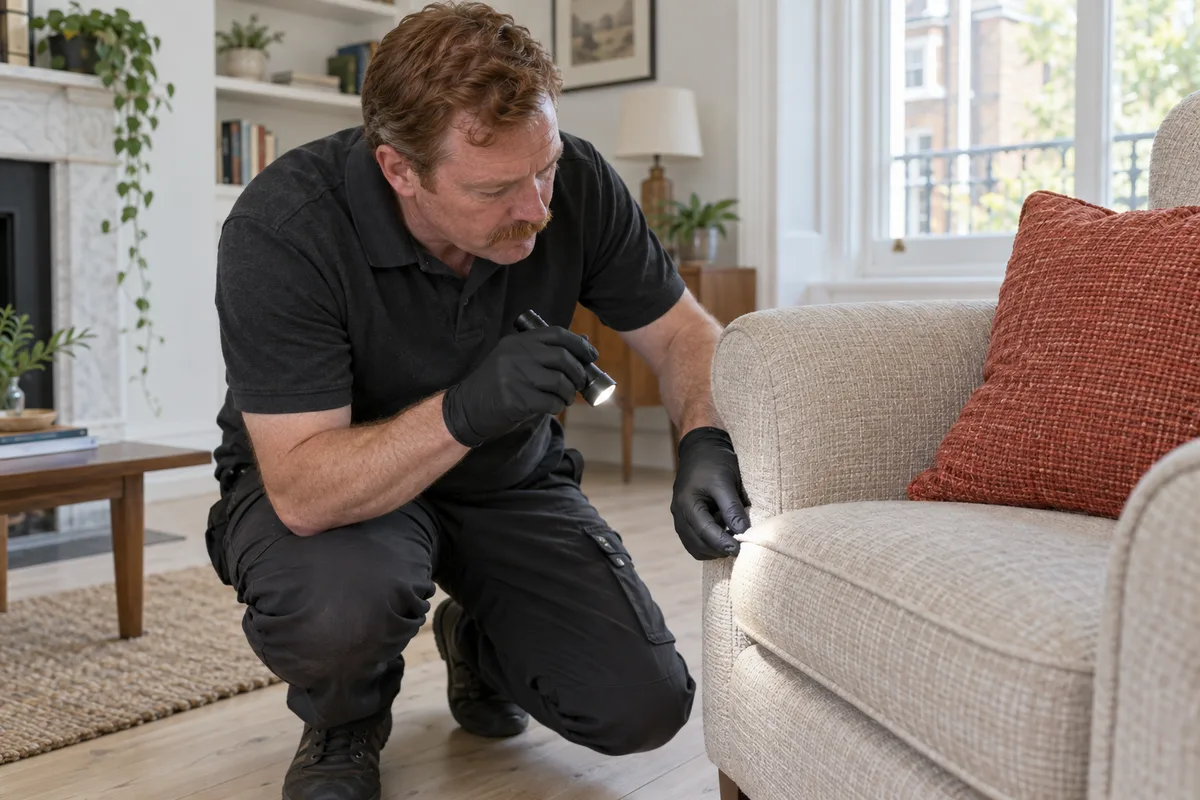
A room that is rarely used still needs a clear history ↓
A room that is rarely used still needs a clear history
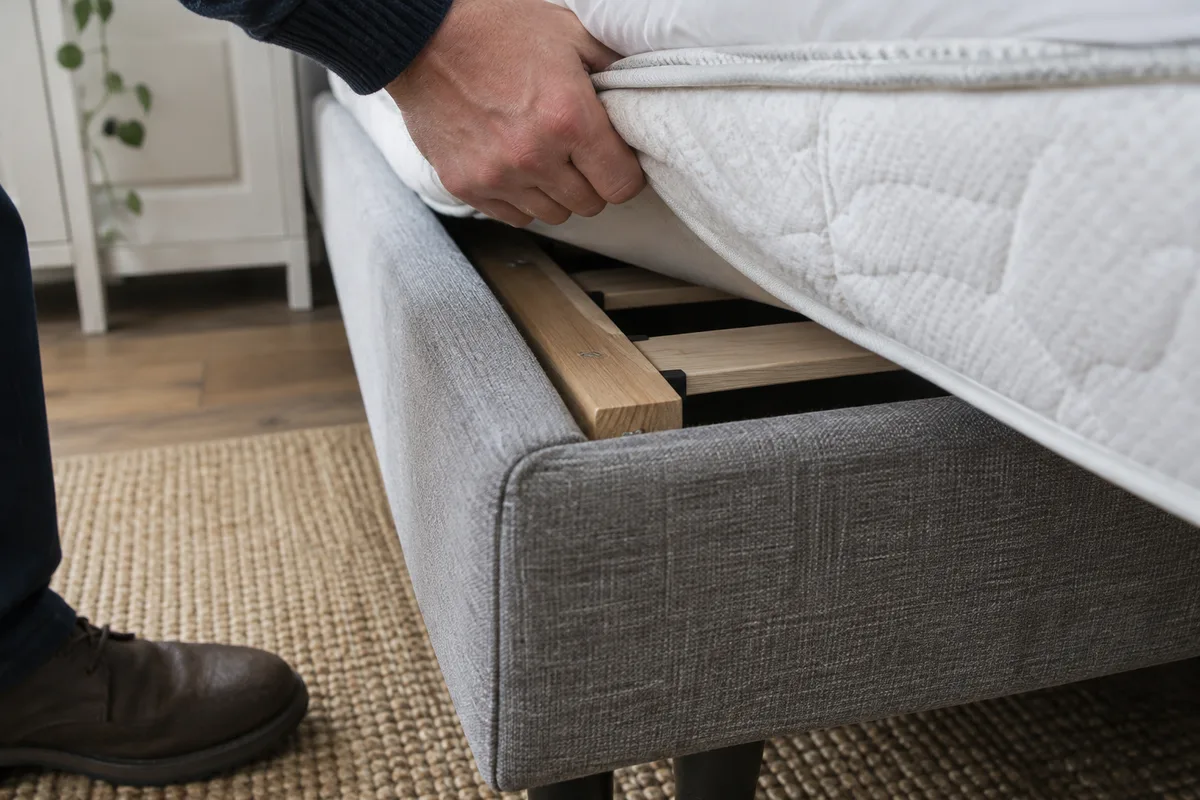
Tell the provider when the room was last slept in and when the first sign was noticed. Explain whether stored bags or furniture have recently been moved, without assuming that a particular visitor introduced anything. Dates help an inspection understand the sequence; they do not assign blame. Take photographs of visible insects or marks in context, including their position on the bed or furniture. Do not rely on a description of bites alone.
Finchley covers several locally named centres, and Barnet publishes information on Finchley Church End and Finchley Central. For a booking, provide the full postcode and property entrance rather than expecting the neighbourhood label to identify your home. A spare room in one property may be reached very differently from a bedroom in a managed flat. Explain stairs, shared entrances and any restrictions on access when you enquire.
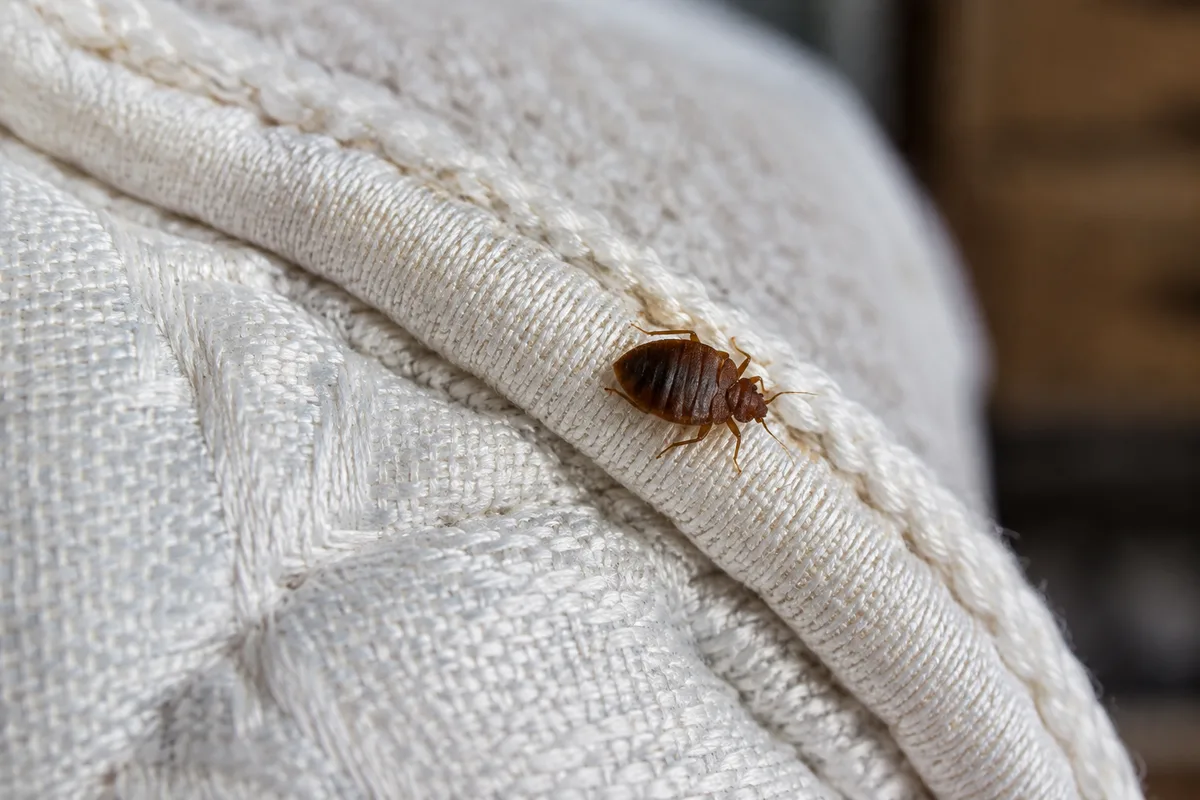
Identification comes before a disposal decision
Finding an unfamiliar insect can prompt people to throw away the mattress immediately. Ask for assessment first. The insect may not be a bed bug, and removing furniture without containment or advice can complicate the situation. Our guide to bedroom inspection and bed bug evidence explains why the visible finding, hiding places and room history should be considered together. Keep a specimen only if it can be retained safely and according to advice.
If there is a separate rodent sign in stored food or a cupboard, report it separately. The mouse assessment information is relevant to that concern; it does not make a bedroom insect part of the same problem. Distinguishing the observations avoids preparing a room for the wrong treatment. Describe what you found rather than choosing a service solely from an online photograph.
Stored belongings change the preparation questions
List the categories of items kept in the room: clothing, books, suitcases, electrical equipment or boxes. The provider can explain which require handling instructions for the agreed method. Do not transfer them into an unaffected bedroom just to clear the floor. Ask whether bags should be used, which items need laundering and how cleaned items should be kept separate. Any temperature instruction needs to suit the item and the actual programme.
A visitor arriving soon is worth mentioning, but do not promise that the room will be available by a particular date before the method and aftercare are confirmed. If the property is rented, establish who approves the service and whether the landlord needs the inspection findings. The occupant still needs preparation information directly, rather than receiving it only through an invoice sent to the owner.
Plan for guests without promising a room is ready
Tell the provider about an expected guest or planned room use so preparation can be discussed realistically. Do not set a guaranteed return-to-use date yourself before the method and instructions are known. A change in who sleeps where may also need advice; moving potentially affected belongings to another bed is not a neutral storage decision.
Keep visitor arrangements separate from blame. Ask guests only for relevant factual information if it helps the room history, and do not circulate claims that somebody brought a pest into the home. The assessment should be based on physical evidence. If another person will prepare the room, give them the actual instructions rather than an abbreviated laundry list. This helps preserve containment, item-specific handling and access around the bed, while keeping the practical purpose clear: establish the concern and carry out a manageable plan before normal room use resumes.
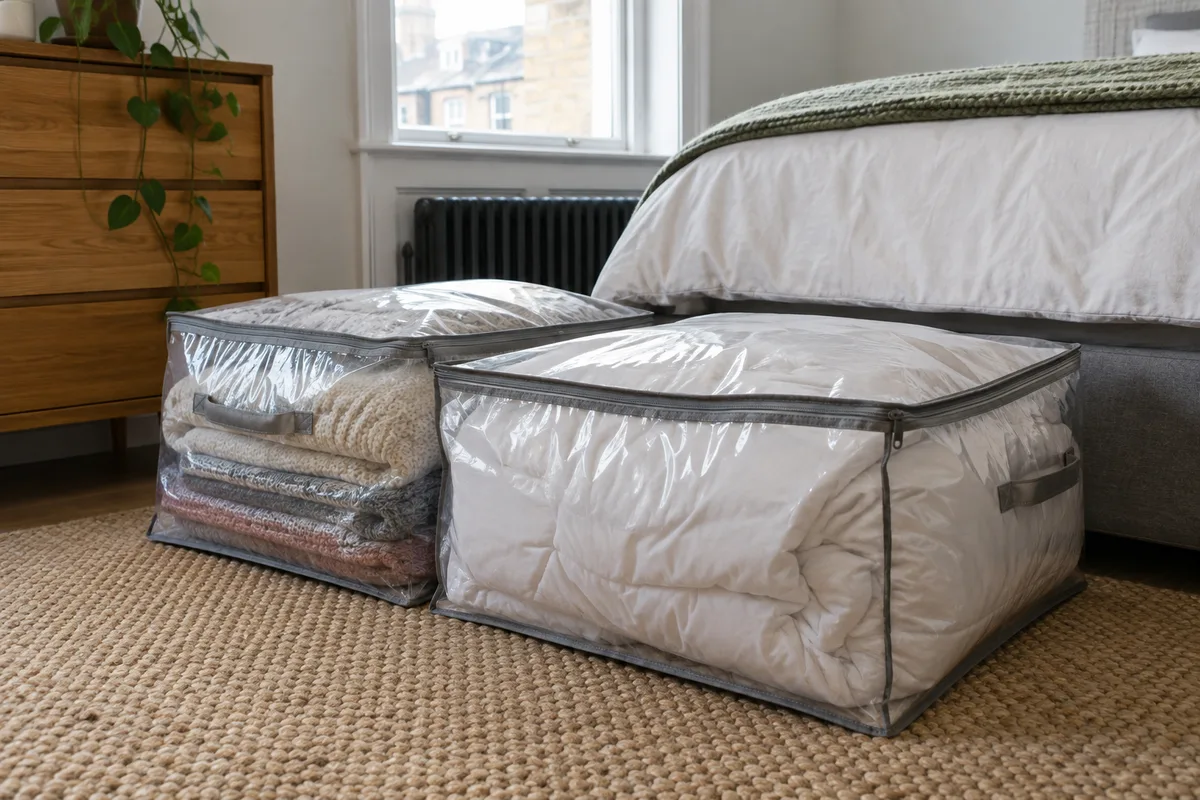
Compare heat and other methods on their requirements
Our heat treatment information describes questions to ask about equipment, preparation and room suitability. Heat is not a method to improvise using household heaters. A recommendation should follow assessment, and the provider should explain which items need attention before work and how the agreed space will be managed. Ask about access, electricity arrangements and limitations relevant to the specific property.
Other treatment methods have their own preparation and aftercare. Compare what the quote includes, which rooms are covered and what review is proposed. A programme for one room is not automatically a programme for every room in the home. Ask what happens if evidence is found elsewhere during inspection. You need a decision point and a clear explanation, rather than discovering afterwards that extra work was assumed.
Return the spare room to use deliberately
Follow instructions on cleaning, room use and monitoring after treatment. Avoid repeatedly moving the bed or changing where people sleep without discussing it with the provider. Keep a dated record of physical signs and the exact location. Skin reactions alone are not a dependable measure of whether the identified problem has been resolved, so ask what evidence the provider wants reported and when a review should occur.
Once the room is ready for normal use, maintain enough access around stored belongings for routine observation. Do not hide the original concern behind new furniture or a pile of unpacked boxes. Keep treatment documents and preparation instructions for future reference, particularly if someone else will host guests. Call with your Finchley postcode, the room history and any actual specimen or photographs to discuss an appointment. A focused inspection can establish what is present and what needs doing before you make expensive decisions about furniture or belongings.
Questions about pest control in Finchley
Can bites confirm bed bugs in the spare room?
No. Describe them alongside any physical evidence and ask for proper identification.
Should the mattress be discarded immediately?
Ask for assessment and handling advice before removal; unnecessary movement can complicate the problem.
Can guests use another bedroom meanwhile?
Discuss sleeping arrangements with the provider rather than moving potentially affected belongings between rooms.
Is heat suitable for everything stored in the room?
Preparation depends on the method and item. Ask for specific instructions; do not assume all possessions can remain unchanged.
What if the room is full of boxes?
Explain the contents and ask what access and containment are needed before clearing it.