
Pest Control Chelsea
Keep, treat or remove is a decision about assessed furniture and the surrounding room. Disposal should follow identification and handling advice, not replace them.
Establish what the evidence supports
Compare practical handling and treatment options
Plan any removal with the provider and collector
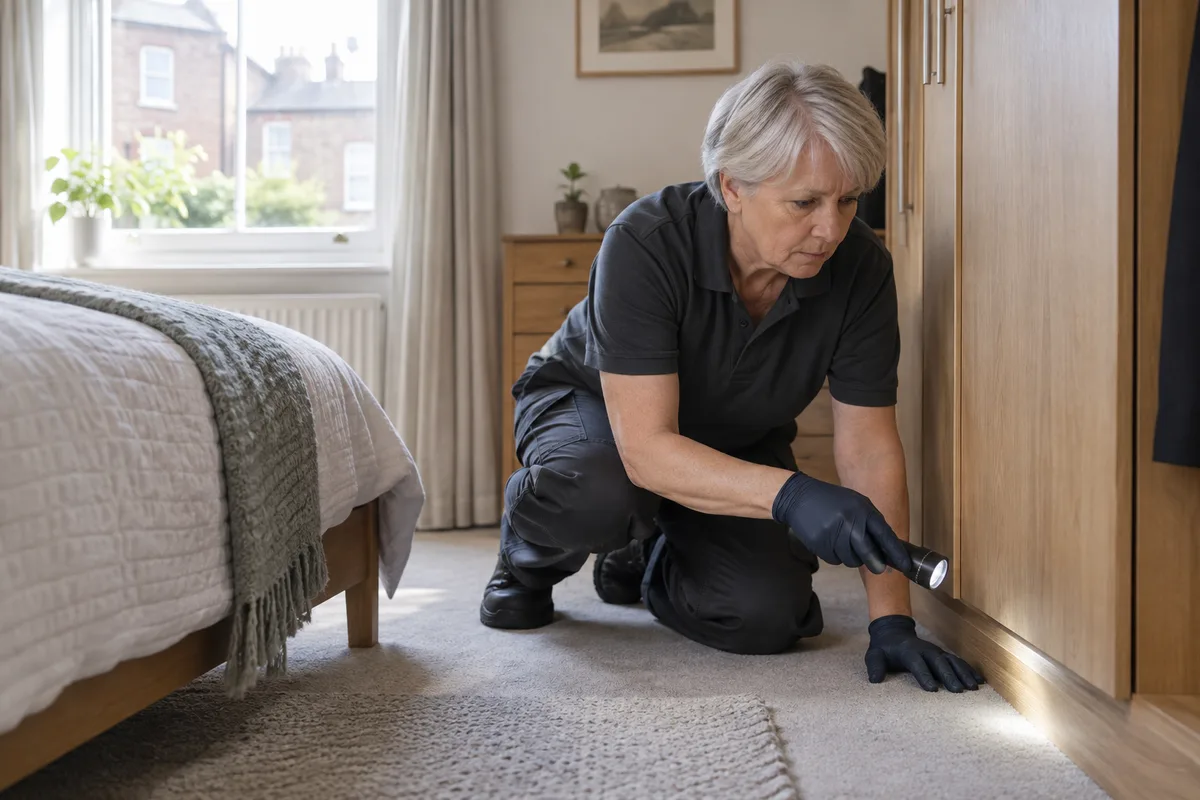
Identify the concern before choosing the furniture outcome ↓
Identify the concern before choosing the furniture outcome
Describe the physical sign, its position on or near the item and the date. An insect around a bed seam needs identification; skin marks alone cannot establish bed bugs. Photograph safely with enough context to show whether the finding was on a mattress, frame or nearby chair. The item may be relevant to inspection without being the confirmed origin or sole location of activity.
Our bed bug assessment information explains the room questions to raise. A Chelsea bedroom enquiry should include surrounding furniture and occupied spaces where relevant evidence has been reported. Do not begin by ordering replacement furniture. First understand what was found, which locations need assessment and whether any handling is appropriate before the appointment.
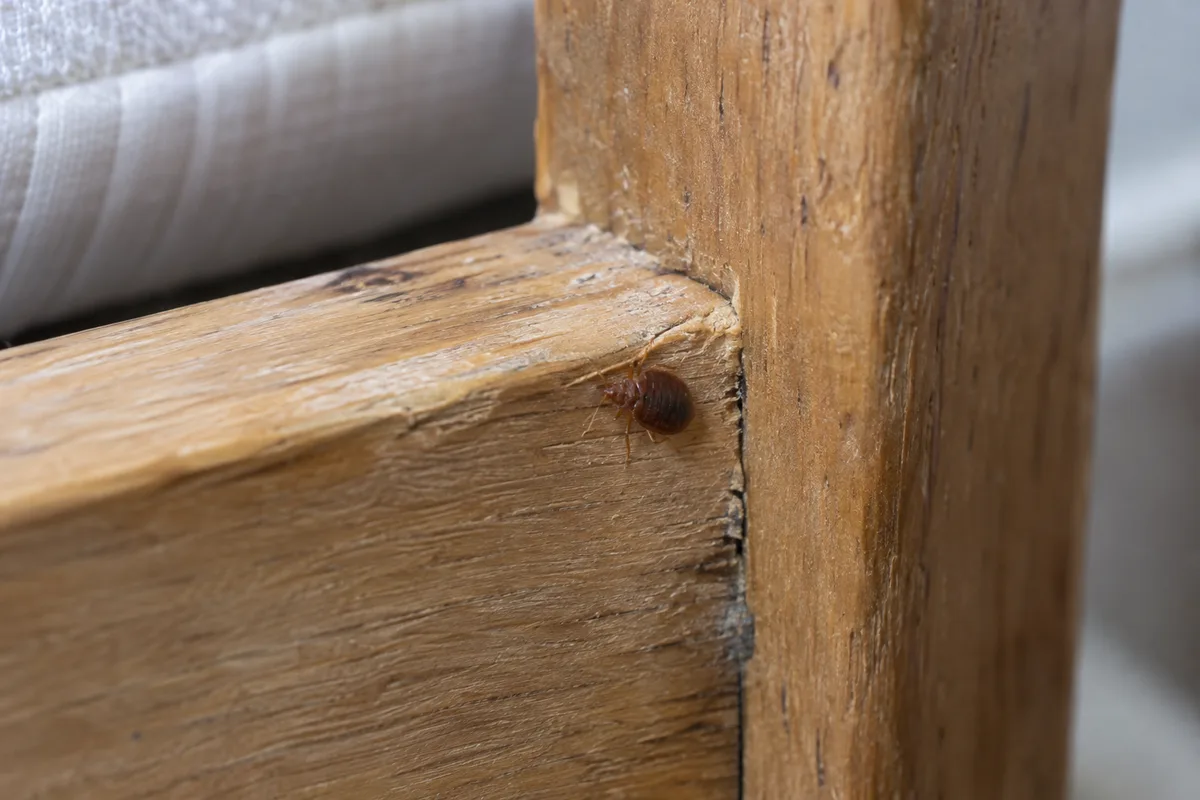
Keep: understand what assessment and preparation involve
Keeping an item can be a practical option, but ask what the proposed programme would require. Explain fixed fittings, heavy furniture and any part that cannot be accessed safely. A provider should clarify the treatment scope and preparation rather than assuming every seam or frame can be reached. If a requested task cannot be completed, discuss the constraint before the visit.
Keep the item in its recorded location until handling advice is clear. Moving it to another occupied room can complicate the assessment without settling the original concern. Tell the provider about any relocation already made, including where it passed through. The decision to retain furniture should be connected to an agreed programme and follow-up, not taken as proof that the item itself needs no attention.
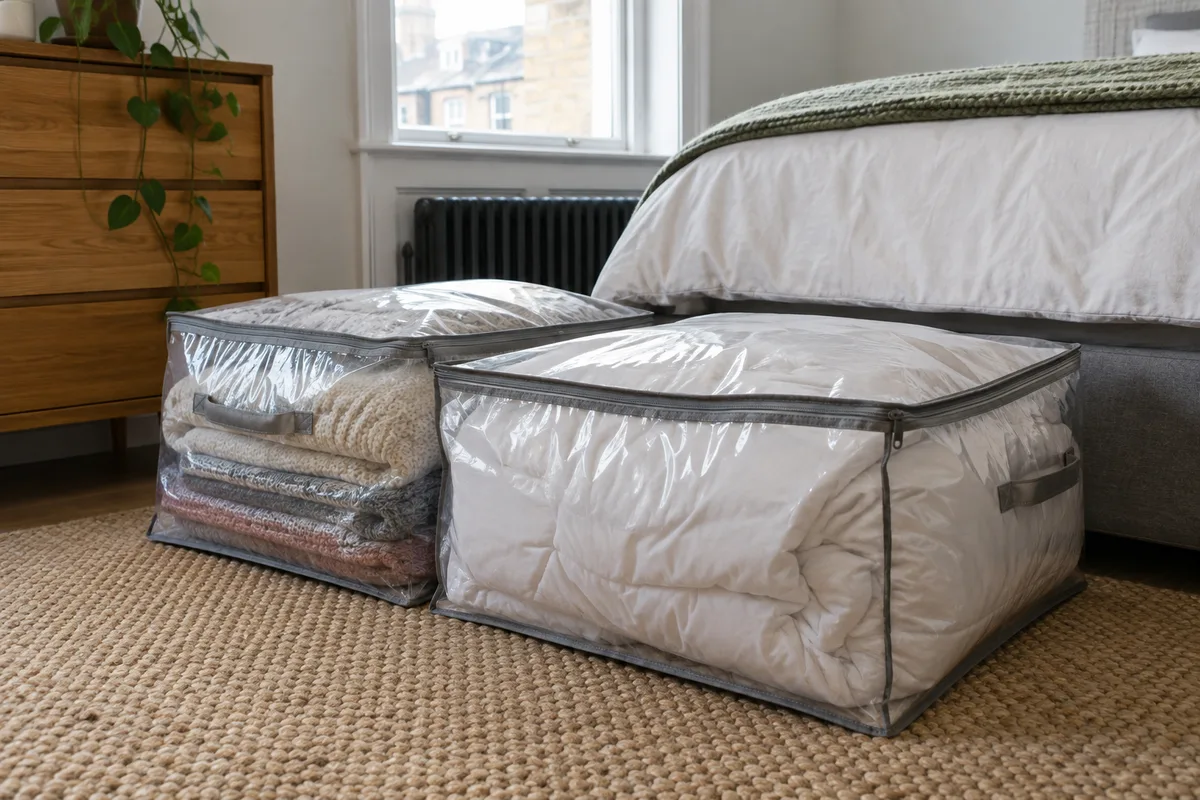
Treat: compare the method with the actual contents
The heat treatment planning guide discusses professional equipment, preparation and monitoring. Ask how the proposed method addresses the assessed rooms and what sensitive belongings need consideration. Domestic heating is not an equivalent procedure. A useful comparison focuses on practical requirements and findings rather than choosing the method with the shortest advertised visit description.
For a programme using treatment products, obtain the relevant precautions, locations and follow-up instructions. Explain pets and household circumstances affecting them directly to the provider. Do not combine preparation advice from different methods into one improvised checklist. The furniture decision should remain consistent with the actual programme, including what can stay, what needs handling and what remains outside the agreed scope.
Remove: ask what removal would and would not solve
Removing a bed or chair may be considered for practical reasons, but it does not assess the rest of the room. Ask the provider what findings remain relevant after removal and how any treatment or review would continue. Do not give away a suspected item or leave it in a shared corridor while deciding. Handling should be agreed before it passes through other occupied spaces.
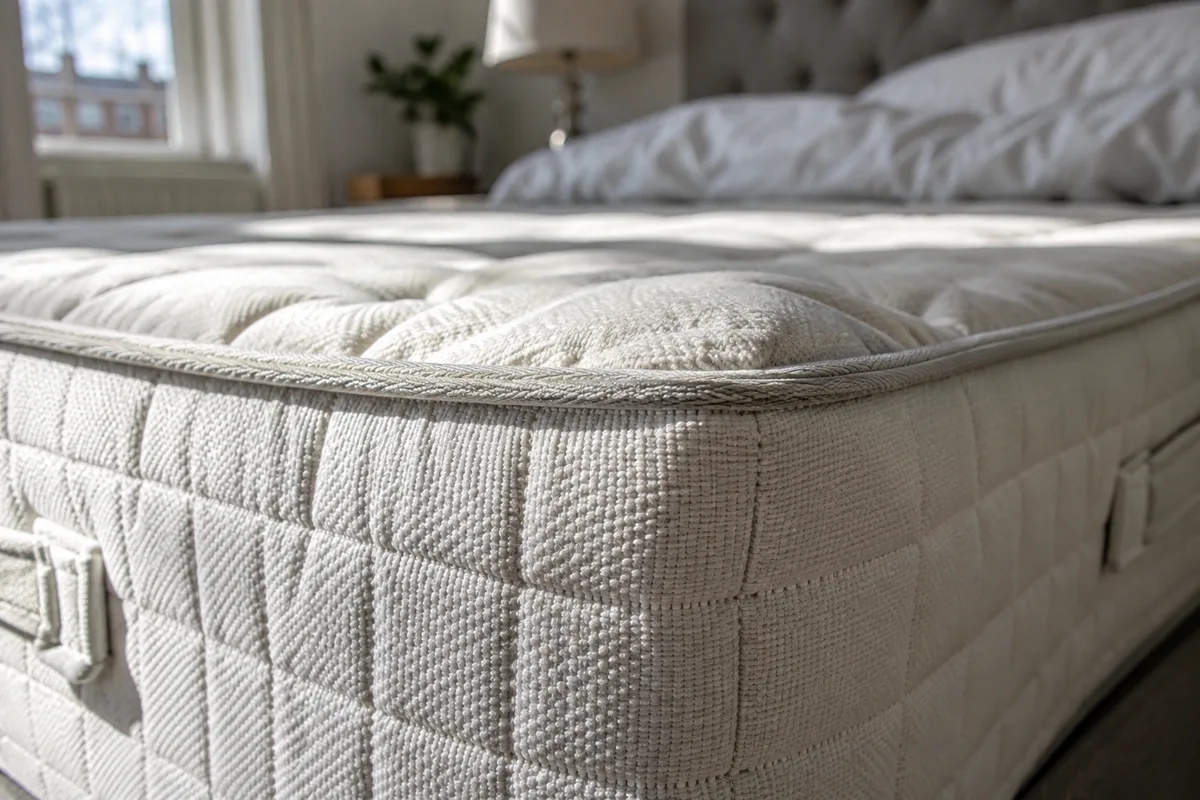
Establish who owns the furniture and can authorise disposal. A tenant should not assume an item supplied with the property can be discarded solely because inspection has been booked. Record the decision and any replacement timing. Bringing a new bed into a room before the agreed preparation or assessment is complete can create another practical question the provider needs to understand.
Plan collection as a separate handling task
The Royal Borough’s bulky-waste service publishes collection requirements. It states that crews generally do not enter the property or collect above ground-floor level, with a separate assessment route for particular assistance needs. Check the current arrangement and disclose the item circumstances before booking. Do not assume a collection crew will dismantle furniture or handle it from an upstairs bedroom.
Coordinate the collection-point requirement with the provider’s handling advice. A waste collection is not a pest programme and does not settle the room findings. Confirm who can move the item safely and how shared circulation will be kept clear. Avoid leaving furniture outdoors in advance simply because a collection has been requested; the timing and suitable preparation need a practical plan.
Replacement: preserve the assessment record
If furniture is replaced, keep its original location and the date of removal in the programme record. Tell the provider when the new item arrives and whether the room arrangement changes. A new mattress does not establish that nearby furniture or the room has been assessed. Ask what follow-up observations remain relevant under the agreed plan.
Keep unrelated concerns separate. A mouse sighting in the kitchen should use its own room record and mouse assessment advice, rather than becoming part of the furniture disposal decision. Where the enquiry includes both, confirm their distinct scopes and preparation. This prevents a dramatic bedroom action from obscuring a different household problem that still needs identification.
Choose the decision you can complete consistently
Before agreeing a furniture outcome, check the evidence, ownership, handling constraints and proposed programme together. Write down the selected action and who will carry it out. If access, assistance or collection remains unresolved, discuss that before the appointment. A plan that depends on an impossible move is not practical just because the treatment date is available.
For a Chelsea enquiry, bring the postcode, affected item and room findings to the conversation. Ask what assessment would support keeping, treating or removing the item. The useful result is a decision with clear preparation and a continuing room plan. It should leave you knowing what happens after the furniture choice, rather than assuming disposal alone has answered every question about the evidence.
Questions about pest control in Chelsea
Must suspected bedroom furniture be thrown away?
Not automatically. Identification, assessment and practical programme requirements should guide the decision.
Does removal alone resolve the room concern?
No. Ask what findings, preparation or follow-up remain relevant.
Can a tenant dispose of supplied furniture?
Clarify ownership and authorisation before arranging removal.
Will the council crew collect from an upstairs bedroom?
The published service generally excludes that; check current requirements and any assistance assessment before booking.
When should replacement timing be discussed?
Before it changes the programme or room access, so the provider can account for the new arrangement.