
Pest Control Rotherhithe
A finding on a balcony or external building edge should stay linked to that location. Describe any separate indoor evidence and let the assessment establish whether there is a connection.
State whether the finding is inside or outside
Leave façade and service access to professionals
Arrange shared-area consent before inspection
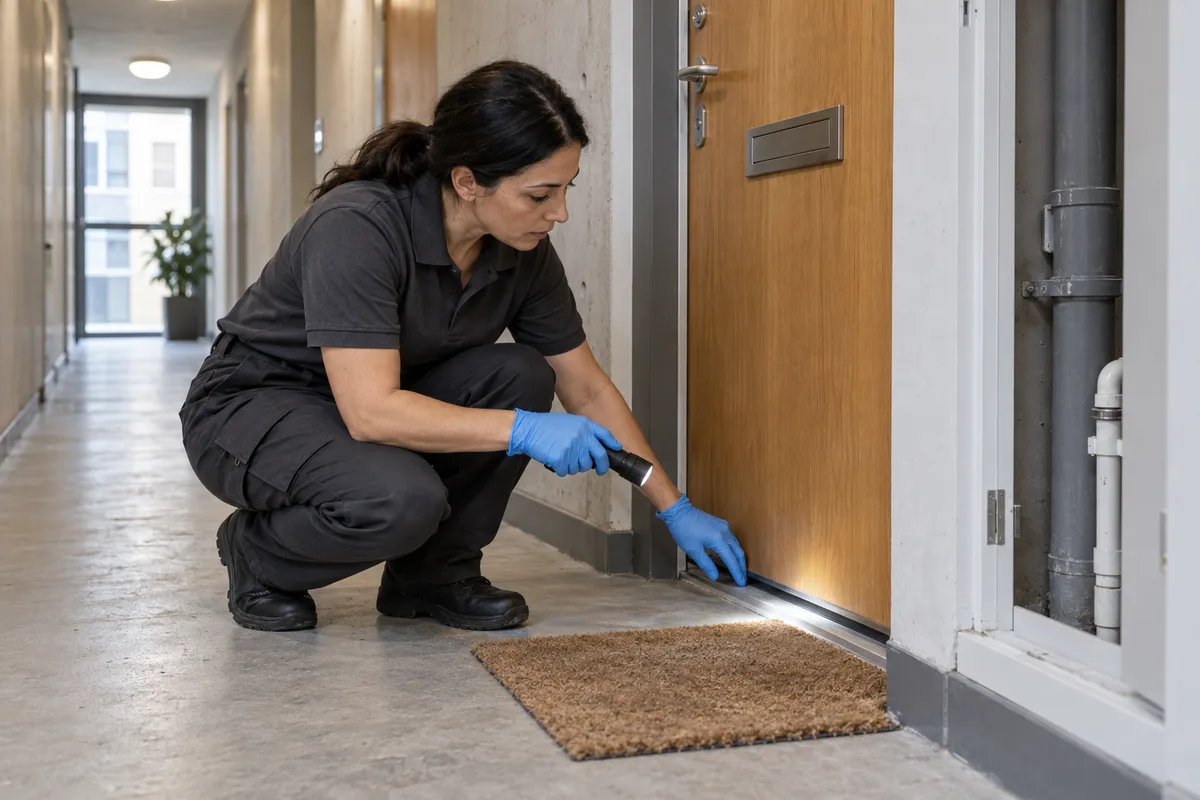
A balcony finding is not a whole-building diagnosis
Note what you saw, when it appeared and where it was positioned relative to the balcony door, stored items or building edge. A photograph taken from a normal safe position can help. Do not climb over a barrier, lean out to examine a façade or follow an animal along an inaccessible ledge. Tell the provider whether the finding was a direct sighting, damaged packaging or suspect material, keeping these observations separate.
Record any indoor evidence independently, with the room and date. A concern outside a window does not by itself establish activity in every flat or identify the route to your home. Equally, an opening beside the door deserves appropriate assessment if there are relevant findings. The purpose of the enquiry is to establish what is happening at the accessible premises, not to infer a building-wide problem from a single external observation.
Know the boundary of the space you can authorise
A balcony used privately may sit beside façade features or services controlled by the building manager. Explain the arrangement before booking checks or repairs. Identify who can authorise communal areas, waste facilities and service cupboards. Do not promise that the provider can reach another occupier’s balcony or external equipment without consent and appropriate safe access. Those limitations should shape the proposed scope.
Southwark Council lists Edward III’s Rotherhithe as a conservation area and provides area mapping. That does not establish the status of every nearby building. Check your property’s actual responsibilities and relevant approvals when a repair proposal makes them important. A pest assessment should explain observed features, while the responsible contact arranges suitable permission and professional work to shared or protected fabric.
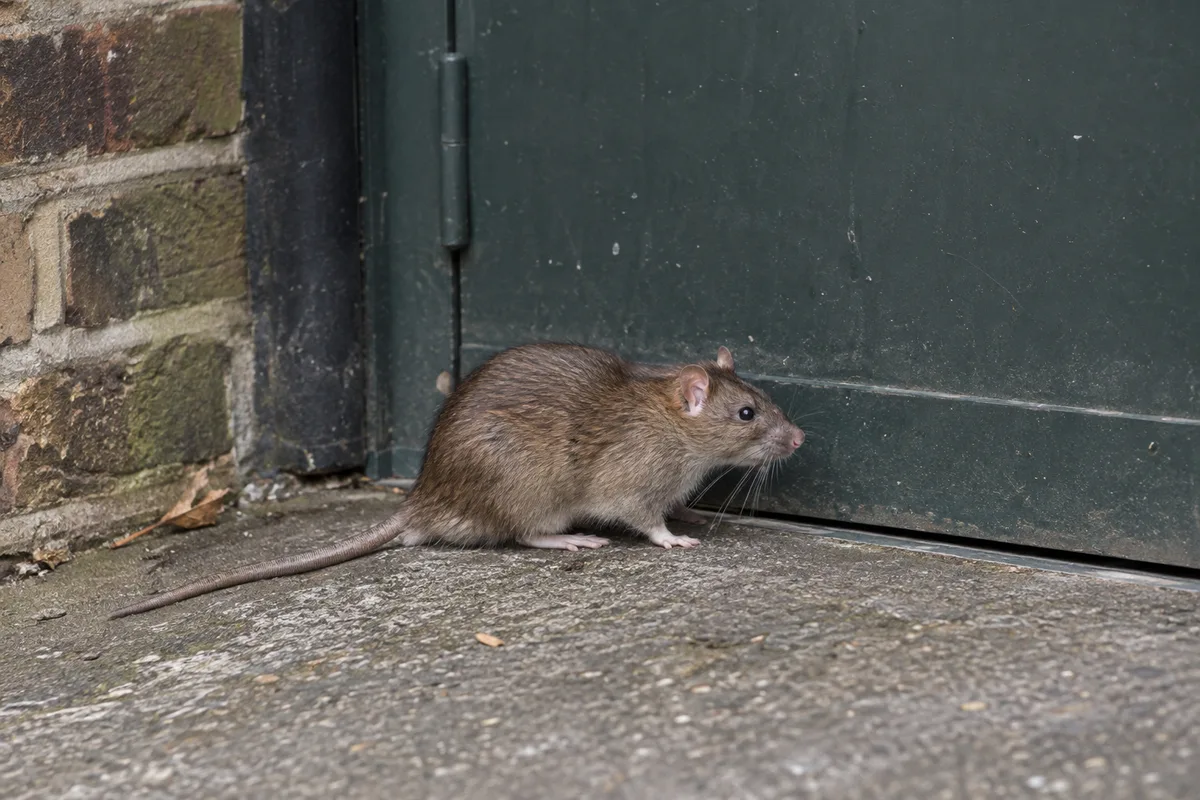
Keep identification and route questions separate
For a suspected rat, our rat inspection and route-assessment guide helps distinguish sightings from evidence of entry. Explain whether a food source, waste store or accessible opening was involved without assuming it caused the observation. A view from a balcony does not prove a drainage problem. Ask what evidence supports any proposed further investigation and what that work is intended to answer.
If the indoor concern involves a smaller rodent or kitchen findings, the mouse control assessment information addresses different questions. Tell the provider about prior products, traps or monitoring, including their positions and dates. Do not add treatment on an external ledge or shared path while waiting for assessment, particularly where other people or animals may use the space.
Prepare safe access, not access at any cost
Ask which areas need clear space and what should remain in place for the visit. Move ordinary belongings only where it is safe and appropriate; do not disturb fixed fittings, service connections or heavy external equipment. If the doorway cannot close fully because of stored items, mention that and discuss the relevant preparation. Keep the balcony and entrance usable without transferring unexamined contents to a neighbour’s home.
Give the provider building entry arrangements and any contractor restrictions. Confirm who will meet them and whether the manager needs to attend for shared-area access. If a requested space is unavailable, ask for that limitation to be recorded rather than assume the rest of the visit will answer every route question. Describe children, pets and household routines when discussing method-specific precautions.
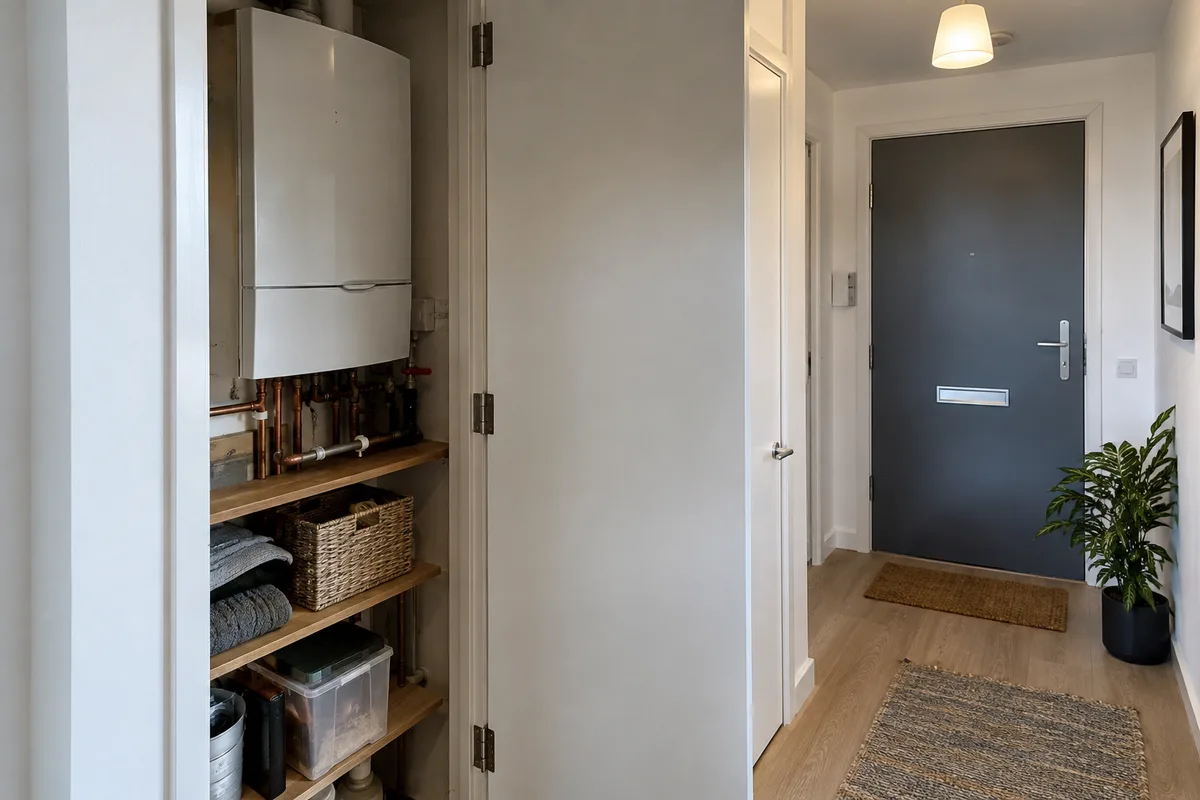
Repair the feature that the assessment identifies
An external door seal, pipe penetration and ventilation feature serve different functions. Ask which defect is linked to the findings and which remains a possible route requiring investigation. Do not fill an opening that provides required airflow or interfere with a service to make the façade look sealed. A recommendation should state the location and purpose so the appropriate property professional can choose a suitable repair.
The property proofing guidance explains how maintenance supports prevention without replacing identification or treatment where needed. Keep repairs under the correct authority, particularly at communal boundaries. Record what was completed and when. A repaired balcony threshold should not be treated as proof that all external and concealed routes in the building have been assessed.
Use current observations for the next decision
For urgent pest control in Rotherhithe, give the postcode and say whether the concern is outdoors, indoors or both. Describe current direct evidence and the access you can arrange. Confirm the next available appointment and its scope. Ask for suitable advice about suspect material and immediate precautions while waiting, rather than handling a finding to improve identification yourself.
After assessment, keep dates and locations of fresh observations, distinguishing them from old signs awaiting cleaning. Tell the provider about altered storage, a completed door repair or changes to shared-area access before review. Ask which observations should prompt earlier contact and what will be checked next. This keeps the programme tied to the actual premises and evidence, rather than a continuing assumption that every sighting beyond the balcony belongs to the same indoor problem.

Questions about pest control in Rotherhithe
Does a balcony sighting establish indoor activity?
No. Record separate indoor findings so the provider can assess whether evidence connects them.
Can I inspect the façade from over the balcony barrier?
Do not lean out or climb barriers. Describe the concern from a safe position and leave specialist access to appropriate professionals.
Who approves a repair beside a shared façade service?
Discuss the feature with the building manager or responsible owner before commissioning alterations.
Does a sighting above ground rule out or prove a drain route?
Neither. Its location alone cannot establish the entry route; proposed investigation needs supporting evidence.
Should exterior treatment be placed on a shared path?
Do not add products without discussing the finding, responsibilities and appropriate precautions with the provider.