
Pest Control Twickenham
A sound above the ceiling does not identify an animal. Choose the next step from what is actually known: noise alone, physical signs, a visible animal or an access problem.
Describe the observation before naming its cause
Match the next enquiry to the available evidence
State unsafe or restricted access at the start
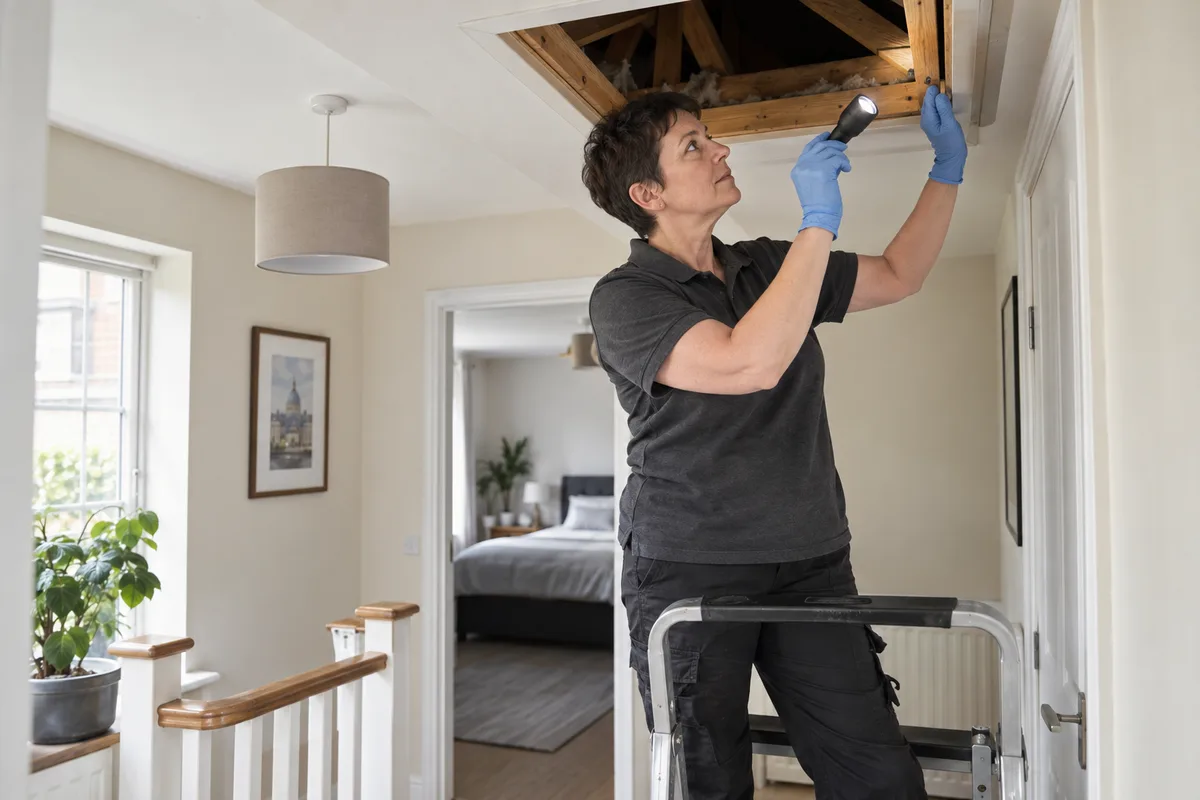
Noise alone: improve the observation before the conclusion ↓
Noise alone: improve the observation before the conclusion
When the only evidence is a sound, record the room below it, time, duration and pattern. Describe what you heard without labelling it a rodent. Note whether it occurs during particular household activity or appears to move between positions. A recording can preserve the report, but it cannot inspect a concealed space or reliably identify every cause. The useful question is what assessment could distinguish the possibilities.
Explain the loft arrangement in your Twickenham property: an occupied converted room, storage space or inaccessible void. This determines what can be assessed safely. Do not buy treatment for an assumed animal solely because a recording resembles another person’s video. Discuss the observations and access with the provider so the next action has a clear purpose.
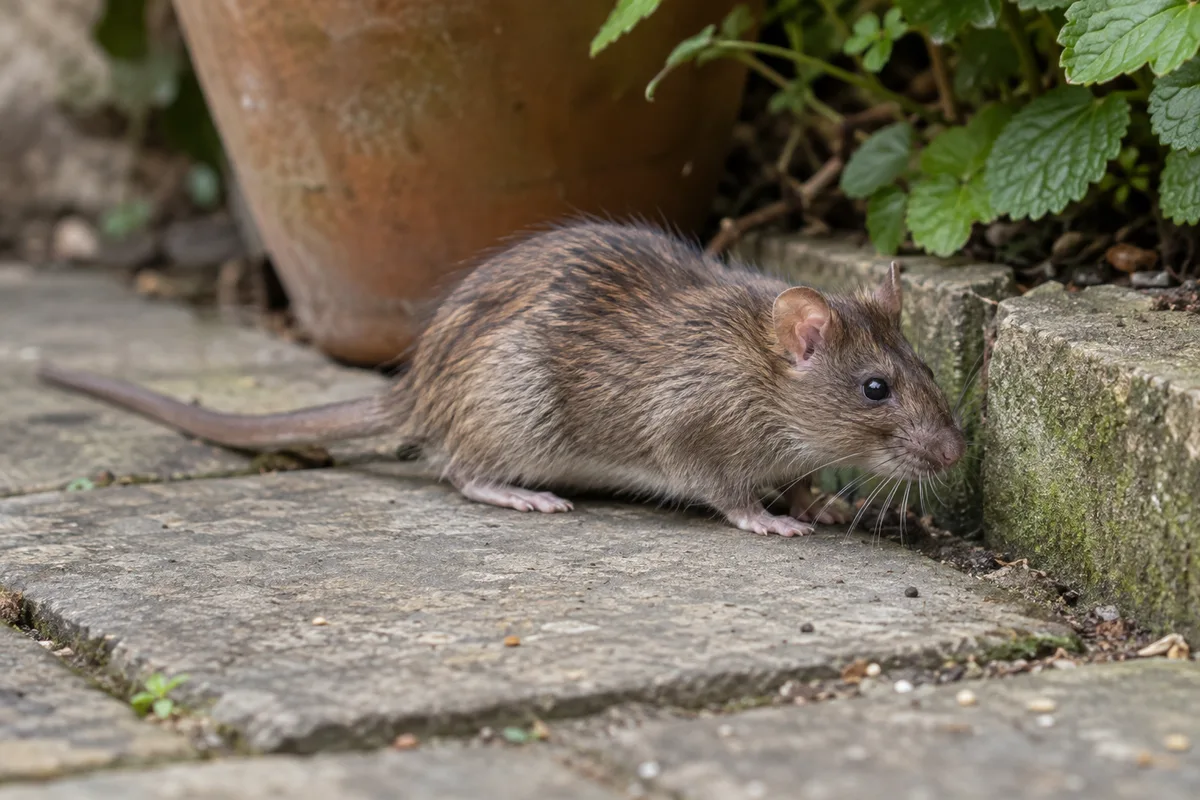
Physical signs: make identification the first question
If a sign is already visible from a safe place, record its position and date. Do not climb onto unboarded areas, disturb insulation or handle suspect material to improve the description. A safely obtained photograph can help, particularly when it shows the surrounding feature as well as the detail. Explain whether the observation is recent or its age is unknown.
The mouse inspection information and rat assessment guide describe different enquiries. Neither turns uncertain material into a confirmed species. Ask what findings would support treatment and what would require another identification or access step. A noise report combined with a physical sign is more informative than noise alone, but the significance still needs assessment.
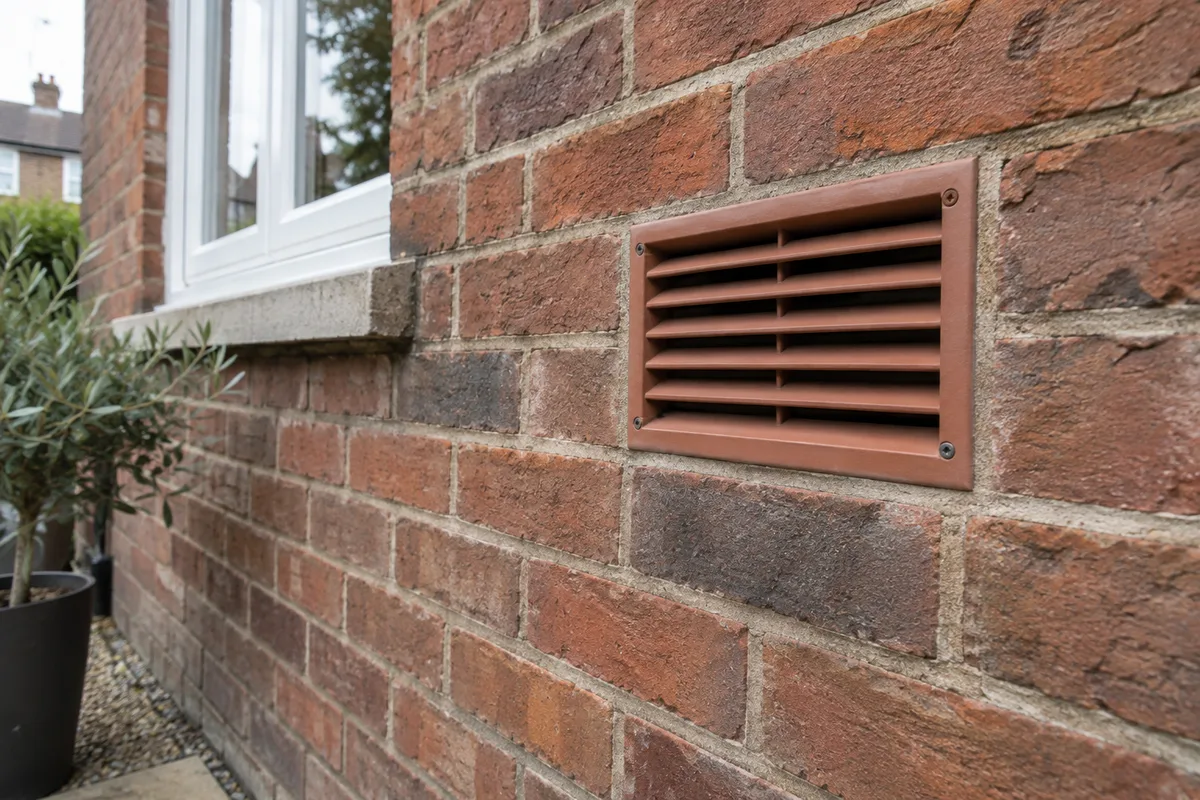
A visible animal: describe what you saw accurately
If you saw an animal entering a roof point or moving in an accessible space, record the position, appearance and time without approaching it. A safe photograph may help distinguish the enquiry. Describe the animal separately from earlier sounds; you may suspect a connection, but seeing it once does not explain every noise. Do not reach into a space or attempt handling because it appears small or inactive.
Where the visible evidence suggests wildlife rather than the pest programme being discussed, ask whether the provider handles that enquiry or whether appropriate specialist help is needed. Do not assume every animal associated with a roof should receive rodent treatment. Identification determines the relevant next conversation; the property owner’s access and maintenance responsibilities remain another part of planning it.
Unsafe access: solve the access question first
State the hatch position, available access equipment and known limitations. An awkward hatch over stairs or a loft with no safe boarding should not be presented as ready for entry. Do not create an improvised ladder arrangement or ask someone to explore around unfamiliar wiring. The provider can explain what assessment is possible and whether competent access support is required.
If access cannot be provided, ask what limited observations can still be assessed and have the boundary recorded. The next task might be obtaining authorisation or arranging a competent maintenance person, rather than choosing a treatment. Keep that task specific. Rebooking another visit to the same inaccessible point does not answer the original question unless something meaningful has changed.
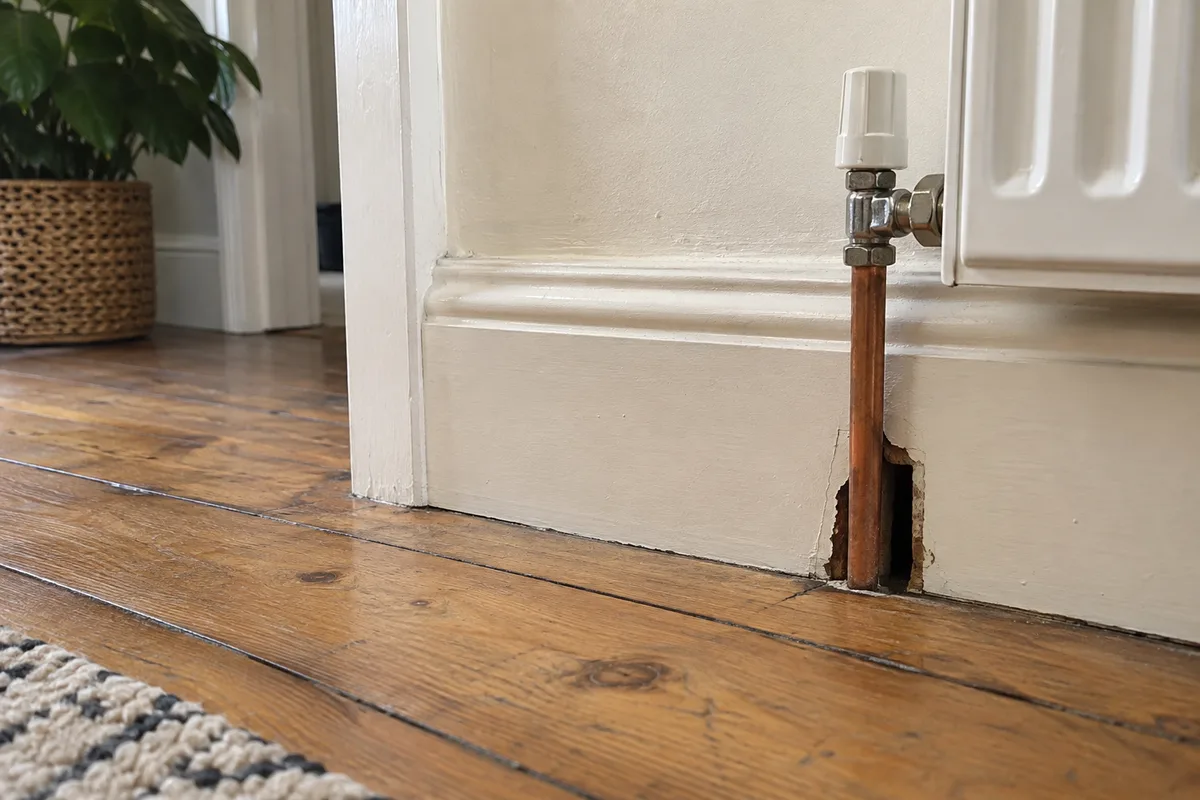
A visible building defect: commission the right question
A roofline opening seen from ground level may warrant competent maintenance assessment. It does not prove the route or species responsible for sounds. Ask how the defect will be inspected safely and what the proposed work would preserve. The proofing planning guide explains why ventilation and other building functions need consideration before material is chosen.
Richmond’s Twickenham planning guidance identifies different character areas and named conservation areas. If exterior alteration is proposed, have the owner check the actual address and change. The maintenance question should remain grounded in the assessed defect, not treated as a general permission to close every opening near the reported sound.
New information: change the enquiry rather than repeat it
Keep noise notes, visible findings and access developments in separate dated entries. If maintenance exposes another location, tell the provider what can now be seen. If a physical sign appears in an occupied room, give it its own location. The next assessment may need a different scope from the original noise enquiry. Do not assume every new observation confirms the first guess.
Ask what an agreed return would establish and what access it depends on. A treatment review, inspection of a newly available point and assessment of a visible animal are not interchangeable appointments. Confirm the purpose before arranging attendance so the visit can produce useful information instead of replaying the same uncertainty.
Choose an enquiry you can explain in one sentence
Before calling, state the decision you need help with: identifying visible evidence, assessing unexplained sounds or planning access to a reported location. Add the Twickenham postcode, room arrangement and known restrictions. If there is an immediate concern, explain it clearly alongside the facts. The provider can then discuss an appropriate scope and actual appointment availability.
After the conversation, you should know why that next step was selected and what finding would change it. Silence for several nights may be relevant to a review, but it does not identify the original cause. A practical decision path keeps observations accurate, access safe and any treatment tied to assessed evidence rather than to the most alarming explanation of a noise.
Questions about pest control in Twickenham
What if I only have a recording?
Explain its room, time and pattern; discuss what assessment could clarify the cause without assuming species.
Should I search an unboarded loft?
No. Describe safe observations and arrange suitable access through competent people where needed.
What if the animal appears to be wildlife?
Ask whether the enquiry needs an appropriate specialist rather than assuming rodent treatment fits.
Does a roof gap prove the cause of the sounds?
No. Its condition and significance need competent assessment.
When does another visit make sense?
When it has a defined question and the evidence or access needed to address it.