
Pest Control Isleworth
Where an extension meets an older room, pipes, cabinetry and floor levels can complicate access. Describe the junction without assuming the newest building work caused the pest concern.
Show the room junction in a wider photograph
Mention relevant work dates without assigning blame
Arrange access to fixed-unit edges safely
Plan the enquiry
Explain how the kitchen connects to the earlier building
Use building history as context
Do not expose the junction through unsafe dismantling
Keep exterior features functioning
Explain how the kitchen connects to the earlier building
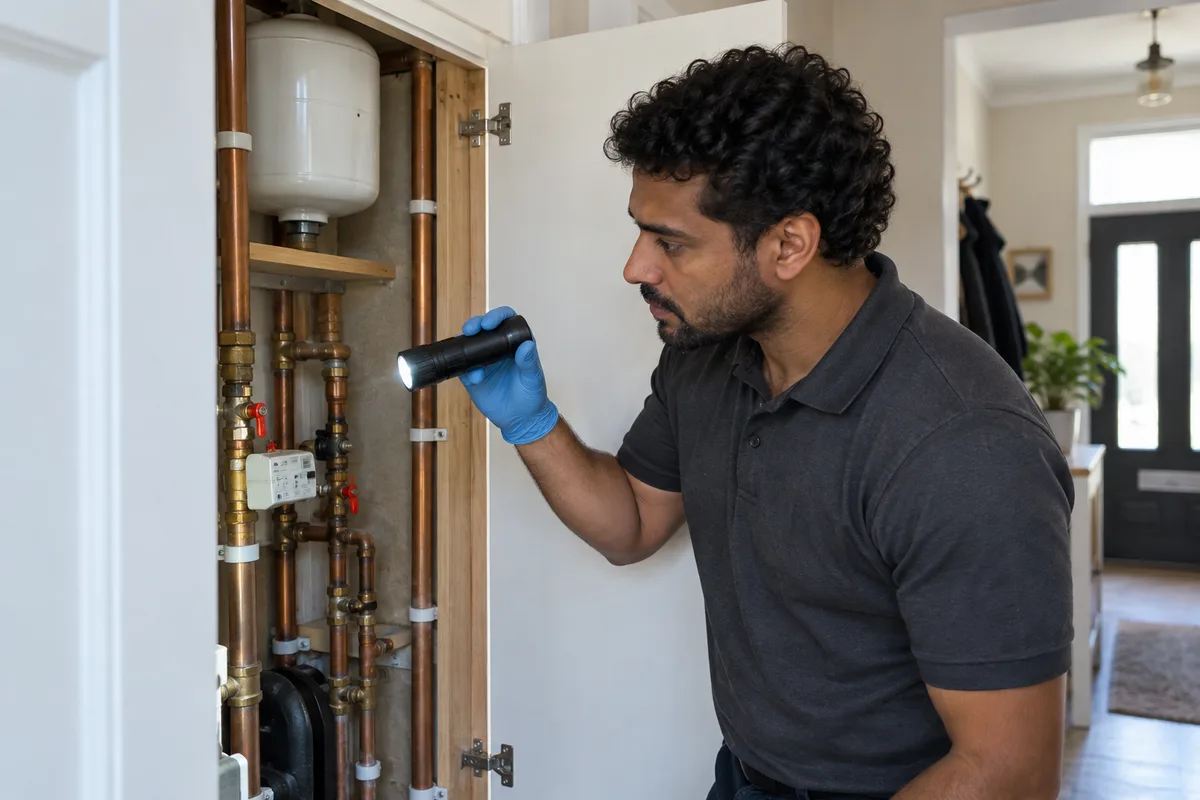
Give the provider a plain description of the room: where the extension begins, which units cross the junction and whether service pipes or a step occur there. A wider photograph can make the layout clearer than a close-up of a crack. Record the actual sighting or fresh sign separately. The visible interface is an inspection point, not proof that it explains activity inside.
For an Isleworth home, describe the relevant entrance and access to the extended room. Avoid assuming the area name tells the provider what type of construction is present. If drawings or recent maintenance photographs are available, offer the relevant details without expecting them to identify a pest route. The appointment still needs current evidence and a safe assessment of accessible locations.
Use building history as context
Record when kitchen work, pipe installation or other relevant changes occurred. Explain whether a panel was removed or an opening became visible afterwards. A later pest observation does not establish that the work introduced the problem. Keeping dates accurate allows the provider to consider the sequence without relying on an accusation or an assumed connection.
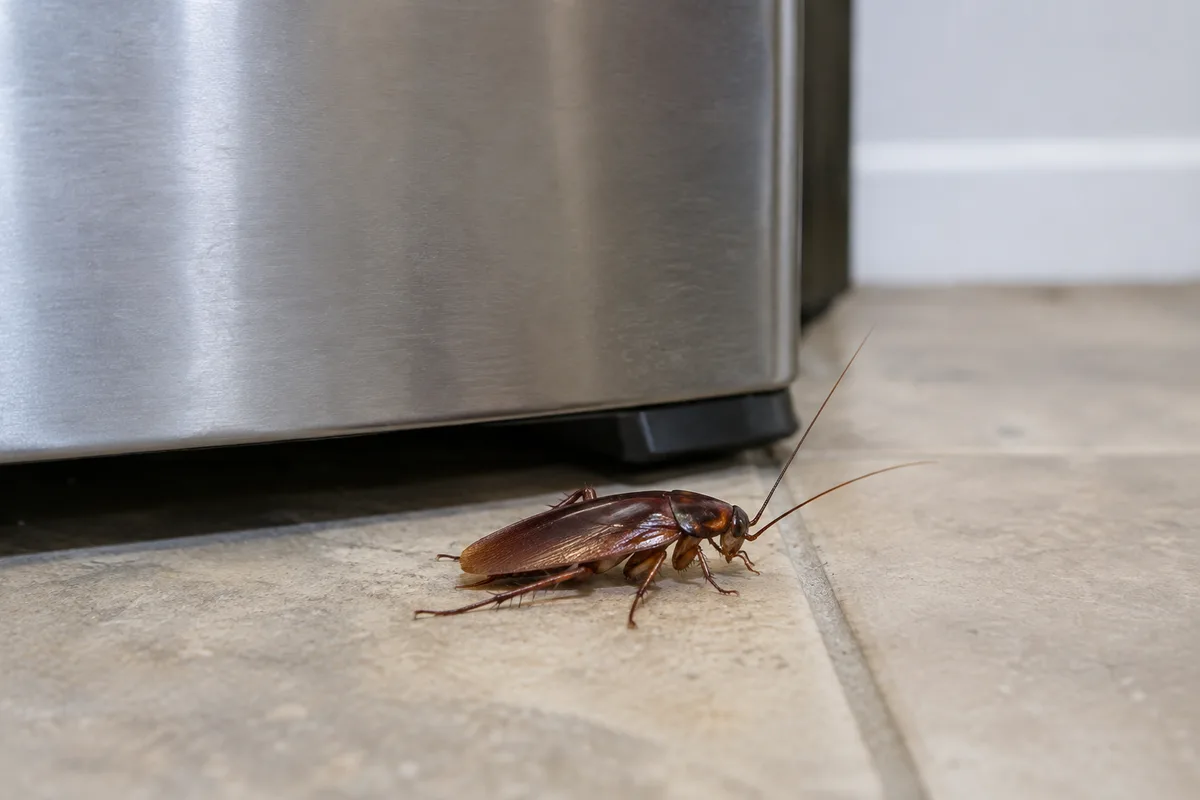
Our mouse inspection information describes questions about current activity, room evidence and possible routes. If the signs involve insects beside equipment, use the cockroach assessment guide as a separate enquiry. The construction junction might be relevant to one concern, both or neither. Identification and findings should determine that, not the fact that the building work was memorable.
Do not expose the junction through unsafe dismantling
Tell the provider which cupboard edges are accessible and which are behind integrated equipment. Do not pull out a dishwasher, disconnect plumbing or remove a structural panel yourself to obtain a photograph. Arrange a competent maintenance contact where the agreed assessment needs additional access. Describe the available view and any limit honestly at booking.
Move ordinary loose storage only under the preparation plan and where safe. Keep suspect material away from children and pets while requesting appropriate cleaning advice. A technician can document an inaccessible location without ruling it out. Ask what the next step should be if the first visit cannot reach the relevant interface, rather than asking for a definite route explanation based on the visible room alone.
If the property has photographs from before cabinetry was fitted, mention them. They may help explain the layout, but current inspection should still distinguish what can now be seen from a historic construction detail.
Keep exterior features functioning
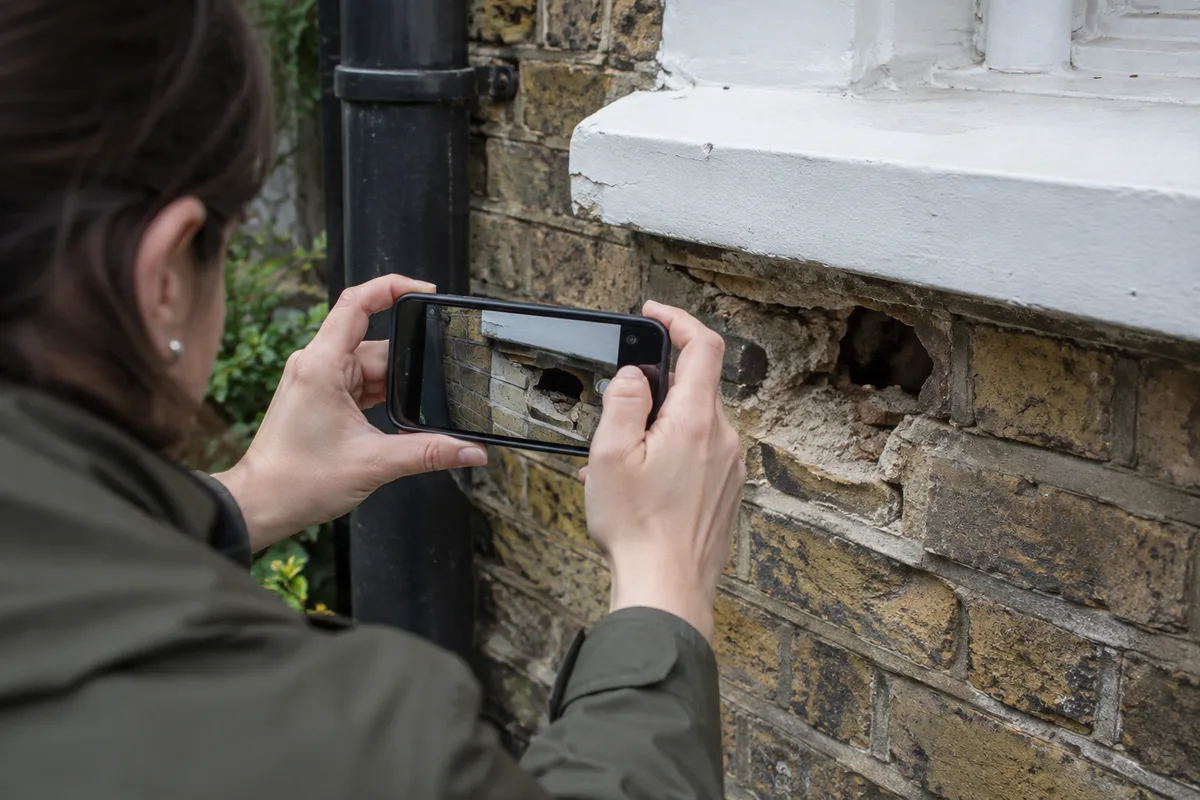
A junction visible indoors can lead to questions about exterior vents, drainage or service penetrations. Photograph accessible features from a safe position and let competent people assess their function. Our proofing planning advice explains why suitable materials and repair details matter. An indiscriminate patch can hide the point or interfere with a feature that needs to remain open or accessible.
Hounslow publishes an Isleworth Riverside conservation-area appraisal. If exterior alteration is proposed, the owner should check the property’s actual status and current requirements. The fact that an extension exists does not settle permission for a new change. Keep the pest finding and building decision related through a specific repair proposal rather than assuming treatment approval covers the alteration.
Agree a sequence for treatment and maintenance
Ask which findings support treatment now and which points need further investigation or repair. The provider should explain how those actions connect. A builder’s available date should not become the only reason to close a suspected opening. Where current activity is being addressed, discuss the timing and suitable scope so repair work does not obscure evidence before it has been assessed.
Keep contractor responsibilities clear. The pest provider’s report can identify a location and concern; the maintenance contractor may need to determine a safe construction detail. Store the approval, photographs and completion date together. If a panel is replaced, retain enough information for the provider to understand what changed during any agreed review.
Compare findings after the junction work
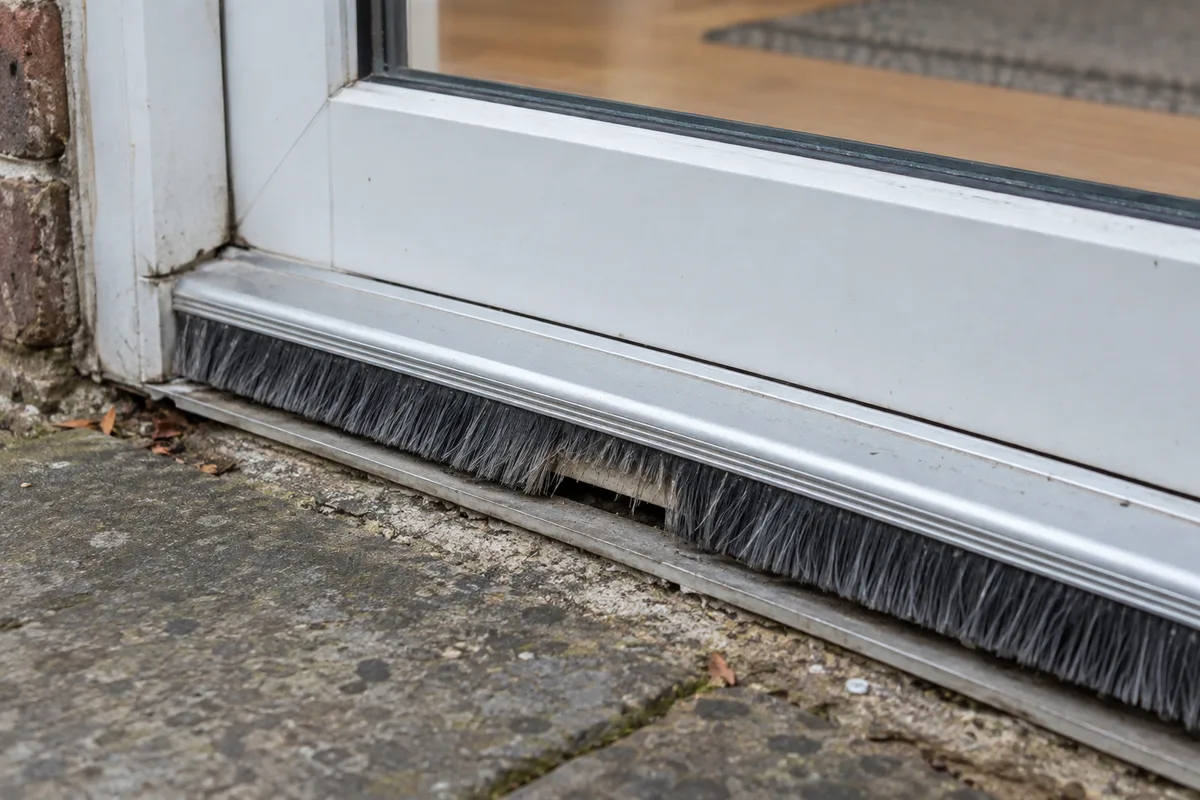
Log fresh signs by room location rather than simply writing that the extension still has pests. Include whether the finding is at the original point or elsewhere. Note changes to appliance positions and access. A follow-up can then evaluate a specific observation in the context of the completed work, rather than assuming the same route remains because a new sign appeared somewhere in the kitchen.
For an urgent Isleworth enquiry, supply the postcode, room evidence and access constraints. Explain relevant building work as context and confirm the appointment available for the agreed scope. A useful assessment leaves you with a clear distinction between an identified pest concern, an interface needing inspection and a repair requiring competent specification. That distinction makes both the treatment and building conversation more productive.
Questions about pest control in Isleworth
Does recent extension work prove where pests entered?
No. It is relevant history, but the route needs assessment alongside current evidence.
Can I remove a fixed kitchen panel before the visit?
Discuss access and use competent authorised help where required.
Should an exterior vent beside the extension be filled?
Do not block it indiscriminately; its function and suitable repair need consideration.
Is the builder responsible for pest treatment?
Clarify each contractor’s agreed role and the property’s authorisation arrangements.
What should be reported after repairs?
Dates, what changed and fresh signs located relative to the original findings.