
Pest Control Brentford
A service route can connect parts of a building without being fully accessible from one flat. A clear scope identifies what can be inspected now and who can arrange the remaining access.
Mark accessible and restricted service locations
Involve the manager responsible for shared spaces
Keep follow-up tied to the original findings
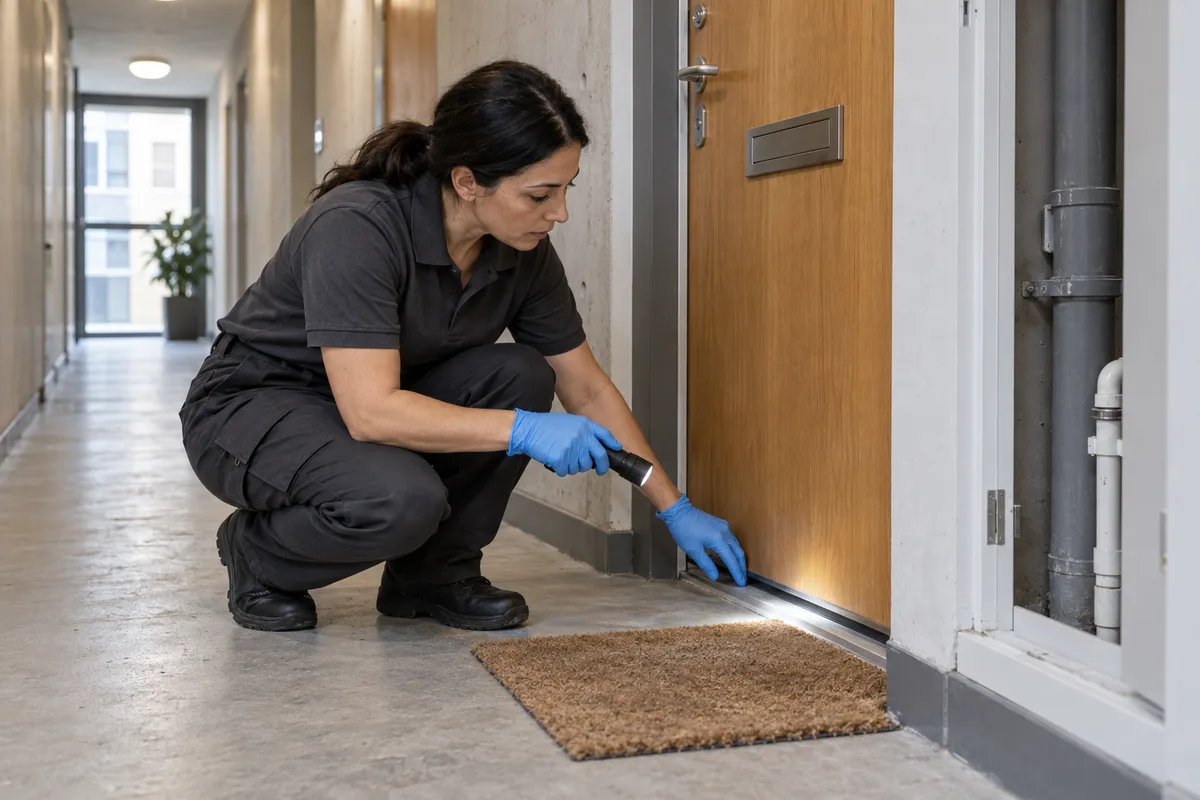
Distinguish a connection from a confirmed route
A pipe riser, cupboard or ceiling void may appear to continue beyond your home. Describe where it can be seen and where access ends. Do not assume it carries pests between flats without an assessment. Record the physical evidence in the occupied room first, including dates and photographs where safe. A building sketch can mark known connections as context while leaving unexamined sections clearly identified.
For a Brentford enquiry, explain the block entrance, floor and service-space manager. Connected premises can have different permissions within the same structure. The provider needs access information for the actual locations, not a general statement that the whole building shares pipework. This helps define an inspection that is useful without claiming to cover inaccessible spaces elsewhere.

Keep the flat evidence clear
Fresh signs beside kitchen storage, an animal sighting and sounds beyond a panel should remain separate observations. The mouse inspection guide explains why location and identification matter. A provider can assess what those signs suggest and decide which accessible points deserve attention. Do not choose the species solely because a neighbour previously had a similar complaint.
If activity has been reported outdoors, the rat assessment advice helps frame that additional enquiry. Record its position relative to the building rather than using it as proof of an indoor route. Shared reports can be helpful when dates and locations are preserved; they become confusing when every resident’s observation is merged into a single confirmed problem.
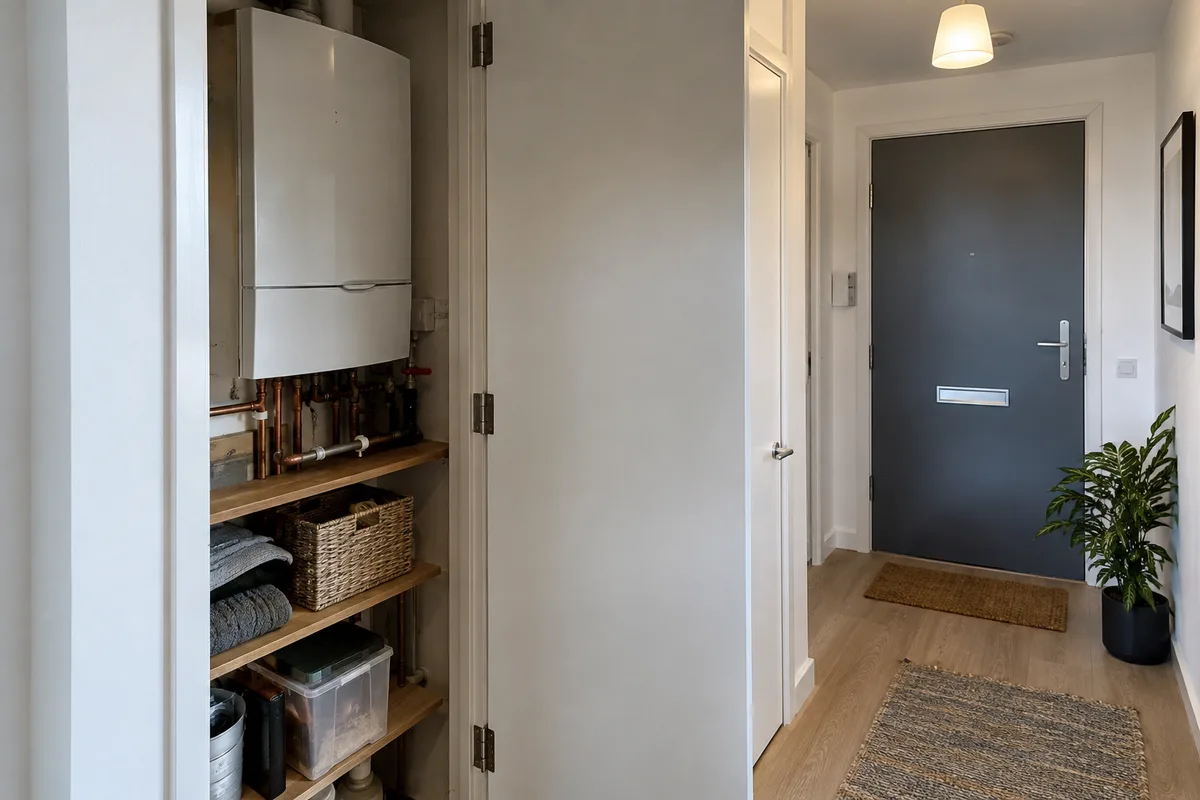
Arrange shared access through the responsible contact
Ask the manager who controls service cupboards and whether a competent contractor must accompany inspection. Do not open another occupier’s cupboard or remove restricted covers to save appointment time. The booking should identify which keys, permissions and escorts are available. If access cannot be arranged, agree what the provider can still assess and how the remaining question will be handled.
Keep residents informed of relevant appointment arrangements without circulating private details. One nominated contact can collate location reports and access requests. This does not authorise work inside every flat: each occupied space needs the appropriate agreement. A combined plan should specify participating locations rather than implying the entire block has been assessed because a technician entered its main door.
Make an incomplete inspection informative
Ask the provider to distinguish observed findings, possible routes and inaccessible locations in the report. A limit should come with a practical next question: another key, competent access, monitoring or a separate scope. The next visit then has a reason beyond repeating the same room inspection. Keep the initial photographs and room references available for that appointment.
Confirm whether further access changes the quotation or programme. A return included for treatment review may not be the same service as a broader building investigation. Clarify the distinction before residents assume all shared areas will be covered. The record should explain the available assessment honestly, while still providing a useful action for the person able to arrange the missing access.
Put the missing-access task against the responsible contact rather than against every resident. A named key or competent escort requirement is actionable; a general note that the building needs another visit leaves the same obstacle unresolved.
Plan repairs without closing the investigation prematurely
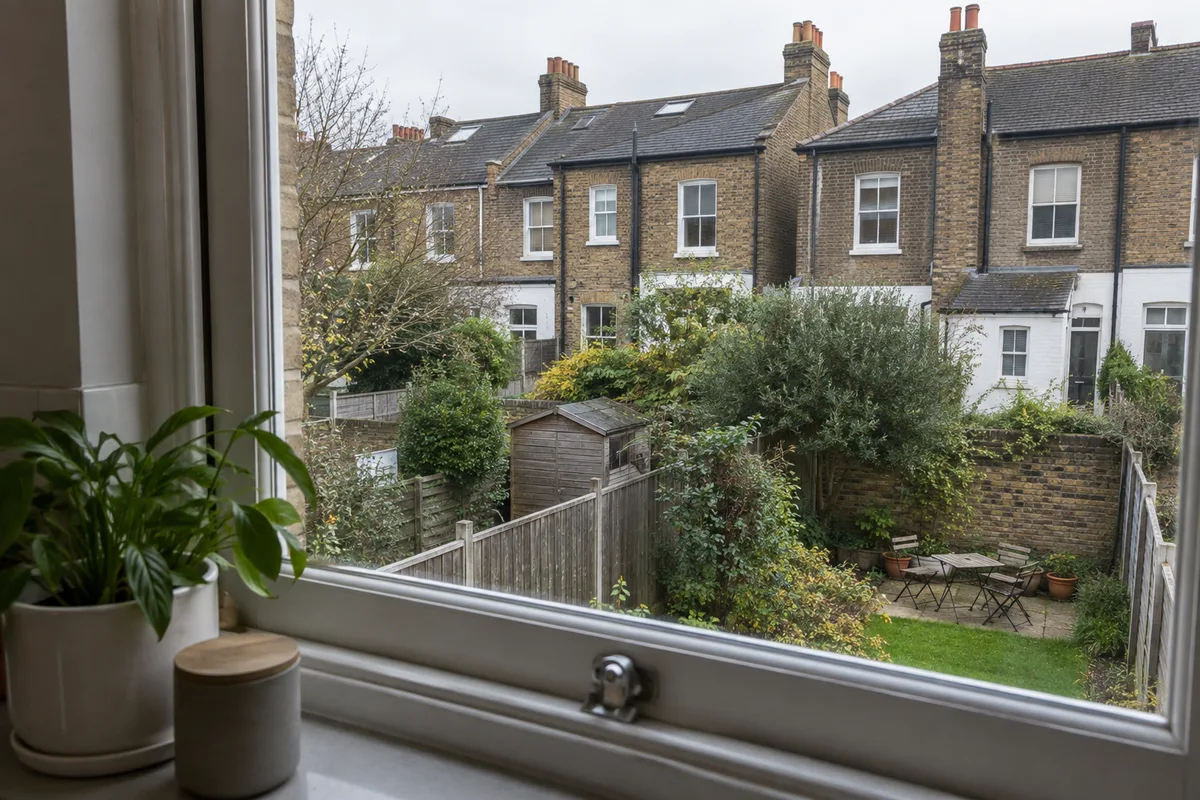
The proofing planning guide explains why a service opening needs a suitable specification. Any proposal should identify its location, function and relationship to the findings. Ventilation, service maintenance and fire-related features require competent consideration. Do not fill a riser opening simply because it is the only point visible from the flat.
Hounslow publishes conservation material for parts of Brentford, including St Paul’s and The Butts. Where exterior work is proposed, the owner should check the actual address and current requirements. Keep permission and contractor decisions with the repair record. A treatment recommendation can raise the building question without claiming authority to alter shared features or historically sensitive elements.
Use the return check to resolve a named question
Before follow-up, report completed repairs and any changes to cupboard or room access. Keep new observations dated and located. Ask what the visit is intended to establish: continuing activity in an inspected area, effectiveness of an agreed action or evidence in a newly accessible location. A clearly stated purpose helps the manager arrange the right access rather than sending the provider back to the same locked door.
For an urgent Brentford call, give the postcode, affected flat or space and the current evidence. State whether communal access is available now. Confirm what appointment can be arranged within that scope. A useful coordinated record lets another resident or manager see which findings belong to their space, what was examined and which shared question still needs a decision.
Questions about pest control in Brentford
Does shared pipework prove pests move between flats?
No. Describe the connection and let inspection evidence determine its significance.
Who can open a communal service cupboard?
Arrange authorised access through the responsible manager, with competent assistance where required.
Is a treatment return the same as a building survey?
Confirm the scope; a wider investigation may be a separate arrangement.
What should an inaccessible area report include?
The location, limitation and practical next step needed to assess it.
Can one resident approve repairs to shared features?
The appropriate owner or manager needs to clarify authorisation.