
Pest Control Richmond
An outdoor observation, an indoor finding and a defect on land you do not control call for different next decisions. Use the evidence and location to choose the right enquiry.
Define the question assessment could answer
Update the record when evidence changes
Report outside defects through the relevant contact
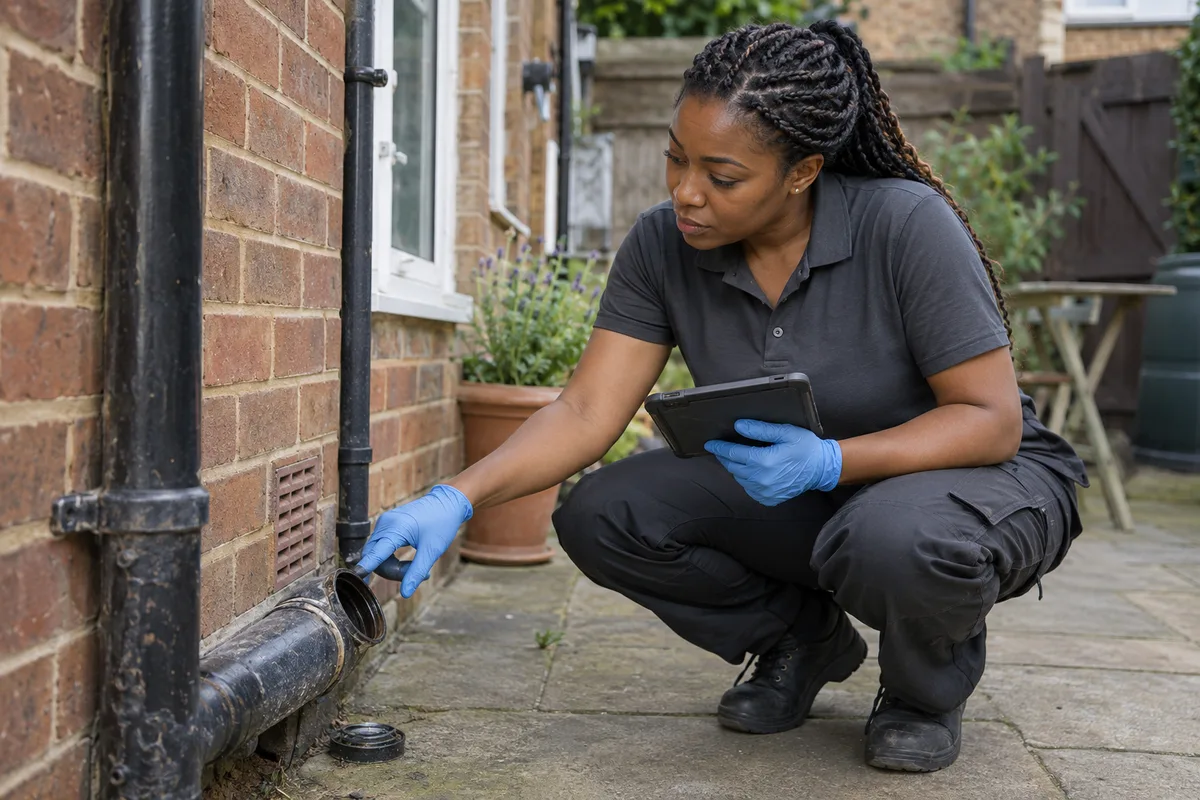
Give an outdoor observation its proper weight
Note where the animal was seen, the date and whether the incident repeated. A garden edge, shed entrance and spot beside a container are different inspection contexts. Describe the movement if you saw it, but do not estimate numbers from a single animal or diagnose a nest from an unexamined hole. Photograph the setting safely if it helps explain the enquiry. Do not handle suspect material or enter an unsafe area to obtain a better image.
Our rat assessment advice explains how location reports support an inspection. The provider needs to distinguish observations from conclusions. A Richmond enquiry should describe your actual property and garden access, not assume that nearby open space proves where the animal came from or that every outdoor sighting needs treatment throughout the home.
Check whether there is a separate indoor question
Record any safely visible indoor evidence with its room and date. A damaged packet, direct sighting and unexplained sound need different descriptions. If nothing has been found inside, say so rather than presenting the garden incident as indoor activity. The provider can explain whether assessment, monitoring or another action is appropriate to the available facts.
For a possible mouse concern in cupboards or living spaces, use the mouse inspection information. Keep it separate from the larger animal reported outside. A provider may find a connection, but it should not be assumed at booking. This distinction helps avoid purchasing the same treatment for two different enquiries when one involves outside observations and the other needs identification within an occupied room.
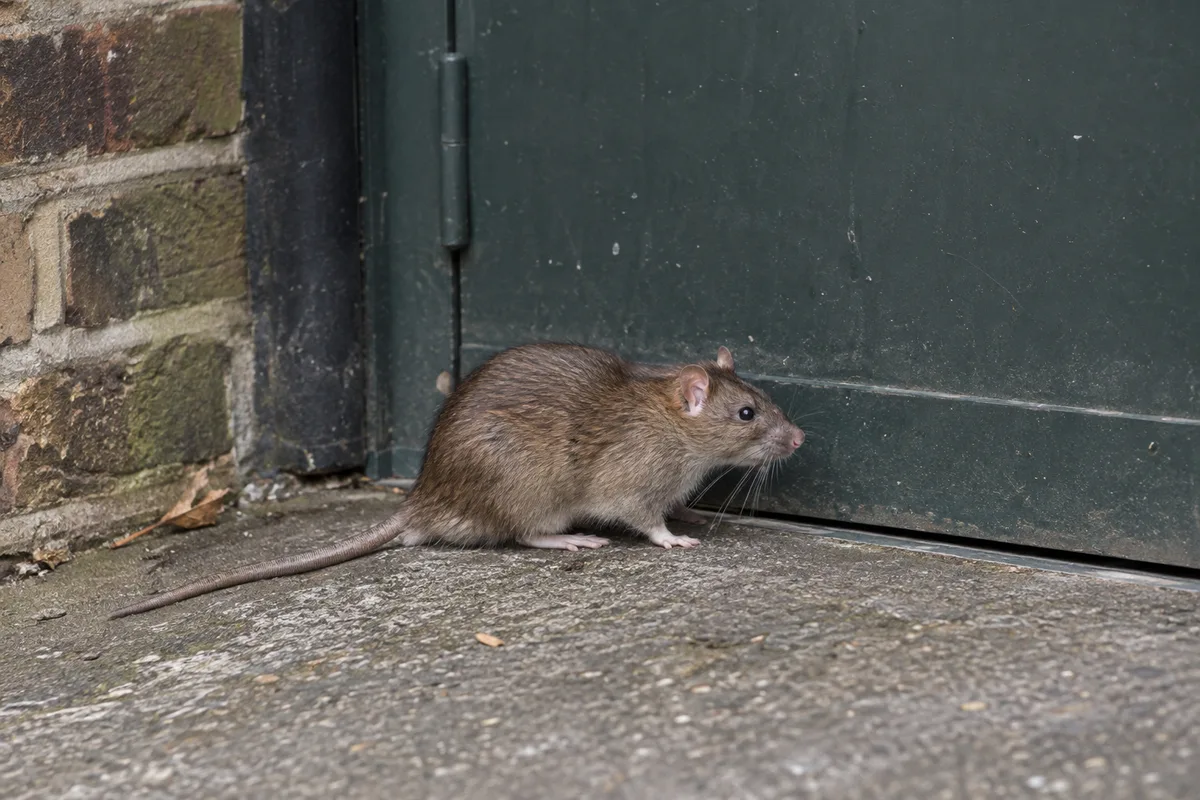
Choose between assessment and a dated observation record
An uncertain glimpse outside, with no safely visible sign indoors, leaves an identification question rather than a confirmed home infestation. Preserve the date and position and discuss whether an assessment would clarify it. Do not invent a waiting period that supposedly makes a sighting harmless. If another clear observation appears, update the enquiry with that new information rather than repeating the original guess.
Compare this with a direct indoor sighting or fresh signs at stored food. That evidence changes the question: the provider now has an occupied-room location to assess, not only an outdoor report. Likewise, repeated observations at one accessible garden point can support an enquiry about that location without establishing a population size. The decision should follow what has changed in the evidence. A dated record remains useful while arranging assessment; it is not a substitute for advice about a concern you cannot interpret.
Report the right defect when the location is outside your control
A damaged street bin beyond the property boundary is a different task from inspecting your kitchen. Richmond’s litter reporting page provides routes for a bin problem, littering and fly-tipping. Use the relevant category with the precise location and safely obtained photograph. Do not describe a bin-defect report as a booking to treat your home or as proof of the source of an indoor finding.
If the location is privately managed, contact its responsible manager instead of assuming the council route applies. Do not enter another owner’s land or place treatment there through your household booking. Keep any pest observation separately dated and located so the appropriate contact can understand the enquiry. A property assessment may still be useful if you have indoor evidence, but it should not silently extend into a public or privately managed space you cannot authorise.
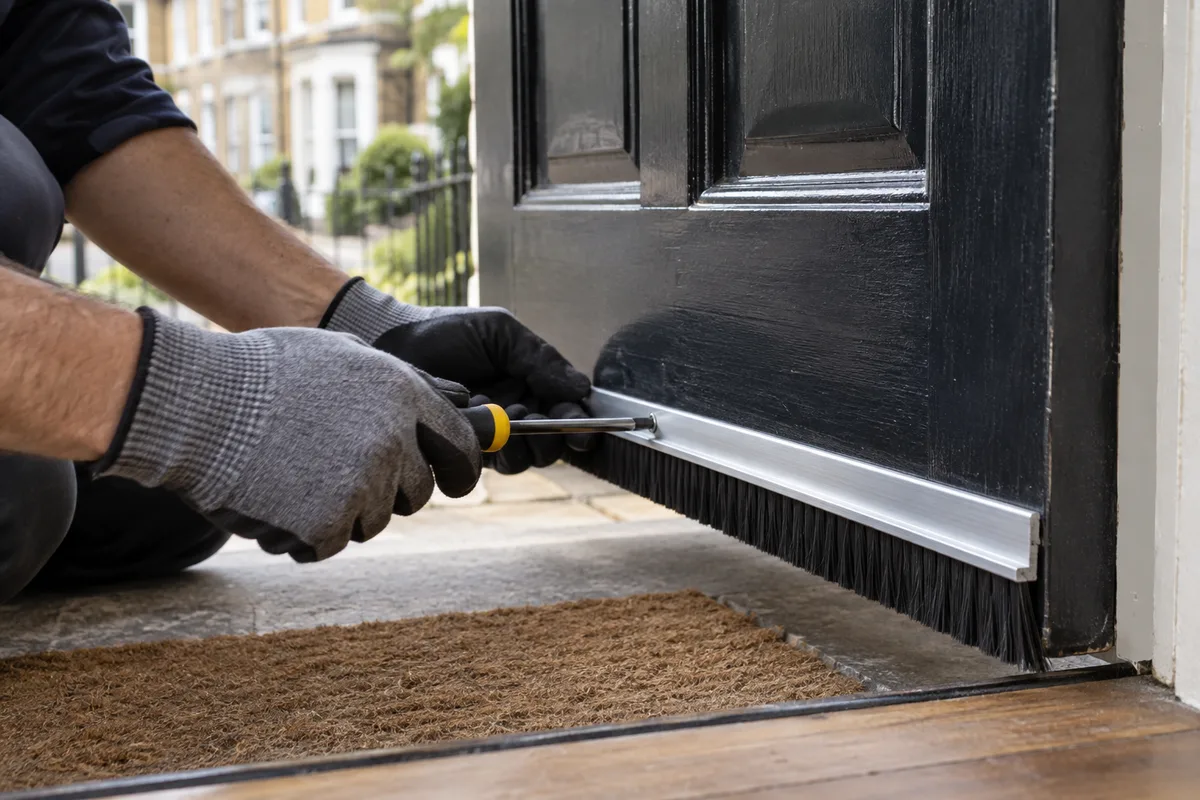
Choose prevention from the building findings
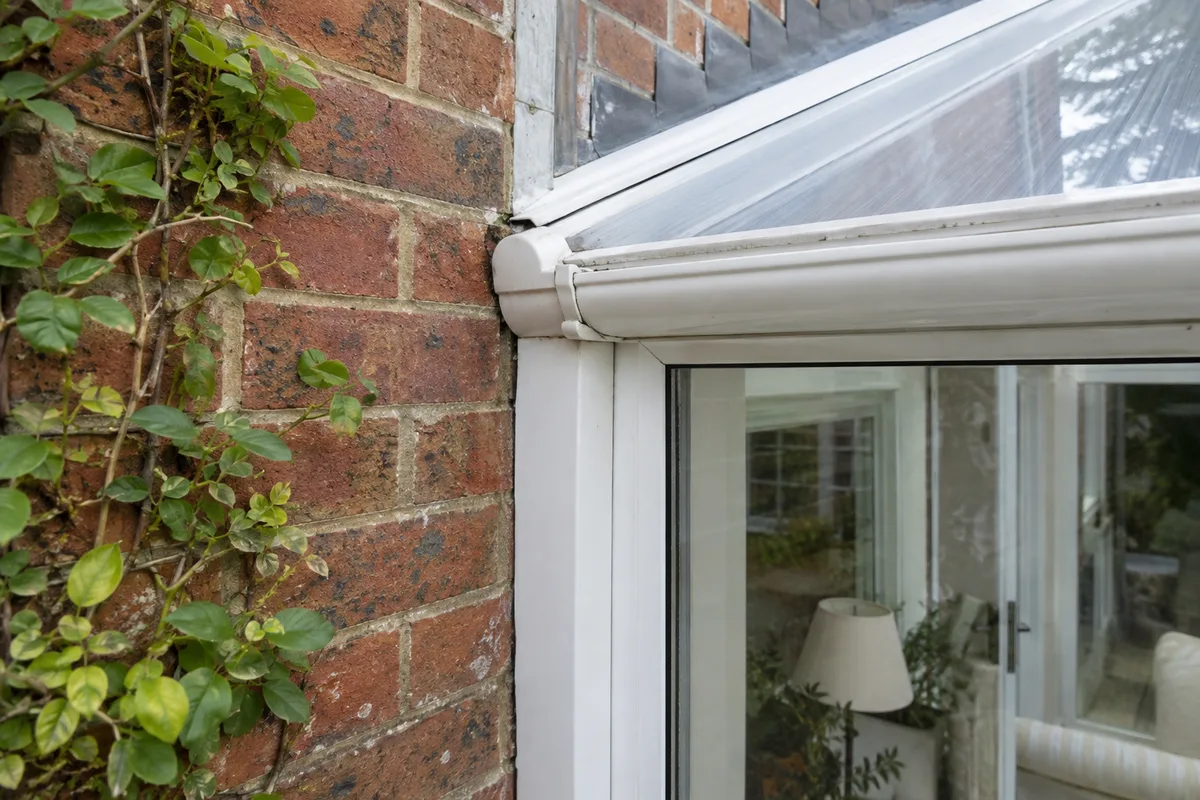
The proofing planning guide explains why doors, service openings and ventilation features need individual consideration. A proposed repair should identify its location and role, not merely promise to seal the house. Competent people need to preserve drainage, airflow and service access. Ask how any exclusion work connects to current activity and the provider’s findings.
Richmond Council provides conservation-area maps and property guidance. Check the actual address before exterior alterations where relevant; an area’s character does not give one permission rule for every home. Keep the owner’s approval and repair specification with the assessment record. That gives a later contractor a concrete task without converting an outdoor sighting into authority for unrelated building changes.
Use evidence-changing examples in the next conversation
You can explain the update precisely: the original sighting was outside; a new photograph now shows a sign beside the kitchen cupboard. Or: the home has no new indoor evidence, but the same public bin remains damaged and has been reported through the correct route. These statements describe different decisions without claiming that one event caused the other. Preserve both dates and positions.
Before calling about a Richmond appointment, identify the question you need answered and the area you can authorise for assessment. Ask what findings would support treatment, what remains uncertain and what a proposed review would compare. Keep any outside defect report in the record as context. The useful outcome is the right next action for the evidence you actually have: a meaningful assessment, an accurate continuing record or a properly directed location report, rather than the same household treatment assumed for every outdoor incident.
Questions about pest control in Richmond
Does an outdoor rat sighting mean the home needs treating?
Not automatically. Assess the outdoor report and any separate indoor evidence.
Should a hole in the garden be called a nest?
Avoid that conclusion without assessment; record its location and any observed activity.
Can neighbouring land be inspected through my booking?
Access and scope need the appropriate agreement.
Is a bin move enough to correct a damaged container?
No. Report and address the actual defect through the responsible arrangement.
What should a review compare?
Original finding locations, changes made and dated subsequent evidence.