
Pest Control Chiswick
A garden sighting and a sound in the kitchen can seem connected. Keep their locations clear so an inspection can test the possibility instead of beginning with an assumed route.
Mark the garden position of the sighting
Record fresh signs inside separately
Leave vents and drainage features functioning
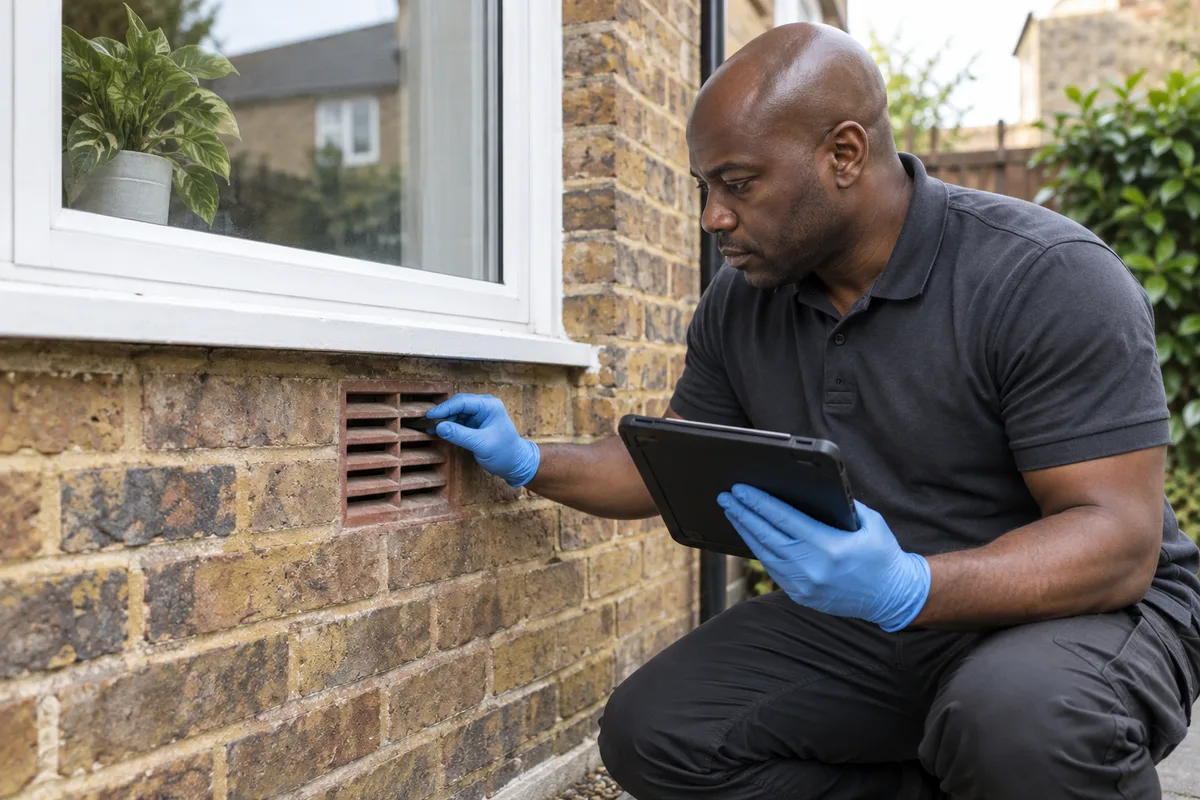
Begin outside without turning the garden into a diagnosis
Record where an animal was seen relative to the house, shed, storage or fence. Include the date and whether the sighting repeated. Do not estimate a population from a brief glimpse or assume nearby greenery explains activity in the kitchen. A safe photograph of the location can help the provider understand the enquiry even if the animal is no longer visible. Keep children and pets away from suspect material while requesting appropriate advice.
Chiswick includes areas for which Hounslow publishes conservation appraisals, including Old Chiswick and Chiswick High Road. Before exterior alterations, check the actual property rather than treating the local area name as permission. For the initial inspection, the useful detail is how your garden-facing rooms, entrances and accessible storage relate to the recorded signs.
Compare the outdoor report with occupied rooms
Look at the evidence already visible indoors: a sighting, damaged food packaging or fresh material in a particular cupboard. Do not conduct a destructive search behind fitted units. Give each indoor finding its own date and room reference. The rat inspection guide helps frame an outdoor enquiry, while the mouse assessment advice covers common questions about indoor room evidence. The provider should assess species and scope rather than simply joining the two reports.
A garden door left open at one moment may be relevant context, but it does not prove the route of a later sighting. Mention it alongside other facts without selecting it as the explanation. A practical assessment may examine accessible openings and room edges, with concealed locations recorded as limits where safe access has not been arranged.
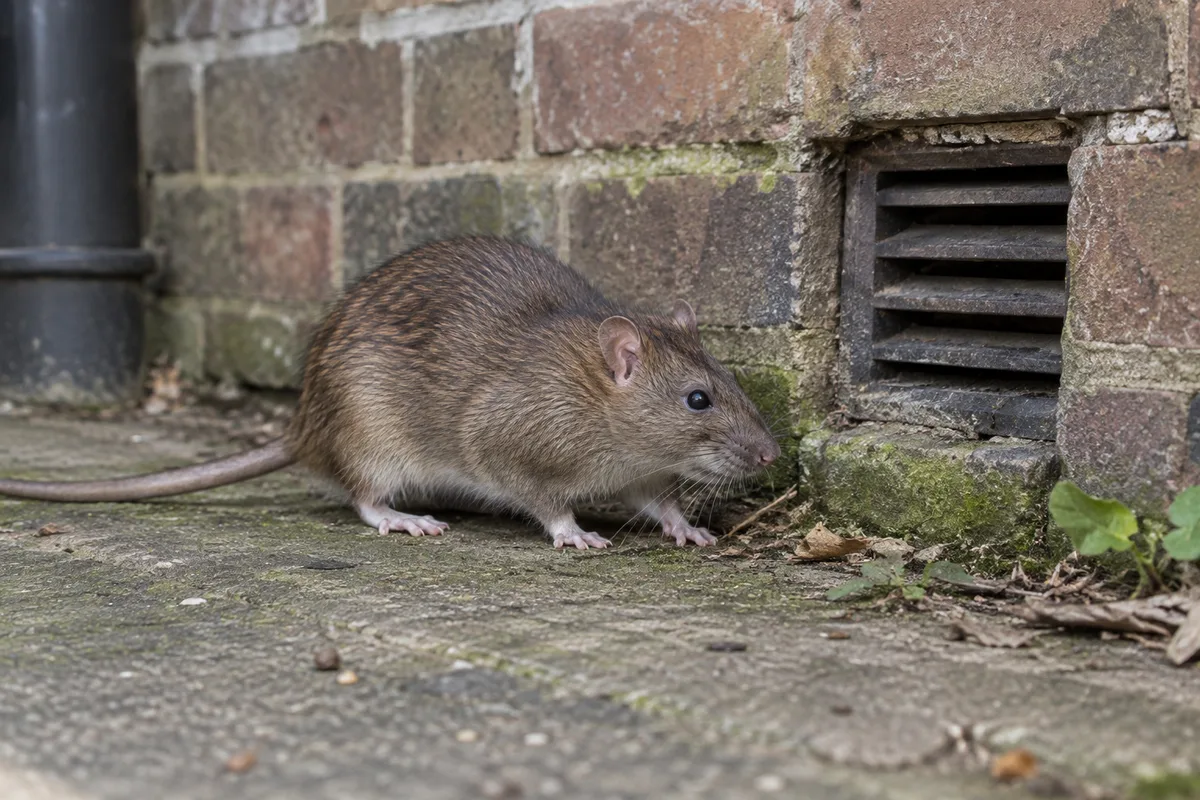
Make a garden-facing access plan
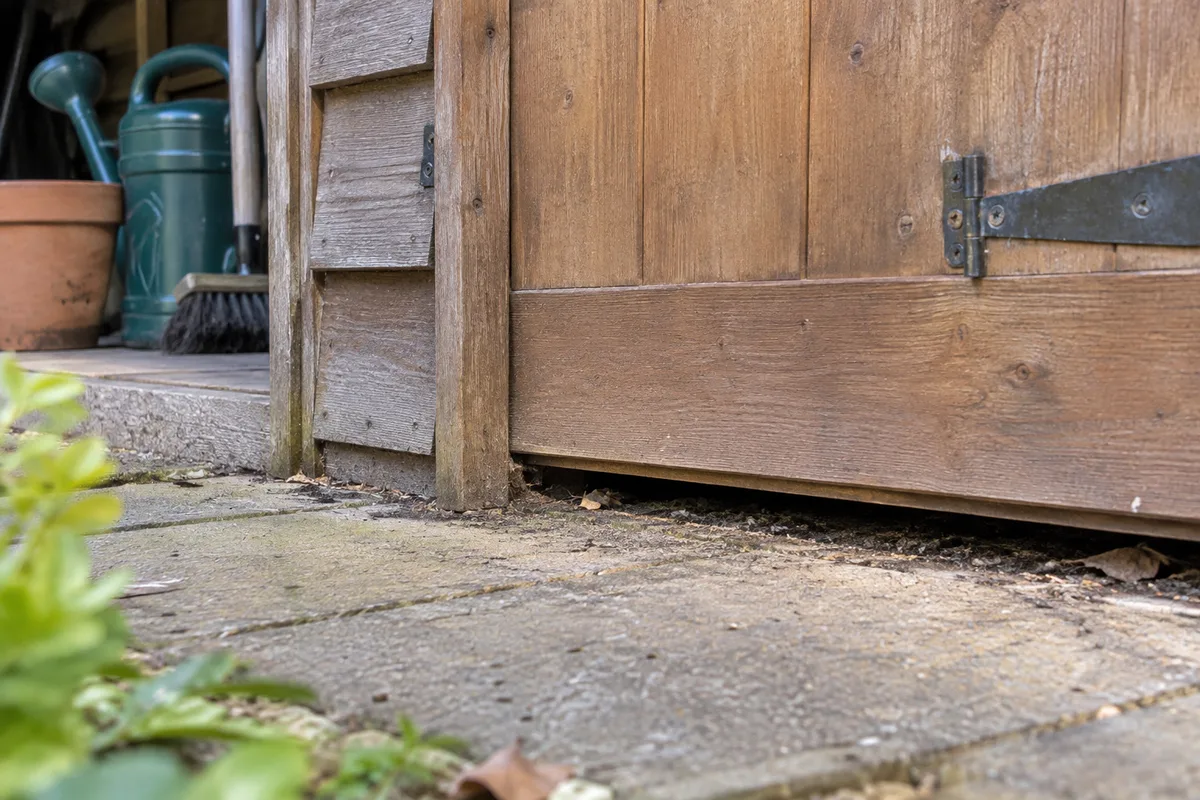
Tell the provider about rear gates, steps and whether equipment must pass through the home. Explain which shed or store can be opened and whether somebody else holds the key. If access involves another property, arrange consent rather than assuming the technician can use a neighbour’s entrance. The booking contact should know the original finding locations and remain able to answer questions during the assessment.
Keep ordinary loose storage away from an agreed inspection point when safe, but do not dismantle drains, decks or service covers on your own. A visible crack beside a building feature can be documented without deciding its significance. If further access is needed, ask who should provide it and what the next appointment is intended to establish.
Treat useful maintenance as specific work
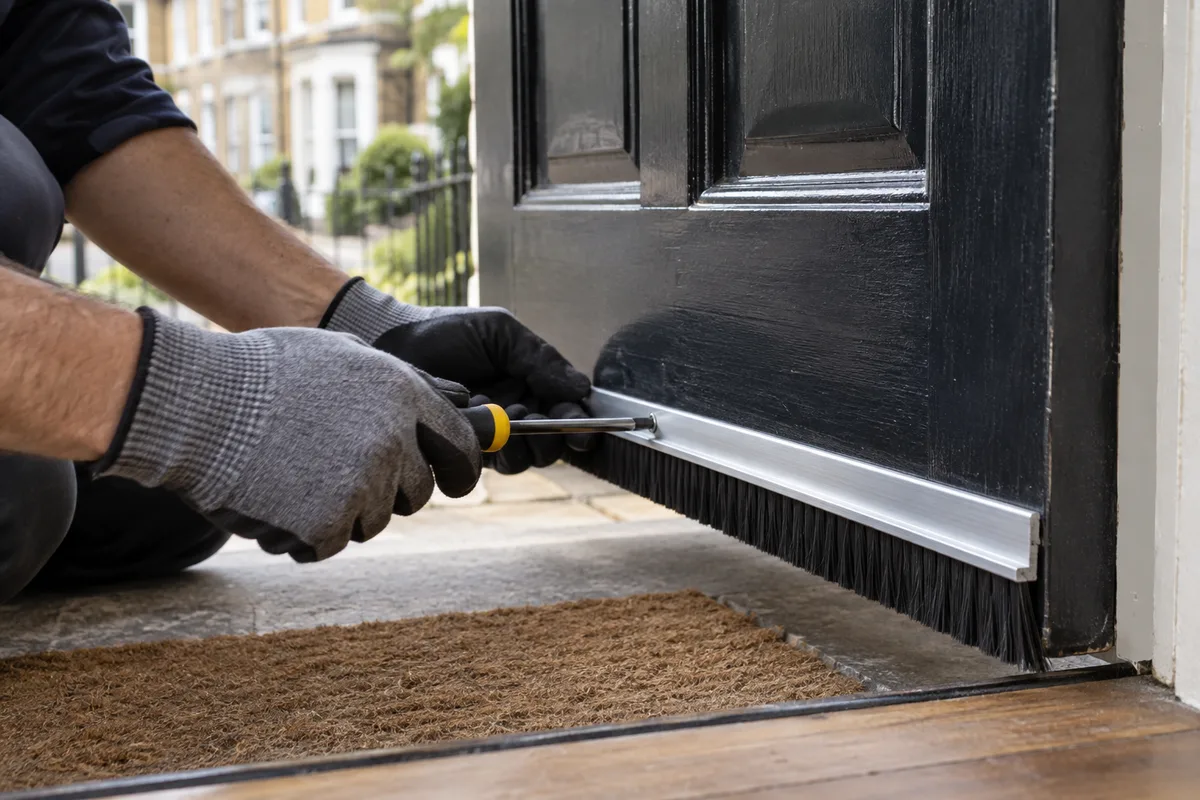
The guide to suitable proofing explains why an opening needs assessment before material is chosen. A door threshold, pipe penetration and ventilation feature have different functions. Photograph the proposed repair location and keep the provider’s recommendation with it. Do not block an air brick or drain because it appears to be an easy way to exclude animals.
Have the owner or authorised maintenance contact check any property requirements and competent repair options. The repair sequence should be discussed with current activity in mind. A tidy-looking patch may conceal the area without resolving the route question. Ask which points were confirmed, which remain suspected and which need another inspection so the work does not outrun the evidence.
Keep garden housekeeping realistic
Ordinary food waste should be contained through the home’s waste arrangements. Report a damaged container or repeated spillage as a defect rather than merely moving bags to another corner. Explain pet-food storage or other relevant supplies to the provider. These details help assess practical conditions, but they should not be turned into blame or a claim that a single household practice caused every sighting.
Keep a short list of the changes actually made, such as a repaired lid or cleared access point. Avoid buying multiple products to use across the garden before identification. Product use around children, pets and outdoor features needs appropriate instructions. Tell the provider about anything already applied, including its location, so the history remains accurate.
Reassess the evidence after agreed work
Record completion dates for repairs and new observations in the same indoor and outdoor locations. If a sighting continues outside after indoor signs stop, report that distinction. It can be important to the next decision. A follow-up should answer the programme’s specific question rather than repeating an assumption that every visible animal means the home requires the same treatment again.
For a Chiswick emergency enquiry, explain the present evidence, affected rooms and available rear access. Confirm appointment availability and the proposed scope. The aim is a plan that connects garden observations to a careful property assessment, with practical maintenance and clear review arrangements. It should leave you able to distinguish what was found inside, what was recorded outside and what still needs investigation.
Questions about pest control in Chiswick
Does a garden sighting prove rodents are inside?
No. Indoor evidence and possible routes need separate assessment.
Should air bricks be covered immediately?
Do not block ventilation indiscriminately; ask about suitable proofing for the feature.
Can a neighbour’s gate be used for access?
Only with their agreement and a confirmed arrangement.
Is garden food storage relevant?
Describe it as context, alongside the actual evidence, without assuming it proves the cause.
What if outdoor sightings continue after indoor work?
Report their locations and dates so the provider can assess the distinction.