
Pest Control Soho
One incident can generate several messages and several different decisions. A triage log keeps the original sighting separate from stock handling, maintenance and the assessment you need booked.
Preserve the original observation and its location
Give each operational decision a responsible contact
State the question the inspection should answer
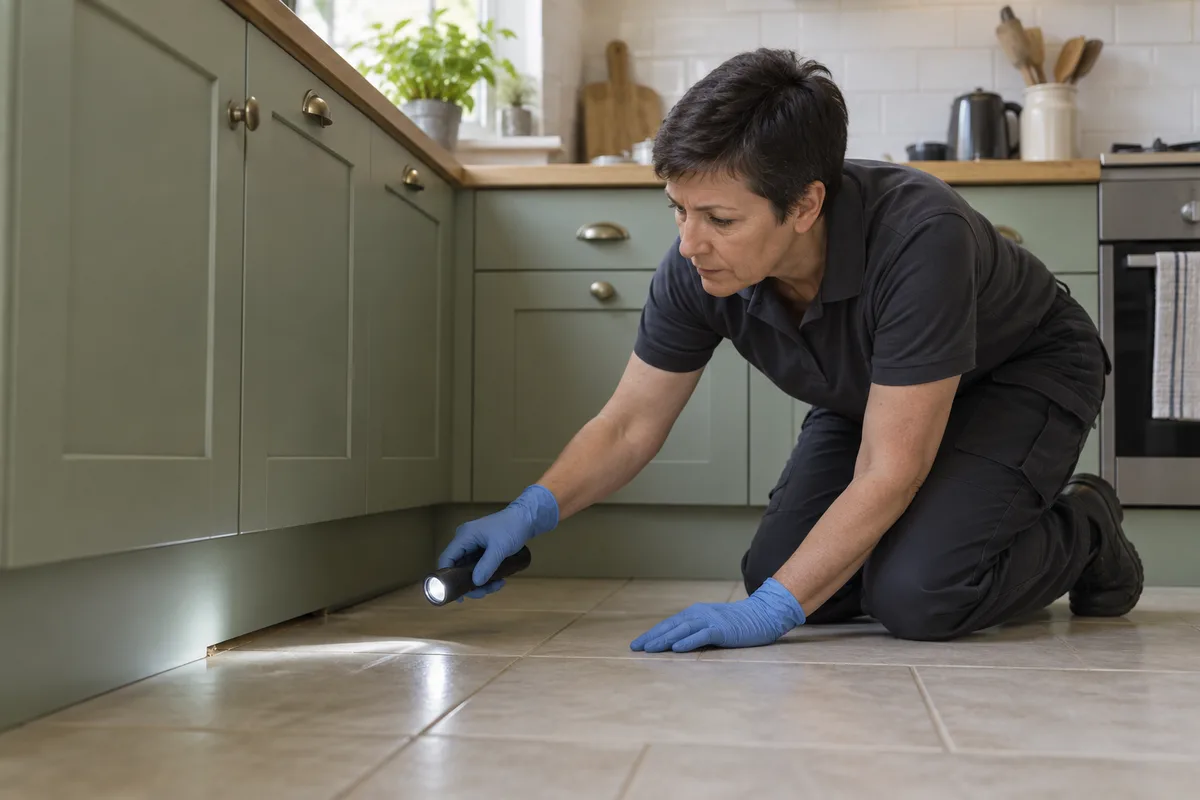
Start the log with what somebody actually observed
An illustrative entry might read: Thursday, staff kitchenette, beside the fridge base; one unfamiliar insect seen when the light was switched on; photograph retained; no identification confirmed. It does not become several incidents because three colleagues forwarded the image. Keep the observer, date and exact position attached to the original report. Add second-hand messages as context without presenting them as fresh sightings.
For a Soho food unit, the same approach can identify the preparation bench or stock shelf involved. For an office, it can name the kitchenette or refreshments cupboard. Do not label every room affected when the observation concerns one point. The record should allow another shift or colleague to locate the observation and understand which details are known, unknown or merely suggested.
Separate evidence triage from operating decisions
Next to the observation, record the decision that needs an owner. A food-stock concern belongs with the responsible food-safety contact and established procedures. A broken bin lid belongs with the waste or maintenance contact. An occupied-room access question belongs with the person able to arrange it. None of those entries confirms the pest identification or substitutes for the requested assessment.
Keep what was done and by whom: item held through the relevant procedure, waste defect reported, room access agreed or still unavailable. Do not tell a colleague to resume using potentially affected stock because the insect has gone. Equally, avoid labelling every nearby item affected without an appropriate decision. The triage log preserves distinct tasks instead of merging them under a general message that the premises have pests.
Choose the assessment branch from the finding
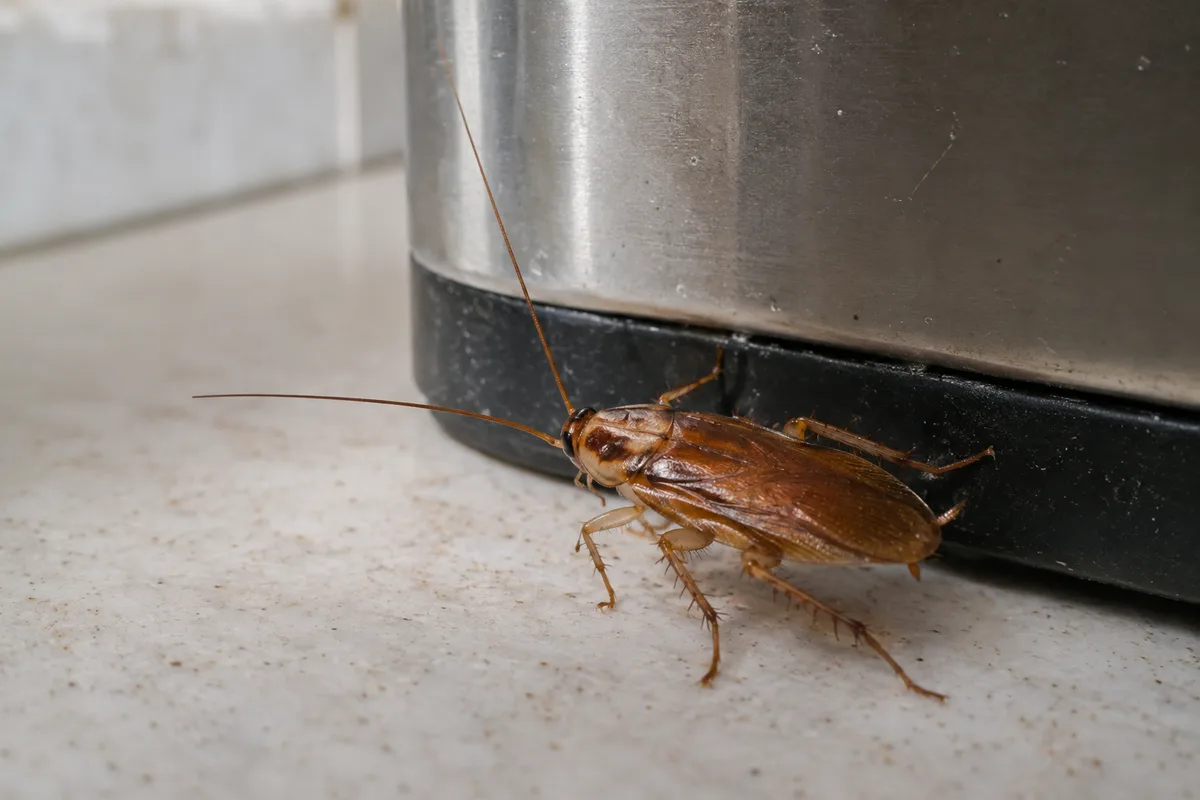
For the insect example, the cockroach assessment guide helps organise identification and equipment-location questions without confirming the species from a rough resemblance. Ask whether a photograph can support the enquiry and what accessible locations need assessment. Do not spray electrical equipment or food-contact areas while waiting for advice. Record any earlier product use with its location.
A separate animal sighting or damaged food packet should create its own entry, supported by the mouse inspection information. Give the provider both records if both need attention. The question is whether the evidence supports the relevant programme and scope, not which multipurpose product appears to cover the greatest number of possible pests.
State the missing information that would change the decision
Mark a field unknown when it genuinely is unknown: whether the insect was on packaging or the bench; whether a sign is recent; whether the room beyond a locked door is relevant. Do not fill the gap with the most alarming explanation. Identify what could clarify it, such as the original observer’s account, a safe location photograph or an authorised inspection of the point.
A useful update might say: the original photograph has now been located and shows the insect beside the appliance, while the delivery connection remains unconfirmed. That changes the assessment context without rewriting the first report as fact. The provider can then explain what enquiry or access is useful. Triage should make the decision more accurate, not just move the incident faster through several people’s inboxes.
Use the correct public reporting route when relevant
Westminster’s food-safety complaints resource covers concerns including pest sightings in food premises. If the enquiry is a report about food bought from a business, follow the relevant council reporting guidance for the place of purchase. That reporting route is distinct from commissioning a private assessment of your own occupied premises.
Keep any business’s operational record and provider booking clear about their own scope. A public report does not mean a technician has been booked for the office kitchenette, nor does a private appointment replace a responsible food-handling decision. The useful local resource helps direct the correct enquiry without claiming that all Soho incidents have the same authority, treatment or outcome.
Give the booked visit one actionable brief
Send the original entries, agreed locations and inspection question to the booking contact. Add access constraints and the person who can approve the scope. A short brief might request identification of the photographed insect at the accessible fridge area, with the locked stockroom explicitly excluded until access is arranged. Ask what that limit means for the usefulness of the visit and any further recommendation.
If the assessment raises an opening or equipment-access task, use the proofing planning information for the maintenance discussion. Keep it as a located recommendation rather than a generic instruction to seal everything. The operational contact needs to know what action has actually been agreed and which decision still belongs to another person.
Close each task with its actual result
After attendance or another action, record the result against the relevant entry. Inspection may identify the insect, retain uncertainty or recommend another access step. Maintenance may repair a named defect. The responsible stock contact may record a handling decision. Do not mark all tasks closed because one visit took place, and do not turn an incomplete result into proof of a wider infestation.
For a Soho enquiry, bring the postcode and actionable brief to the conversation. If the situation is urgent, explain its immediate impact alongside the original evidence. The log should let the next contact see what happened, which decision was made and what question remains. That provides a useful handover for an office or food unit without relying on repeated general warnings to prepare the kitchen.
Questions about pest control in Soho
Do forwarded photographs count as new sightings?
No. Keep the original observation identifiable and distinguish later reports of actual new evidence.
Who decides what happens to potentially affected food?
The responsible food-safety contact through the business’s established procedures.
What belongs in an unknown field?
The uncertainty and what evidence or access could clarify it, without filling it with a guess.
Is a council complaint the same as booking a private visit?
No. Follow the appropriate reporting route and keep any provider appointment separately defined.
When should a task be marked complete?
When its actual outcome is recorded, not merely because another related visit happened.