
Pest Control Holborn
An office kitchenette is small, but its coffee machine, fridge and fixed cupboards can make inspection awkward. Explain where the signs appeared and what can be safely accessed.
Photograph the appliance area before clearing it
Nominate an authorised workplace contact
Keep treatment instructions with the cleaning team
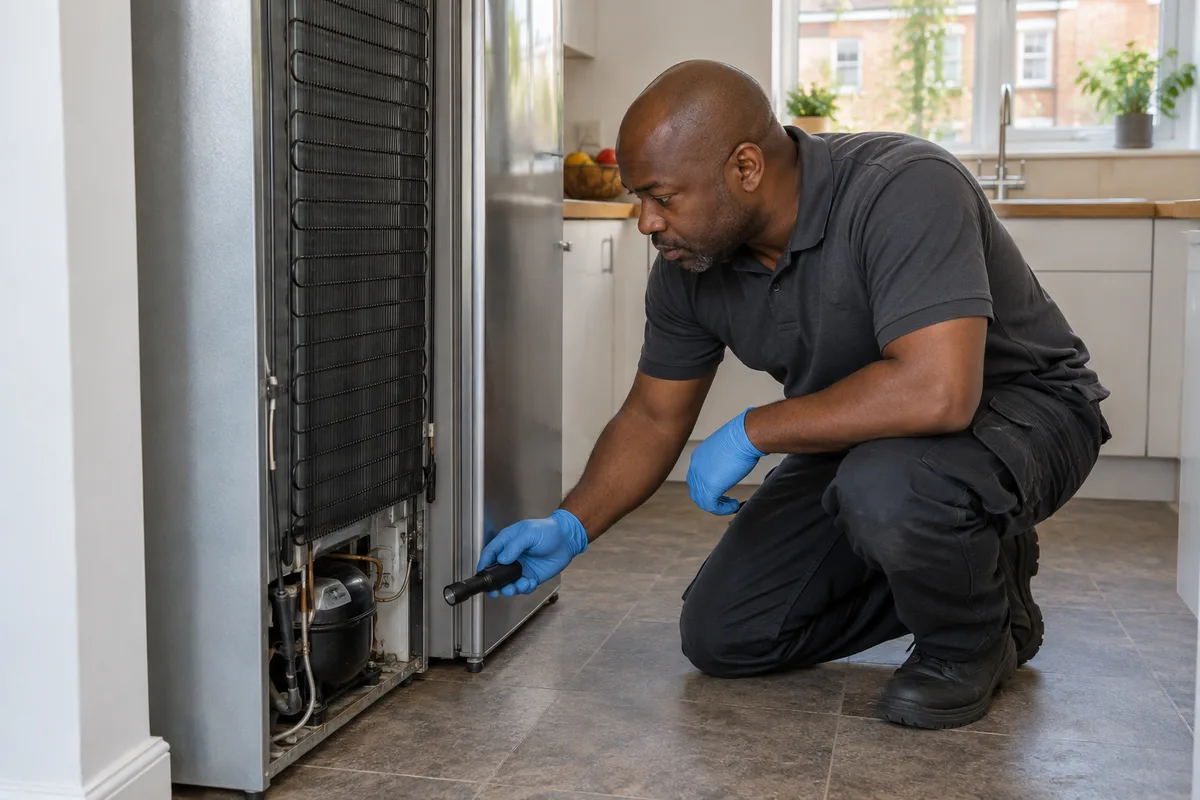
Identify the equipment beside the finding
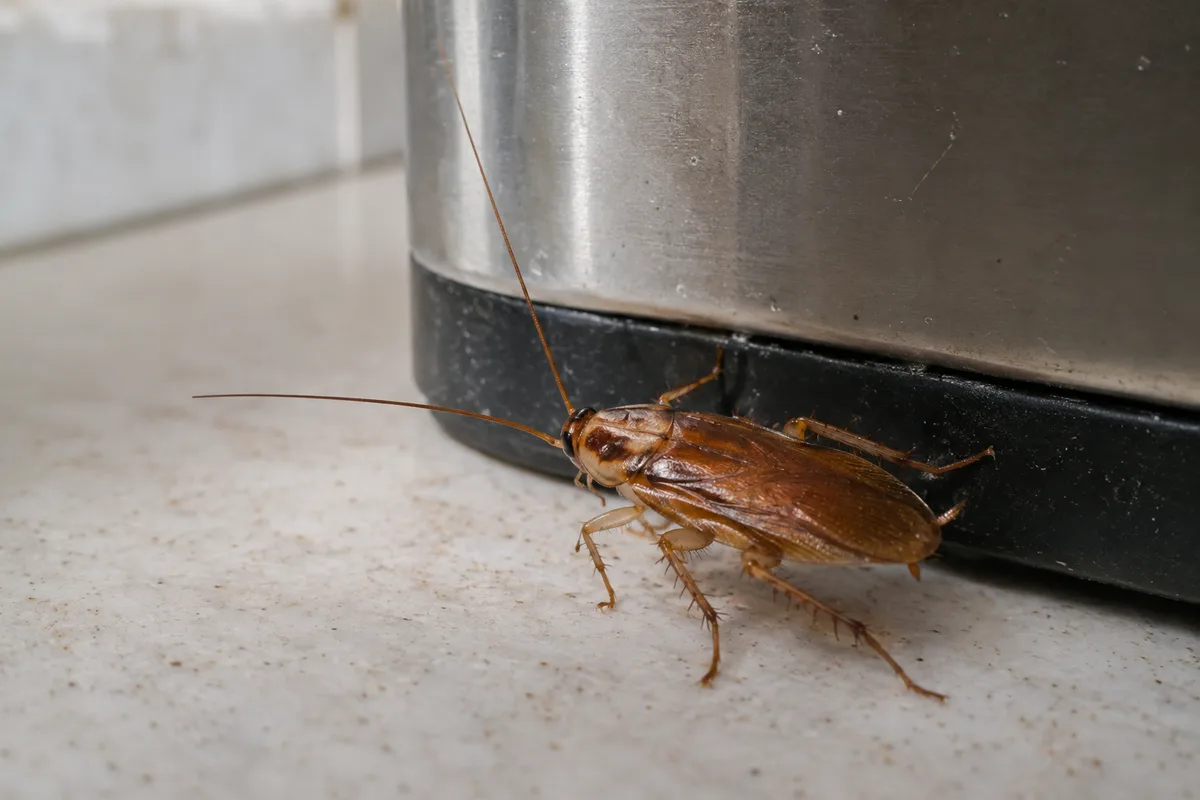
Rather than reporting insects somewhere in the kitchen, record the appliance, worktop edge or cupboard involved. Include when it was last used and whether the sign has appeared again. A photograph showing surrounding equipment helps the provider plan an inspection. A close-up may help identification, but an image alone does not reveal the extent of activity behind fixed units. Keep both views if they can be taken without disturbing the area.
Explain whether the kitchenette serves one office or several tenants. In a Holborn workplace with shared facilities, the booking contact may need permission from the building manager. Separate what your staff have seen from information passed on by other occupiers. An appointment can then have an agreed boundary rather than an assumed responsibility for the whole floor.
Make cleaning changes without hiding the history
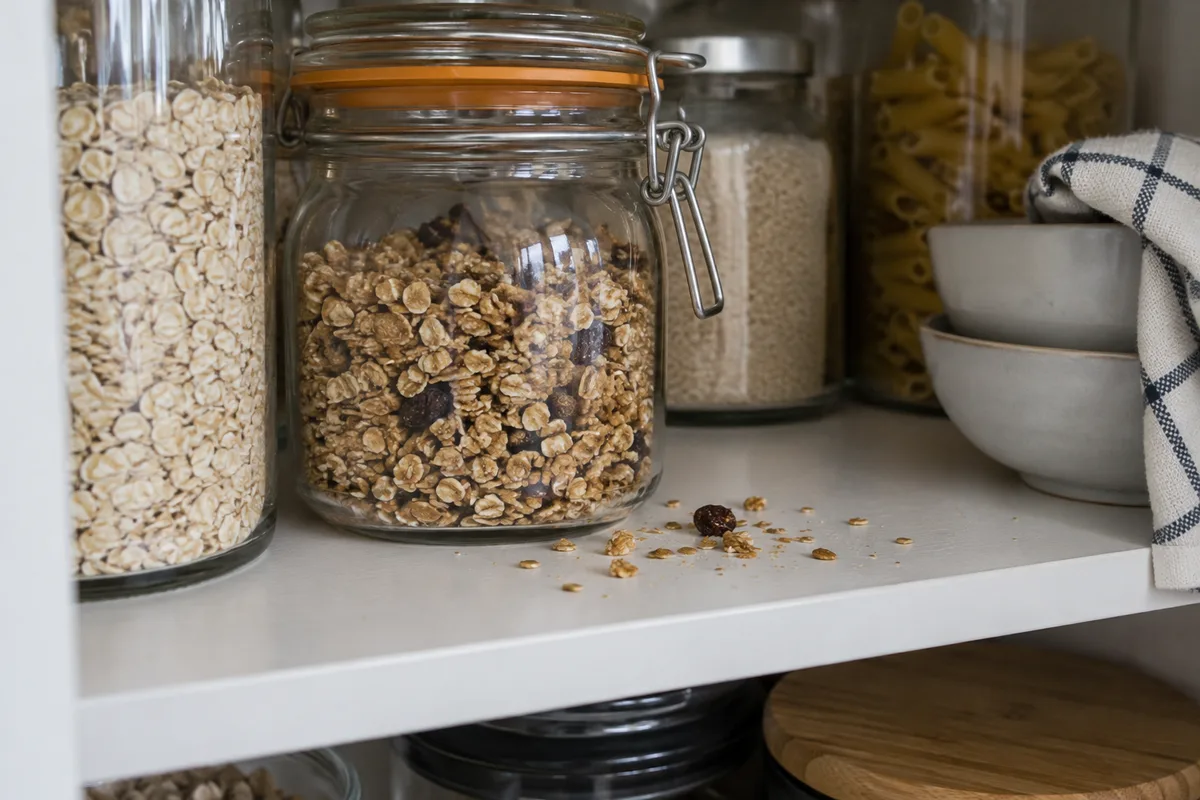
Remove ordinary food residues and keep refreshments in closed storage through normal workplace procedures. Preserve the location record before changing the arrangement. Tell the cleaner which signs were reported and ask them to pass on new observations instead of simply labelling everything old debris. Avoid leaving suspect material in place indefinitely for a photograph; obtain cleaning advice appropriate to the finding.
For an insect near warm equipment, the cockroach inspection guide explains useful questions about identification and nearby spaces. Do not spray into a coffee machine or electrical socket. If somebody has used a product, record its name and application area for the provider. That information is part of the assessment, not a reason to conceal the earlier attempt.
Decide who can move connected appliances
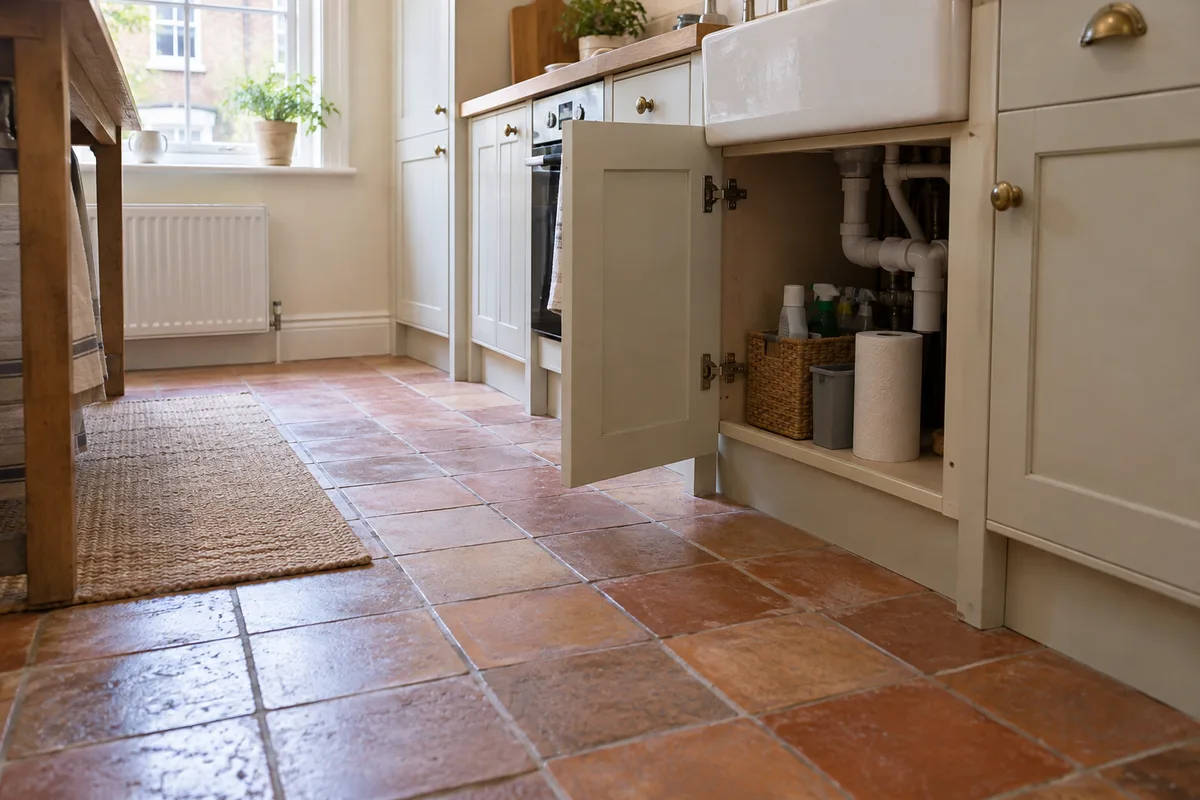
A fridge may be freestanding yet connected to a tight socket behind it. A dishwasher may be fixed to cabinetry or plumbing. Tell the provider what equipment can be moved by the workplace team and what requires a maintenance contractor. An instruction to provide access should not leave an employee pulling an unfamiliar appliance from its fittings. Arrange competent help when the agreed inspection requires it.
Keep cleaning chemicals and food-contact items identified while preparing the room. The provider should explain what needs moving for the proposed method. If the kitchenette cannot be closed at the requested time, discuss that constraint before the visit. It may affect the appointment plan or the available scope, particularly where staff use the space continuously through the working day.
Check rodent signs as a separate enquiry
Chewed refreshments or small droppings near a pipe opening can indicate a different inspection route from an insect sighting beside equipment. Record these separately and use the workplace mouse assessment advice to organise the information. Sounds from above a ceiling should be described as sounds unless an animal has actually been identified. The provider may need information about accessible service cupboards and the building manager responsible for them.
A kitchenette visit should not be described as a ceiling-void survey unless that space is genuinely included and accessible. Ask for inspection limits to be recorded. Staff can continue reporting visible evidence without opening service panels themselves. Combining accurate room observations with the right access contact is more useful than repeatedly replacing food containers while the underlying question remains unresolved.
Connect the findings to a realistic repair
The guide to proofing after an inspection explains why filling every visible gap is not a sound specification. Record the opening, surrounding materials and function of any service passing through it. A repair beside pipework differs from one around a door, and neither should obstruct ventilation or compromise other building requirements. The maintenance contact needs a precise location and an agreed action.
For a privately rented home in the Camden part of Holborn, the council’s private-renter repairs guidance includes repairs needed to prevent rats and mice. Keep dated photographs and correspondence with the landlord if a building defect is being raised. Check the address and housing arrangement before selecting a reporting route; this advice does not make an office kitchenette a residential repair case.
Give the cleaning team a clear handover
After treatment, cleaning instructions should reach the people who actually service the kitchenette. Clarify which surfaces or locations need particular care and when routine cleaning can resume under the provider’s instructions. Do not let a vague message that the office was treated substitute for the programme details. The staff contact should know who to call if a new observation appears or a precaution cannot be followed.
Retain the findings, treatment scope and agreed review date with the workplace maintenance record. For a Holborn urgent enquiry, give the postcode, evidence location and periods when the kitchenette can be made available. Confirm appointment availability and any preparation before announcing a closure to colleagues. A practical visit leaves the office with identified next steps, rather than a treatment date and no explanation of what remains to be checked.
Questions about pest control in Holborn
Should the coffee machine be unplugged before inspection?
Follow the agreed preparation instructions and use someone authorised to handle the equipment.
Can cleaners dispose of the evidence?
Document the location first where safe, then obtain appropriate cleaning guidance rather than leaving suspect material indefinitely.
Does insect treatment include mice?
Only if that concern is separately assessed and included in the agreed scope.
Who should receive precautions?
The booking contact, relevant occupants and people responsible for cleaning need the applicable instructions.
What if the kitchenette is always occupied?
Explain this before booking so access and any closure can be planned realistically.