
Pest Control Poplar
A sighting near communal bins needs a precise location and a responsible contact. The waste area and the inside of your home should remain separate inspection questions.
Record where and when the sighting occurred
Report damaged shared storage to its manager
Keep indoor evidence separate from outside reports
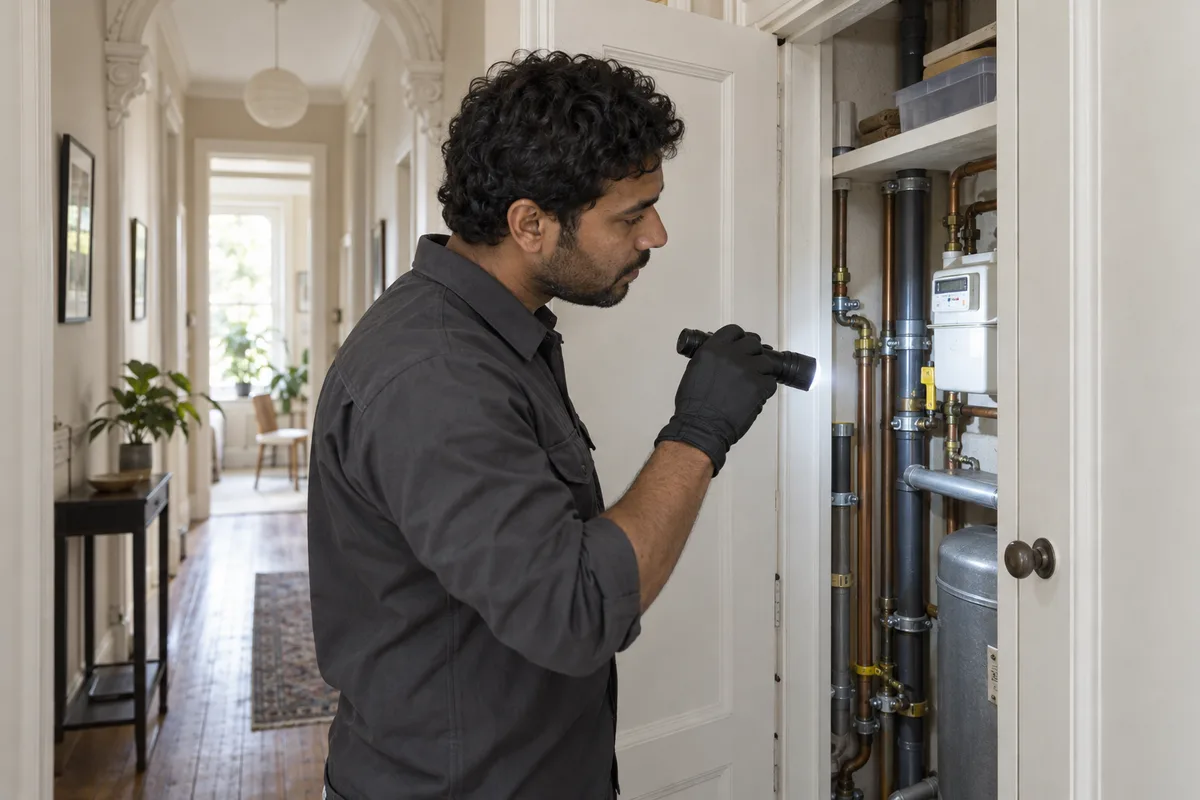
Plan the enquiry
Describe the waste-area concern clearly
A shared sighting does not establish an indoor problem
Waste handling and inspection access are separate tasks
Report the defect separately from the animal sighting
Describe the waste-area concern clearly
Note the bin location, date and what was seen. A crossing animal, damaged storage and repeated physical signs create different questions. Take a photograph only where it is safe and without approaching the animal or handling unidentified material. Explain whether the area is communal, business-managed or part of your own garden. The provider needs to know who can authorise access and work, not just that bins are somewhere behind the building.
Poplar HARCA publishes information distinguishing communal repair responsibilities from work inside homes. If your property is managed by that organisation, check its current reporting route and your own responsibilities. Do not assume the same arrangement applies to every Poplar address. The useful principle is to identify the actual manager of the space before arranging treatment or repairs there, while retaining your own record of the observation.
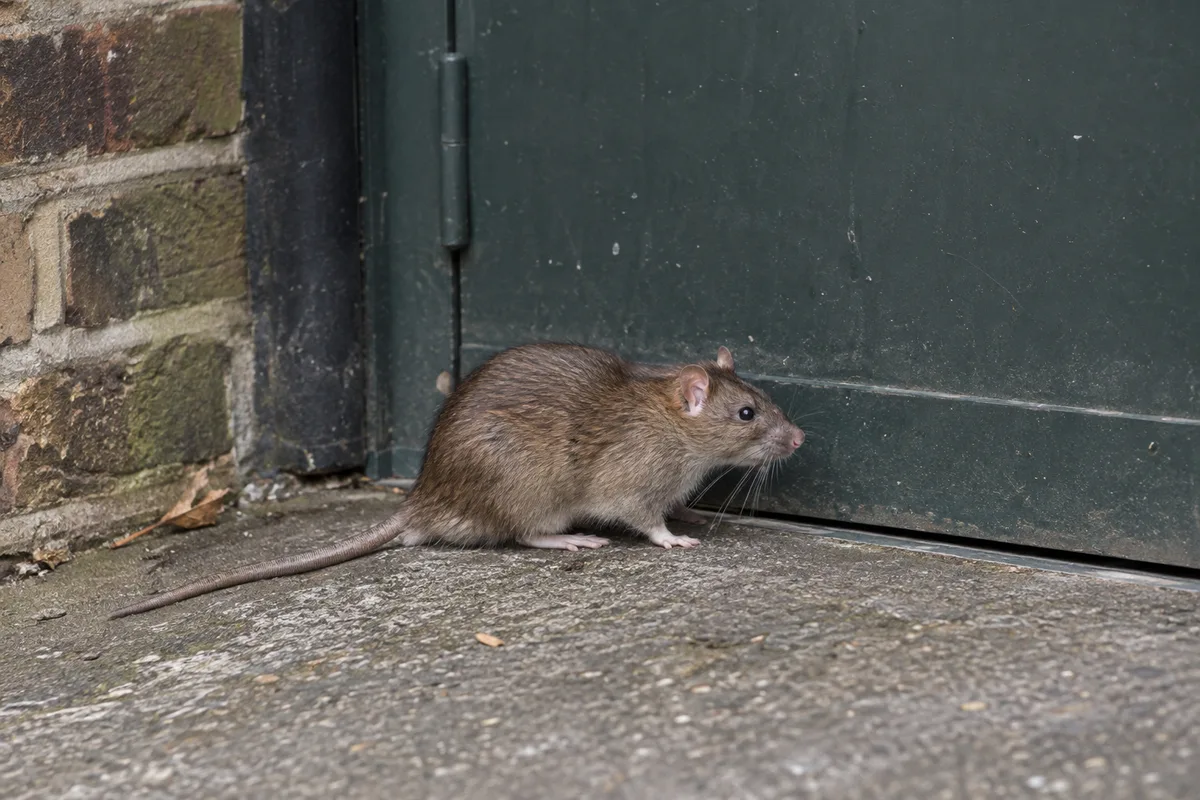
A shared sighting does not establish an indoor problem
Check whether any physical signs have been found inside your home and describe them separately. Avoid telling the provider that the whole flat is affected only because an animal was seen near bins. Our rat inspection information explains relevant outdoor and indoor questions. The mouse assessment guide may be useful where smaller signs appear around kitchen storage. Identification should follow evidence rather than the location’s reputation or a neighbour’s product choice.
If several residents have observations, use an agreed contact to collate dates and locations. Keep private household findings in an appropriate channel. A factual report can support assessment without blaming an occupier for waste practices or declaring every home infested. Ask what access is needed and which areas the provider recommends inspecting before discussing a building-wide programme.
Waste handling and inspection access are separate tasks
Tell the responsible manager about damaged lids, overflow or an inaccessible store. Follow the applicable waste arrangements rather than moving bags into a hallway while waiting for a pest appointment. Tower Hamlets provides household food-waste instructions for communal bins and individual homes. Check the guidance relevant to your property; a general collection page cannot establish whether a specific storage defect has been repaired.
Arrange the key holder for locked waste areas and identify any operating restrictions for business storage. A pest technician should not be expected to move unsafe stacks or repair equipment as part of an ordinary visit. If access is incomplete, the report should record that limitation. The next step may require a maintenance or cleaning task before further inspection can answer the relevant question.
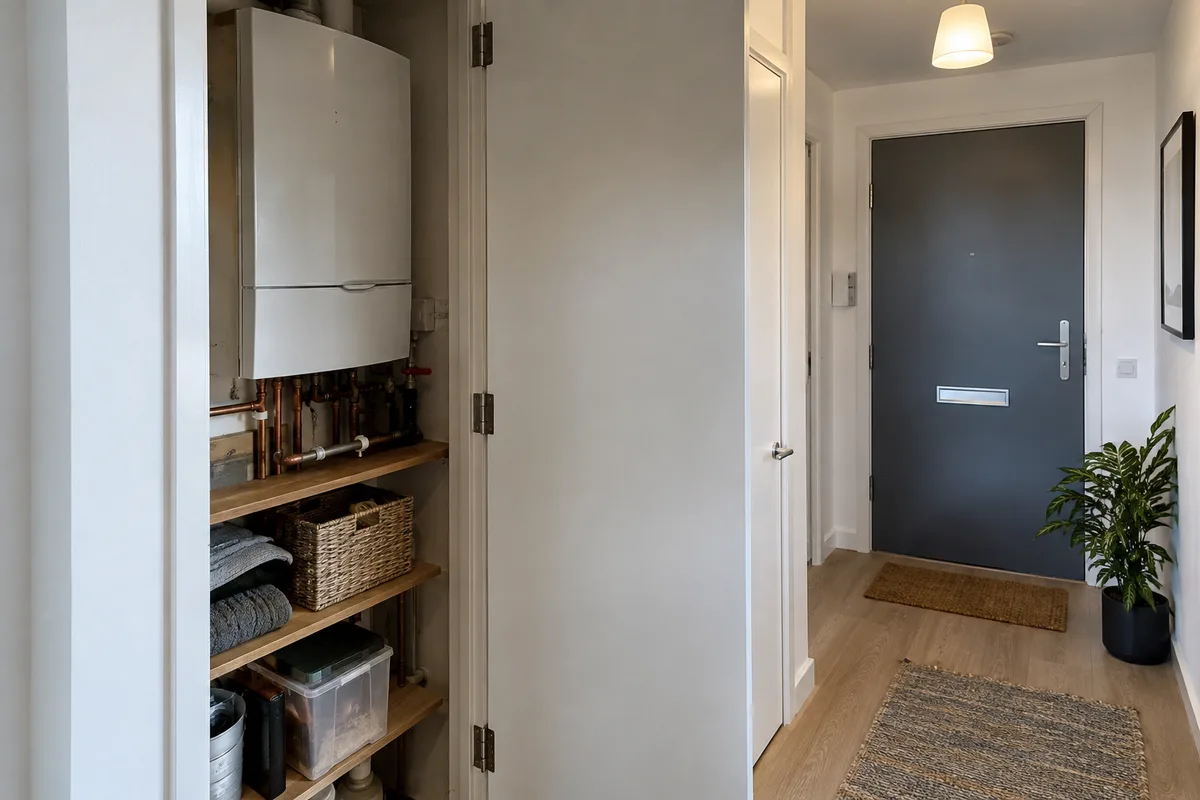
Report the defect separately from the animal sighting
A damaged bin lid, blocked access route and rodent observation should be logged as distinct findings. The manager may need different people to address storage maintenance, waste handling and pest assessment. One completed cleaning task should not silently close a repair request for broken equipment. Keep dates and the responsible contact visible so the next update states what was actually done.
If residents are asked to follow a changed waste arrangement, provide clear practical instructions without implying that a particular household caused the concern. Record fresh sightings with their location rather than repeatedly circulating an old photograph. When a pest visit is planned, confirm that the relevant store can be reached and identify any continuing access limit. This gives the provider useful current conditions and helps the property manager maintain prevention after the appointment, rather than relying on a single treatment as the entire waste-area plan.
A treatment quote needs a named area
Our service guide for homes and shared premises can help organise questions about scope, treatment if justified and review. A programme in a bin area is not automatically treatment of nearby flats. Ask which spaces are included and what evidence supports the recommendation. Discuss precautions for residents, staff, children and pets using the route, with instructions communicated before work begins.
For an urgent enquiry, explain the actual sighting or signs and available access, then ask what appointment can be confirmed. Do not assume a specific arrival time or a complete resolution from one callout. If multiple parties control the area, establish who commissions the work and who receives the findings. Those arrangements are part of making the visit usable, not details to leave until the provider arrives.
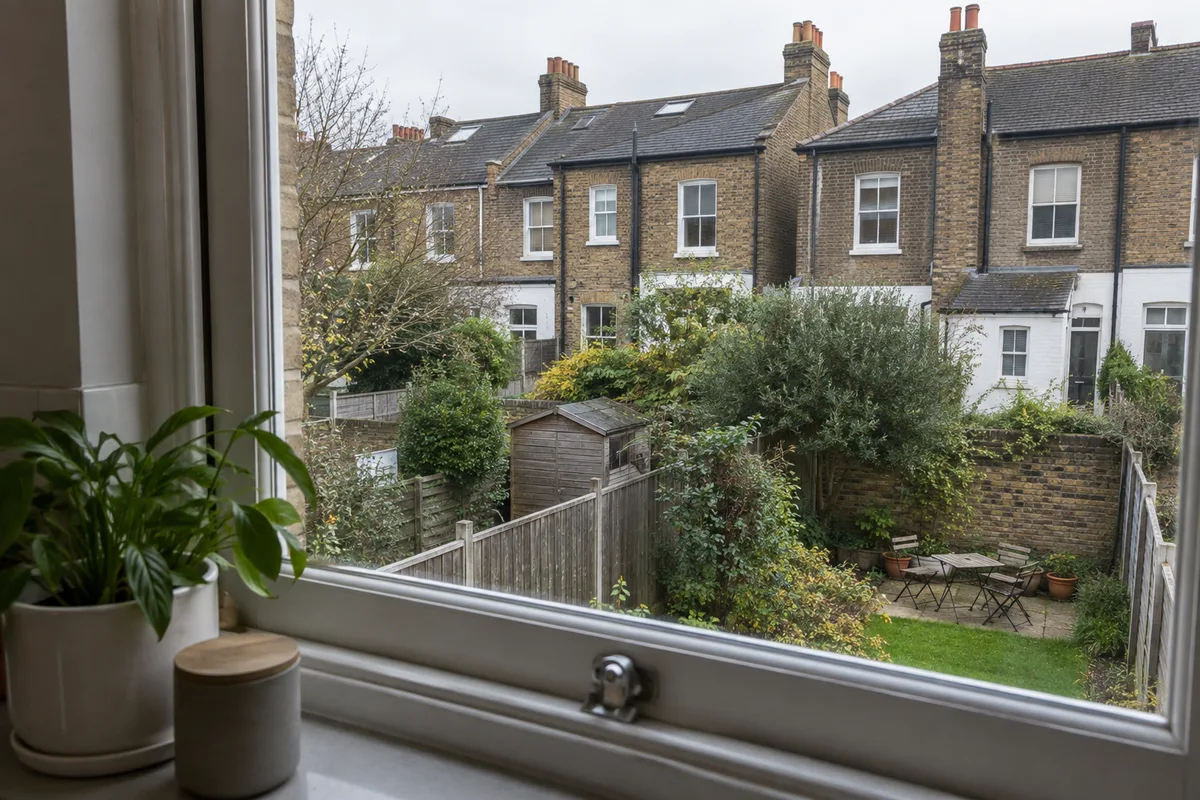
Keep prevention accountable after the visit
Where an opening or storage defect is identified, give the responsible person its exact location and any relevant photograph. The proofing and entry-route guide explains why suitable repairs must preserve building functions. Do not pack material into communal service openings or close ventilation to make a route look sealed. Waste maintenance and structural proofing may involve different contractors and need separate completion records.
Follow instructions for any equipment used and report fresh evidence with dates and locations. Keep repair dates alongside the observation log so a review can distinguish unresolved defects from completed work. Call with your Poplar postcode, the waste-area location and management access details to discuss an inspection. The aim is a clear plan for the actual shared space, with indoor concerns assessed on their own evidence and ongoing prevention assigned to the people who can maintain and repair the property.
Questions about pest control in Poplar
Does a rat near communal bins mean my flat needs treatment?
Not automatically. Report any indoor evidence separately so the scope can be assessed.
Who should approve work in a shared bin store?
Identify the owner or manager responsible for that specific area before booking.
Can I move overflowing bags into the hallway?
Follow the property’s waste arrangements and report the problem to the responsible contact; do not obstruct shared routes.
Does every Poplar home have the same repair arrangement?
No. Check your own manager, tenancy or ownership arrangements rather than assuming one organisation covers all addresses.
How should new sightings be reported?
Use dates and exact locations through the agreed contact, distinguishing them from old observations.