
Pest Control Stratford
Several messages from residents can describe one incident, different problems or an unconfirmed concern. Keep the original reports separate long enough to establish what each person actually saw in the Stratford building.
Give each observation its own date and location
Separate defects from pest identification
Agree what the proposed visit is intended to answer
Plan the enquiry
Start with original reports, not the forwarded summary
Give room findings and shared-space defects different fields
Do not merge insect concerns with a general rodent alert
Choose what an urgent enquiry must answer
Share the useful fields without circulating the whole conversation
Start with original reports, not the forwarded summary
Ask for the direct observation, where it happened and when. “Three people mentioned rats” may mean three independent sightings, or three replies to the same photograph. Do not count forwarded messages as new evidence. Preserve the original image and date when available, then record which person can clarify the location. A building manager does not need everybody’s private household circumstances to make the initial record useful.
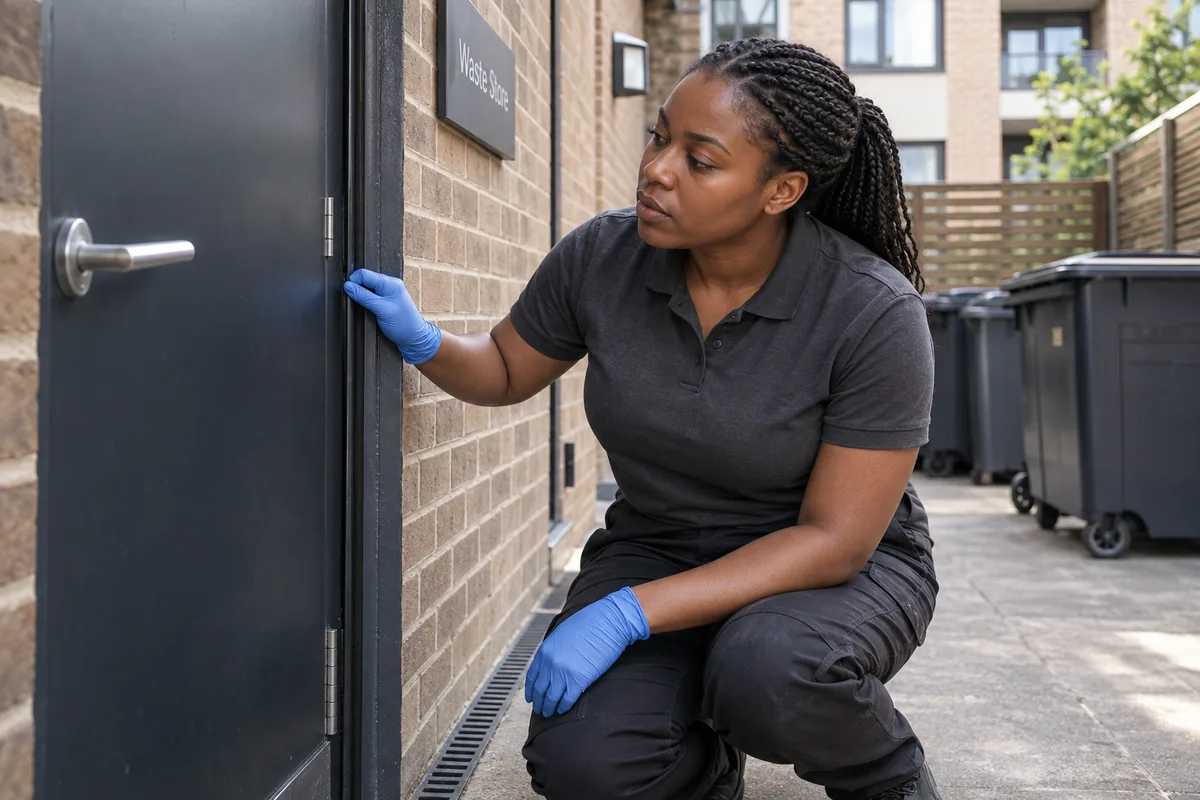
An illustrative register could contain: “Resident A: animal seen beside waste-store door Monday; photograph available. Resident B: message repeating A’s sighting; no separate observation. Resident C: damaged packet inside kitchen Tuesday; no animal seen.” These entries lead to different questions. The register documents observations rather than confirming a species or linking the kitchen to the waste store. Keeping that distinction prevents a broad summary from becoming the only information passed to a provider.

Give room findings and shared-space defects different fields
A bin lid that will not close is a maintenance defect. An animal sighting nearby is an observation. Record both without treating one as proof of the other’s cause. The person responsible for the waste area can act on the defect while the pest enquiry considers the evidence. Inside a flat, a damaged food packet belongs to that room’s account unless a wider connection has been assessed.
For outside rodent reports, the rat inspection information explains the evidence questions to raise. For kitchen findings, the mouse assessment guide may be relevant to a separate enquiry. These are routes to appropriate advice, not labels to apply to every report. Avoid estimating an infestation size from the number of messages in a residents’ chat. The useful next step is to identify which locations can be inspected and what each inspection is supposed to establish.
Do not merge insect concerns with a general rodent alert
An insect photographed in a bedroom should not become another entry in an unconfirmed rat incident simply because it arrived on the same day. Give it its own location and identification question. A provider needs the physical finding, not a diagnosis made by the building group. If two people have similar photographs, preserve both dates and room references rather than circulating one image as evidence for both properties.
The bedroom insect inspection guide sets out why bites alone are insufficient for identification. An insect around kitchen equipment may lead instead to the cockroach assessment information. Keep any preparation advice specific to the enquiry it addresses. A resident should not empty a bedroom because a communal-area visit has been booked for another concern. If more than one assessment is needed, ask for the proposed scopes to be described separately.
Choose what an urgent enquiry must answer
For an urgent call, describe the current observation and its practical impact rather than announcing a building-wide emergency without supporting detail. Give the postcode, affected space and contact able to make it available. Ask what the next available visit can assess. The provider may need clarification before deciding whether the enquiry concerns a room, a shared store or several authorised premises.
Newham’s Stratford town-centre material considers residents and businesses within the local setting. In a mixed-use building, the reporting contact for a shop may differ from the residential manager. State which unit each finding belongs to and who can authorise its appointment. This is practical context for the record; it does not establish a local pest rate. Confirm availability and entry arrangements once the actual enquiry is clear, including any controlled entrance or visitor process.
Share the useful fields without circulating the whole conversation
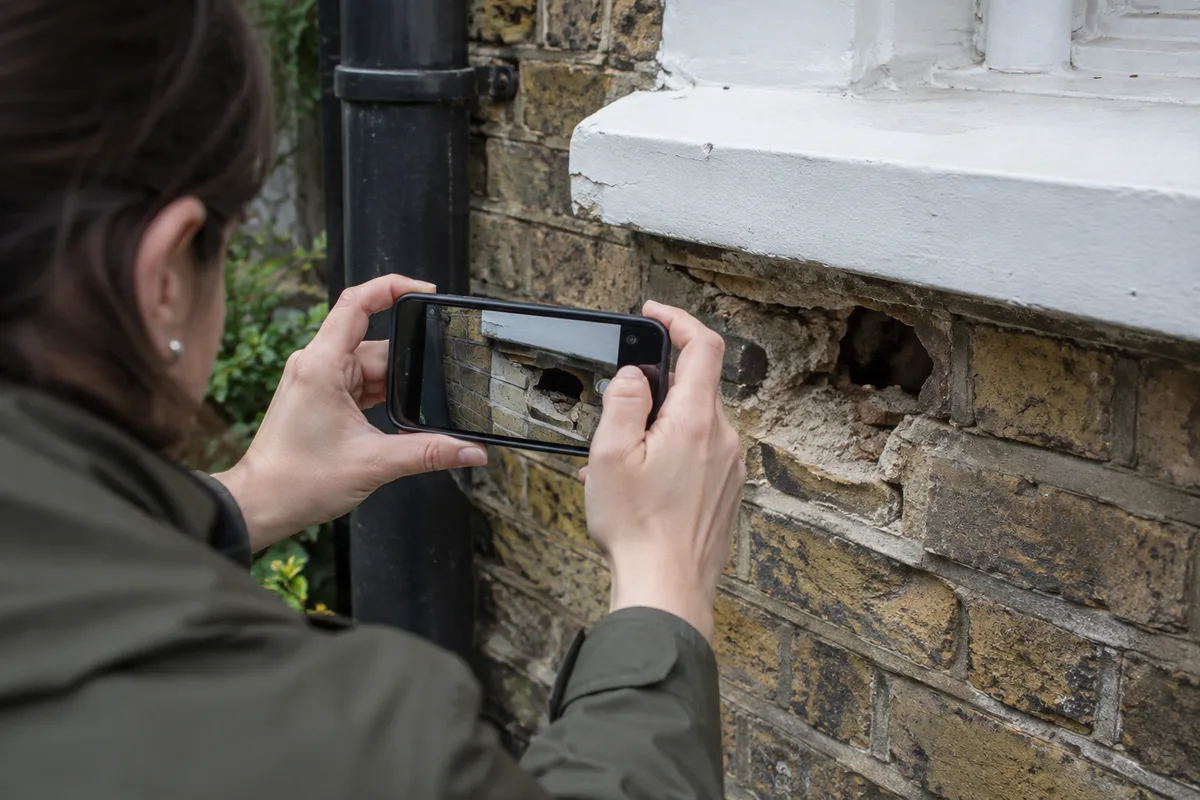
The provider’s brief should contain the observation, date, exact position, relevant images and access contact. A forwarded conversation full of guesses makes that information difficult to find. Mark unconfirmed interpretations as questions. For example, “possible route beside pipe; not inspected” is more useful than “all flats connected through this hole”. The first phrase lets an inspection test the concern; the second presents an unseen connection as fact.
Send repair findings to the contact responsible for the affected building element. Our proofing planning guide helps distinguish a proposed repair from a confirmed route. Keep private room details out of communal messages unless they are necessary and appropriately shared. Residents can receive relevant appointment or precaution information without everybody receiving another household’s full report. Agree who will collect clarifications so separate enquiries do not disappear into the general building conversation.
Close actions without deleting unresolved questions
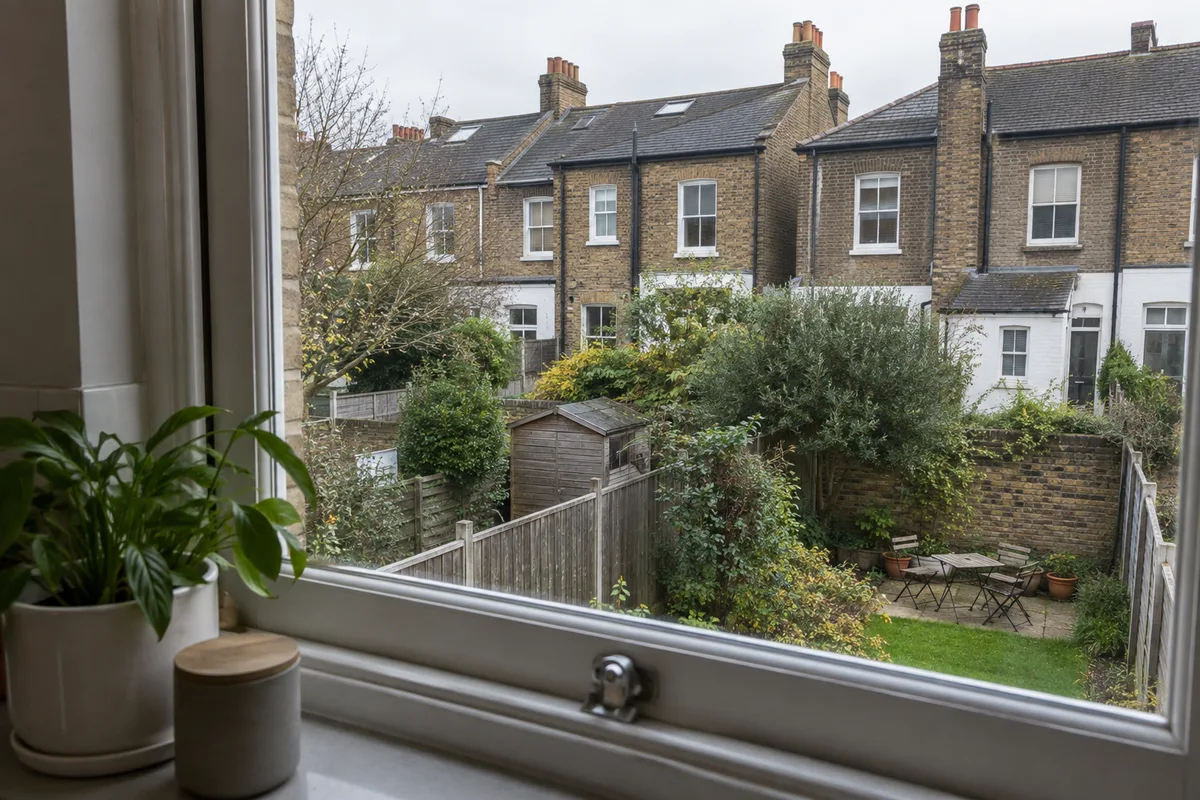
After assessment, update each entry with what was established, what was recommended and any recorded limitation. A repaired bin lid can be marked completed without implying the room enquiry is settled. A flat inspection with a locked cupboard should retain that access limitation. If new evidence appears, add the date and location rather than replacing the original record with a fresh building-wide claim.
This makes the next conversation more specific. The provider can be asked to review a new sign in an inspected kitchen, an unresolved shared area or an identification question that remains open. Ask what the proposed return visit will answer and whether it forms part of the agreed programme. For a Stratford booking, call with the postcode and the relevant entries ready. A reliable record supports coordinated action without turning different residents’ concerns into one unsupported account of the whole building.
Questions about pest control in Stratford
Do three forwarded messages count as three sightings?
No. Identify the original observation and record separate direct findings only where someone actually reports one.
Should a damaged bin and a kitchen sighting share one entry?
Keep them separately located and labelled. The inspection can assess possible connections rather than assume one.
Can the communal visit include a private bedroom?
Only if that enquiry, authority and access are specifically agreed. A shared-area booking does not automatically cover it.
What should the manager send to the provider?
The direct finding, date, precise location, useful images and authorised access contact, with uncertainty clearly marked.
When is an action complete in the register?
Record the specific completed task. Do not close a different unresolved inspection question merely because one defect was repaired.