
Pest Control Mile End
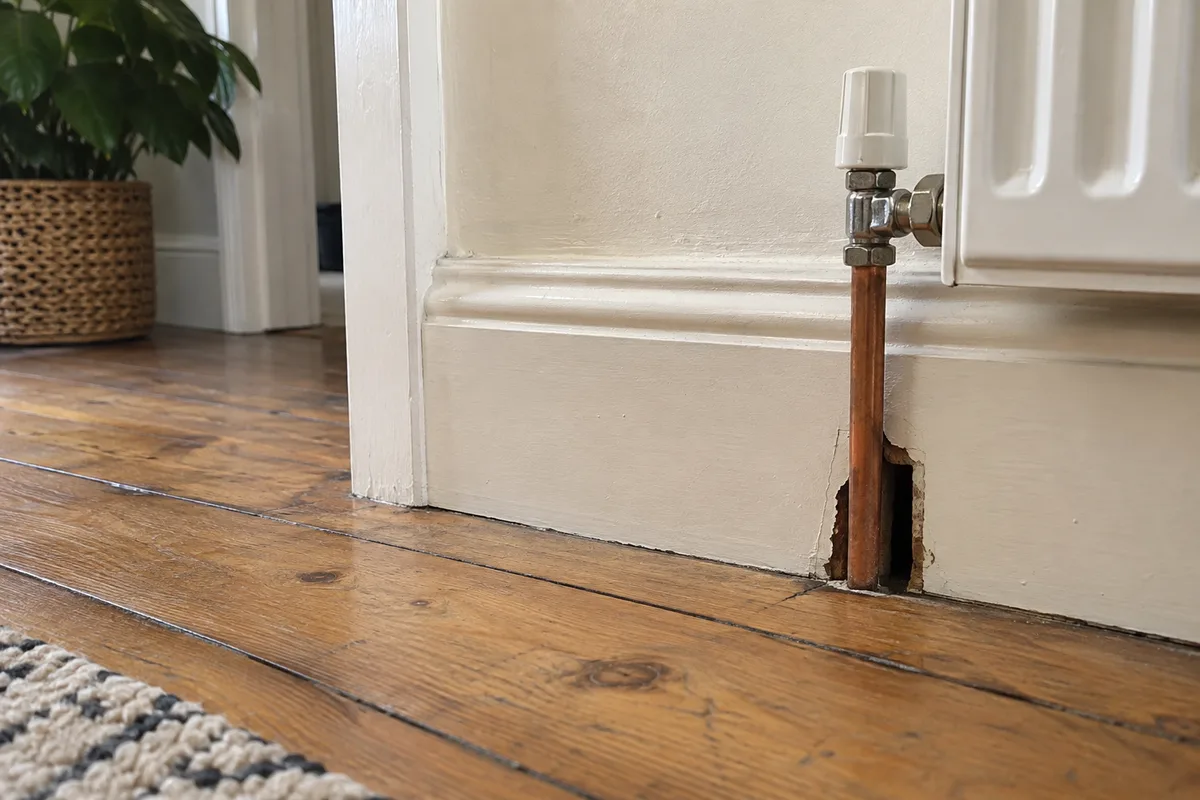
An opening beside a bathroom pipe can be worth inspecting, but it is not proof that rodents are using it. Establish the evidence and the purpose of the opening before any repair.
Describe bathroom signs separately from kitchen reports
Keep service connections untouched
Ask what the visible opening actually establishes
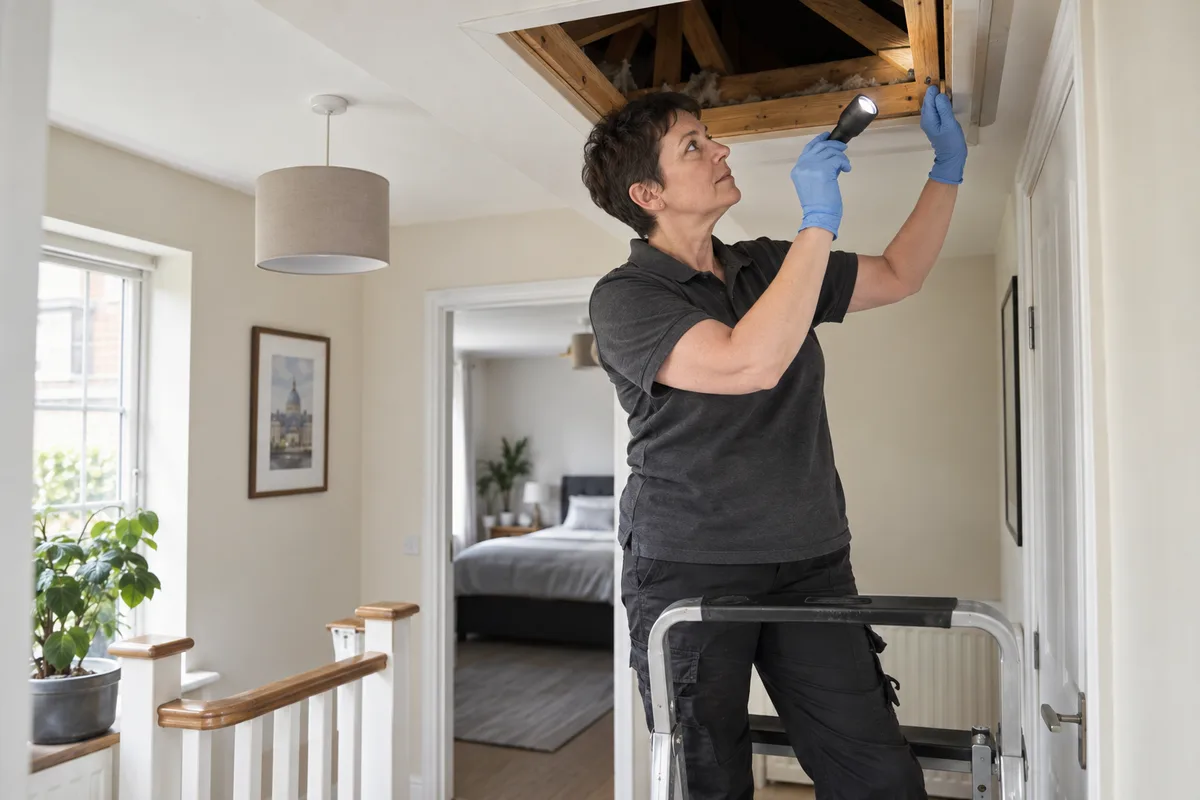
The opening and the evidence are different findings
Photograph the visible gap with enough context to show the pipe and bathroom location. Record any actual pest sign separately, including when and where it appeared. A hole discovered while cleaning may have existed for years without known activity. Do not state that an animal has used it unless there is evidence to support that conclusion. The provider can assess whether the accessible opening is relevant to the concern and explain any limitation.
Mile End Park is a local green space recorded by Tower Hamlets. Being near a park does not establish where an indoor pest originated, and should not replace a property inspection. For your enquiry, the practical local details are the full address, floor and accessible service arrangement. Explain whether the bathroom is inside your home or forms part of a shared or business premises.
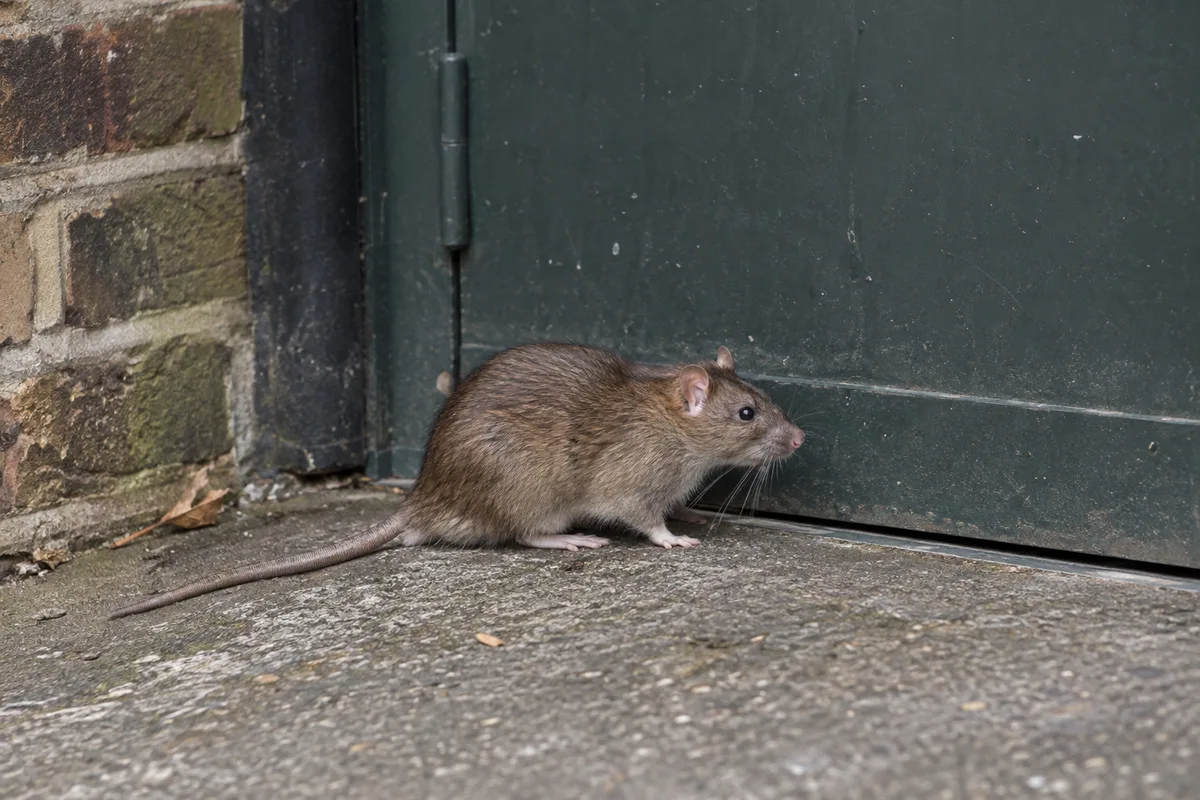
Bathroom observations need precise descriptions
A noise near a pipe can have causes other than pests. Note when it occurs and whether there are physical findings nearby. If droppings, damaged material or a sighting are suspected, record their exact location and date where safe. Avoid reaching behind a bath or removing a panel without knowing what it conceals. Damp debris around plumbing should not be automatically labelled as pest evidence from a photograph alone.
Our mouse assessment guide explains why physical signs and accessible routes need to be considered together. For a larger rodent sighting or different evidence, the rat inspection information provides relevant questions. Describe observations in other rooms independently so the provider can decide whether they may be connected or require separate assessment.
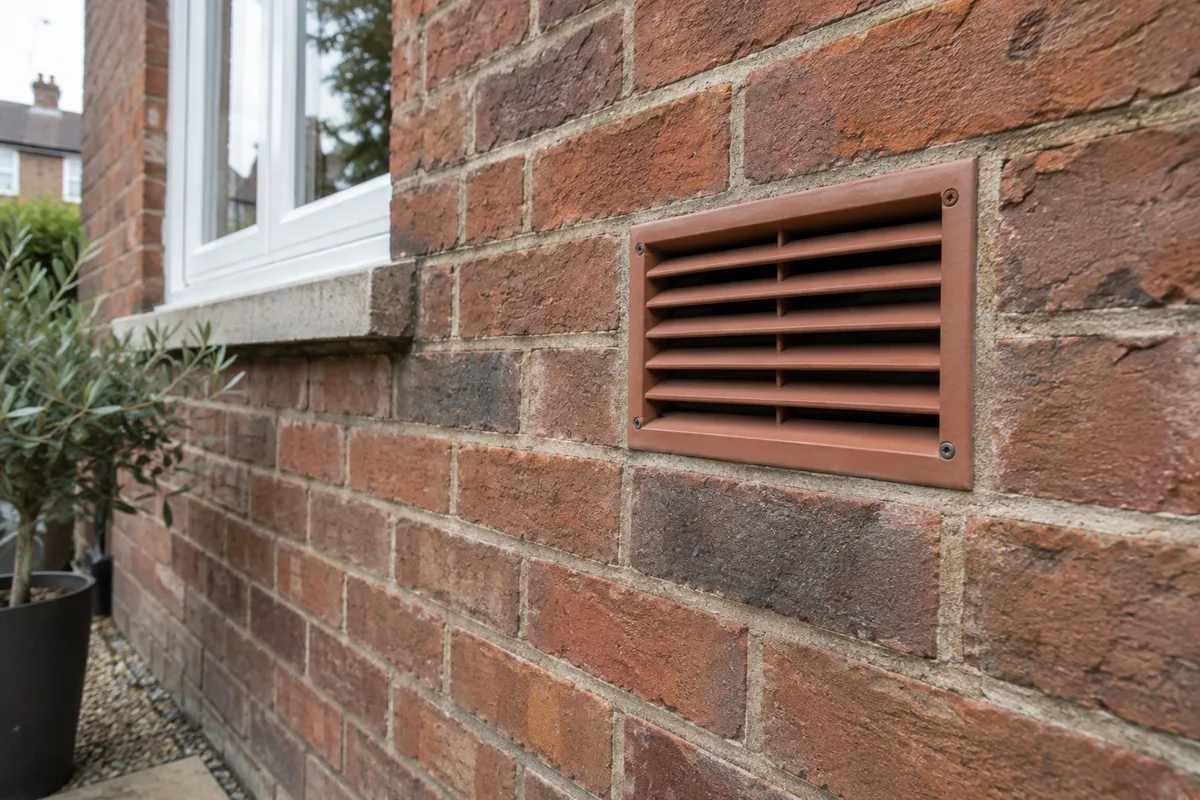
Arrange bathroom access without creating a plumbing problem
Tell the provider whether a panel is removable normally, whether fixtures are fitted over it and whether services are visible. A pest technician should not be expected to disconnect plumbing or alter electrical equipment. If safe opening-up is needed, identify the landlord or maintenance contractor who can arrange it. Agree whether the first inspection is limited to accessible surfaces or will follow a separate access visit.
In a managed flat, service routes may continue into communal spaces. Ask who controls those spaces and who can provide a key. A hole inside your bathroom does not authorise entry into a shared riser. Request a report that locates the finding clearly and states what remains uninspected. That record can help the responsible manager decide whether additional access is justified.
Give any maintenance contractor the inspection limitation as well as the opening photograph. This helps them understand whether access is needed for assessment, a repair has already been specified, or further evidence is still required.
A plumbing fault needs its own response
If there is a visible leak, damaged fitting or electrical concern beside the suspected opening, report it to the responsible maintenance contact. Do not hide it behind a pest-proofing patch. The pest provider can assess accessible evidence while the appropriate contractor deals with the service fault. Keep both findings identifiable in the record so one job is not mistaken for completion of the other.
Ask whether safe access should follow the maintenance repair or whether coordinated attendance is useful. A bathroom panel opened and refitted before assessment may leave the same unknown route. Record what was actually accessible and what was repaired, with dates and relevant photos. This helps the next review decide whether fresh evidence relates to an outstanding pest recommendation, a completed service repair or a newly observed location that needs separate examination.
Compare treatment and repair as separate tasks
Ask what pest the evidence supports, which areas the programme covers and what review is planned. Our service overview can help prepare the booking questions. A general treatment quote may not include repairing the opening or coordinating a plumbing contractor. Establish those boundaries before agreeing work, including who can approve further findings during the visit.
Discuss household precautions and cleaning instructions for the actual method. If a child, pet or another occupier uses the bathroom, make sure the relevant information reaches them directly. Do not assume the same instructions apply to a kitchen finding and a service-space concern. A programme should explain the rooms involved and what observations to report afterwards, not simply declare every pipe gap part of the same problem.
A suitable repair preserves the services
The guide to proofing service openings explains why material and location matter. A repair must not conceal a leak, obstruct maintenance or interfere with ventilation. Do not pack improvised material tightly around a connection because it is the first visible gap. Ask which work the pest provider recommends and which part needs a qualified maintenance contractor or the owner’s permission.
Keep photographs of the original opening and the completed repair, with dates. At follow-up, record fresh evidence rather than repeatedly reporting old marks. If signs appear elsewhere, identify the new room clearly. Call with your Mile End postcode, bathroom observations and available access to discuss an appointment. A useful assessment gives you a treatment decision based on evidence and a repair recommendation that addresses the actual opening safely, without claiming to have inspected an entire hidden service route through one small surface gap.
Questions about pest control in Mile End
Does a pipework gap prove rodents are entering?
No. The opening needs assessment alongside actual physical evidence.
Should I remove the bath panel?
Explain its arrangement and ask what safe access is required; do not dismantle around unknown services.
Can the gap be sealed before a visit?
Ask for assessment first so the opening and appropriate repair are understood.
Who can open a communal riser?
Arrange authorised access through the responsible manager or owner.
Is the park proof of the source?
No. Nearby open space does not identify the source of an indoor concern.