
Pest Control Peckham
A waste-area report is more useful when it names the container, location and finding. Keep the facts clear and identify the contact who can organise access and maintenance.
Locate the container and observation precisely
Separate waste defects from pest identification
Use the right manager or public reporting route
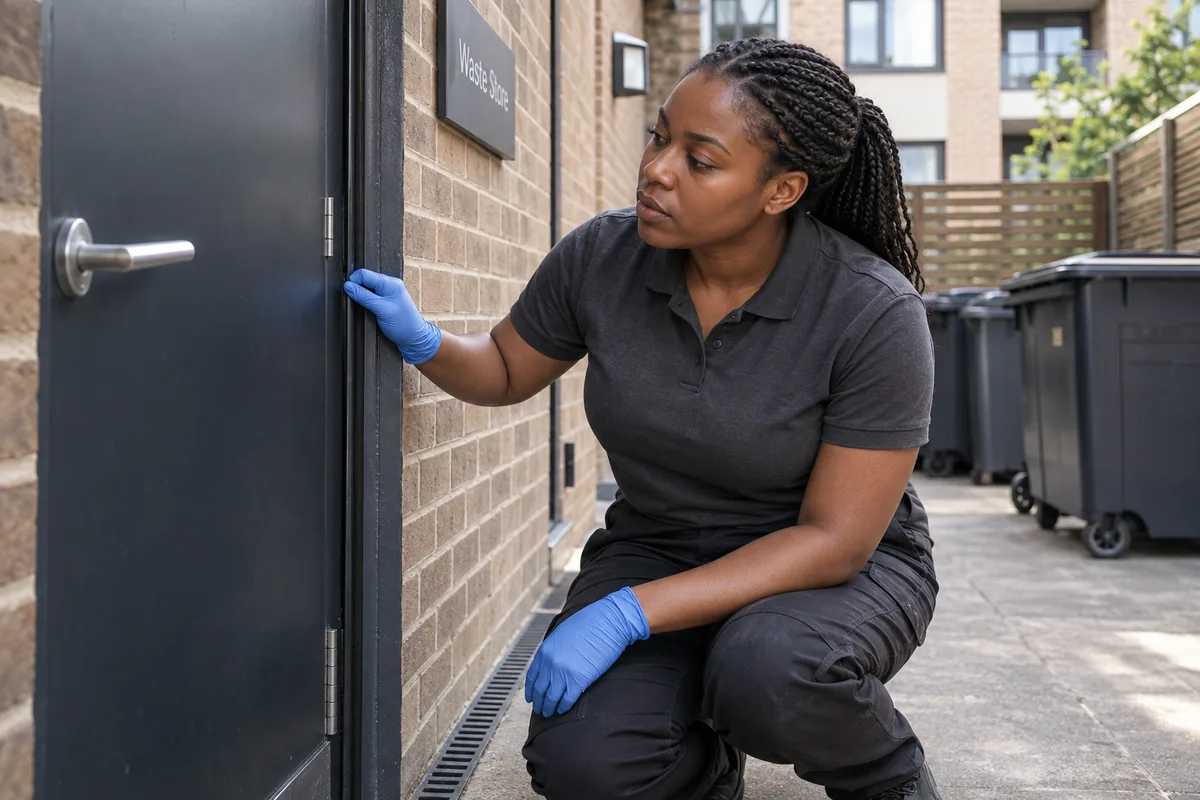
Report the finding without assigning a culprit ↓
Report the finding without assigning a culprit
A damaged bin, spilled waste and an animal sighting are related concerns to describe, but none identifies who caused them. Record the location, date and direct observation. If you have a safe photograph, include enough context to show the container and surrounding space. Avoid approaching an animal or handling suspect material. Do not turn an uncertain finding into an accusation about a neighbouring household or business.
Say whether the area belongs to your home, a managed building, commercial premises or public space. That identifies the next practical contact and the consent available for inspection. An outside sighting should stay separate from evidence inside an occupied room. Tell the provider about each indoor observation with its location and date, rather than claim that a waste issue proves entry into every nearby property.
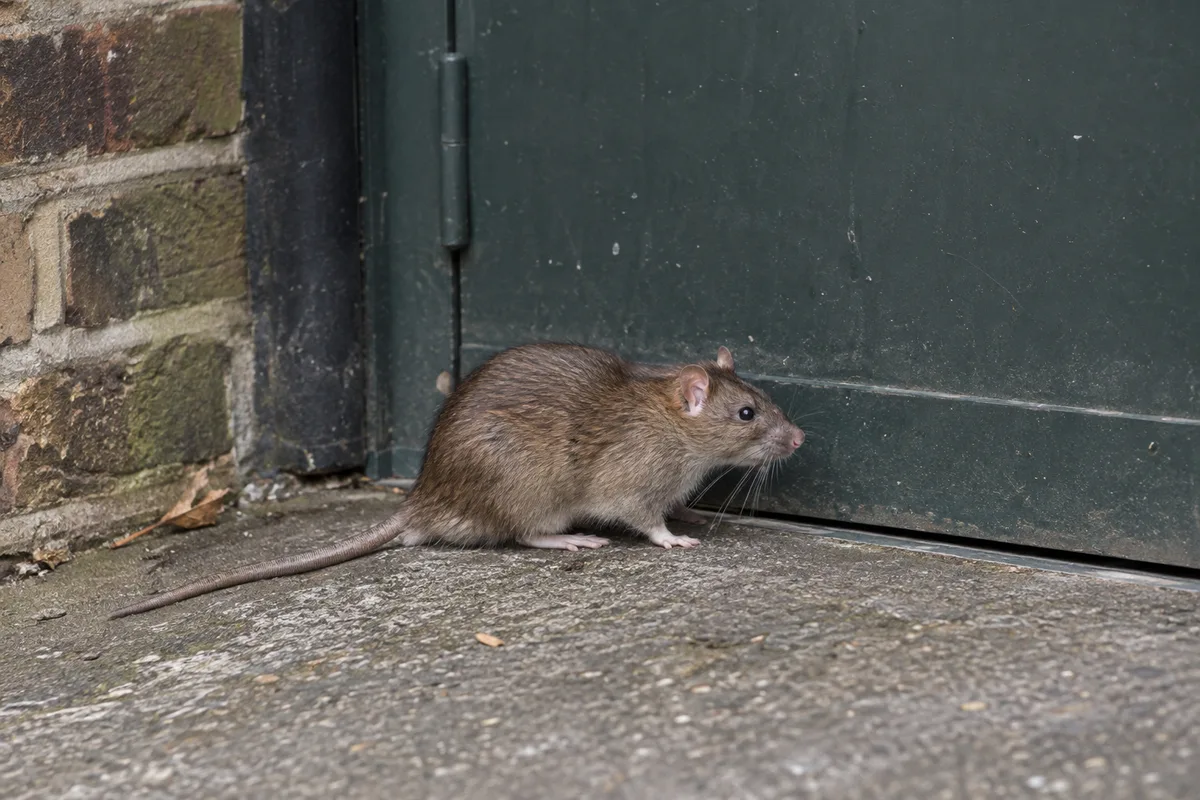
Use the appropriate local reporting route
Southwark Council has a reporting route for abandoned bins that are no longer used or are causing an obstruction. It asks for the location, type of bin and whether it is overflowing. For that specific public-space problem in Peckham, use the council’s relevant form rather than expect a private pest appointment to remove an abandoned container. Managed communal waste stores need their own building contact.
Keep a maintenance or waste report distinct from the pest assessment. A collection problem may need resolving regardless of identification, while direct findings at the premises need their own inspection questions. Do not move another person’s container, enter a locked waste store or promise access to council land through your booking. Explain which area is authorised and what access remains pending.
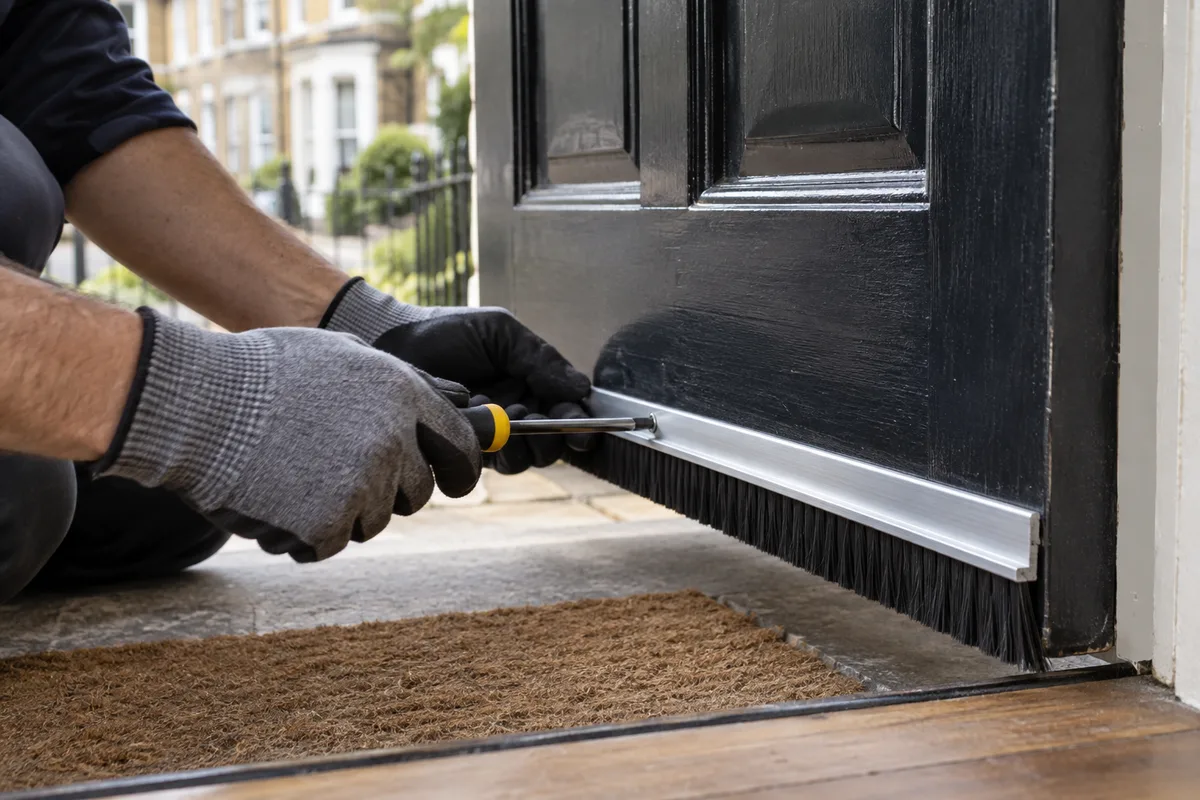
Let evidence guide the inspection scope
For suspected rats outdoors, the rat inspection and route-assessment information explains why a sighting does not automatically establish a drain defect or indoor infestation. Ask what findings support further investigation and what the proposed check will answer. If the concern is inside a kitchen, the mouse assessment guide helps describe packaging damage, sightings and accessible service gaps separately.
Tell the provider about existing products, traps or monitoring around the waste area and indoors. Include their positions and dates where known. Do not add retail treatment to a shared store or path while waiting for advice. Other people and animals may use the space, and the area manager needs to understand the proposed method, permissions and precautions.
Prepare safe access without redistributing the problem
Ask what needs clearing for the assessment and what should remain in its original position. Do not move suspect waste or unexamined stored items into another occupied room, unit or shared stair to make the area look tidy. Follow the appropriate waste arrangements and seek guidance relevant to the finding. Keep exits and routes usable, and mention any heavy container or unsafe surface that limits access.
Name the person who can meet the provider and explain the original report. If keys or manager consent are required, arrange them before attendance. A tenant reporting an overflowing communal store may not have authority to approve treatment there. Ask what the initial visit includes and how any additional proposal will be authorised. Preparation should follow the actual premises and method rather than a generic kitchen checklist.
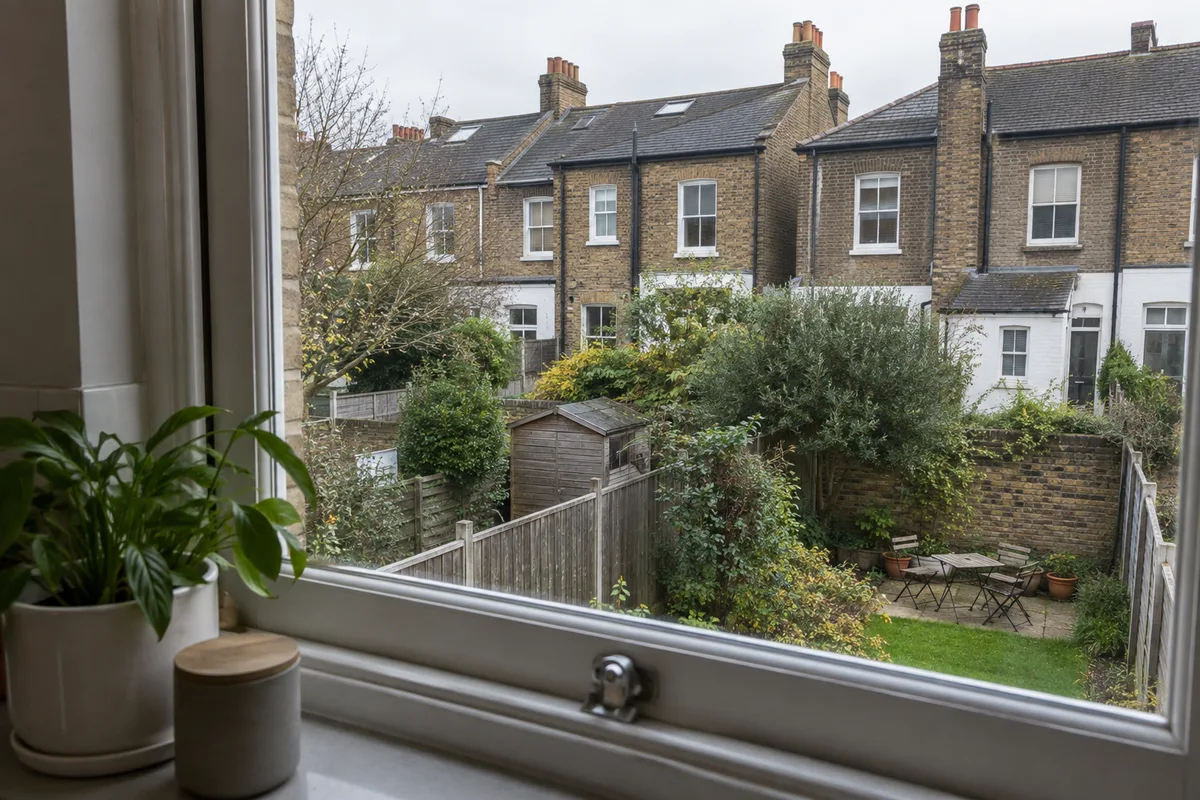
Link prevention to maintainable actions
Suitable storage, intact container lids and accessible cleaning can support prevention, but recommendations should identify the relevant feature and responsible contact. Ask which changes follow the findings and which are general maintenance. A damaged threshold or service gap at the building needs a different response from a waste container defect. Do not block necessary ventilation or interfere with services while attempting to exclude every possible animal.
The proofing and repair advice helps distinguish targeted building work from blanket gap filling. Keep completed repair and waste-maintenance dates with the assessment. If a container is replaced or store layout changes, tell the provider before review. A tidier area is a useful management improvement without being proof that every relevant building route has been examined.
Keep fresh observations useful for follow-up
After the visit, record new findings with dates and positions and distinguish them from old material awaiting appropriate removal or cleaning. Leave treatment or monitoring devices as instructed. Make relevant precautions available to staff, cleaners or residents using the area, without circulating unnecessary personal details. Report any device movement or damage rather than quietly replacing it elsewhere.
For urgent pest control in Peckham, give the postcode, current direct evidence and management boundary of the affected space. Confirm availability and the visit scope. Ask what observations need earlier contact and what the next review will consider. A factual record helps the occupier, manager and provider coordinate useful actions, while avoiding a programme built around blame, rumours or an assumption that every waste-area sighting belongs to an indoor problem.
Questions about pest control in Peckham
Can a private booking remove an abandoned public-space bin?
Use Southwark’s relevant abandoned-bin reporting route for that issue. A pest appointment does not automatically include public waste management.
Does an overflowing container identify the pest?
No. Record the defect and any direct pest observations separately so the appropriate actions can be assessed.
Should suspect waste be moved into the building for access?
Do not redistribute it into occupied or shared spaces. Agree suitable preparation and follow the appropriate waste arrangements.
Who authorises checks in a communal waste store?
Identify the responsible building manager or owner and arrange permission and keys before promising access.
What changes should be reported before follow-up?
Mention replaced containers, repairs, altered store layout and fresh findings, with dates and positions.