
Pest Control Brockley
A sound beneath a timber floor can locate a concern without identifying the cause. Keep direct findings separate and discuss access before lifting boards or filling gaps.
Record where and when a sound occurs
Leave fixed floors and services intact
Ask what evidence supports each repair
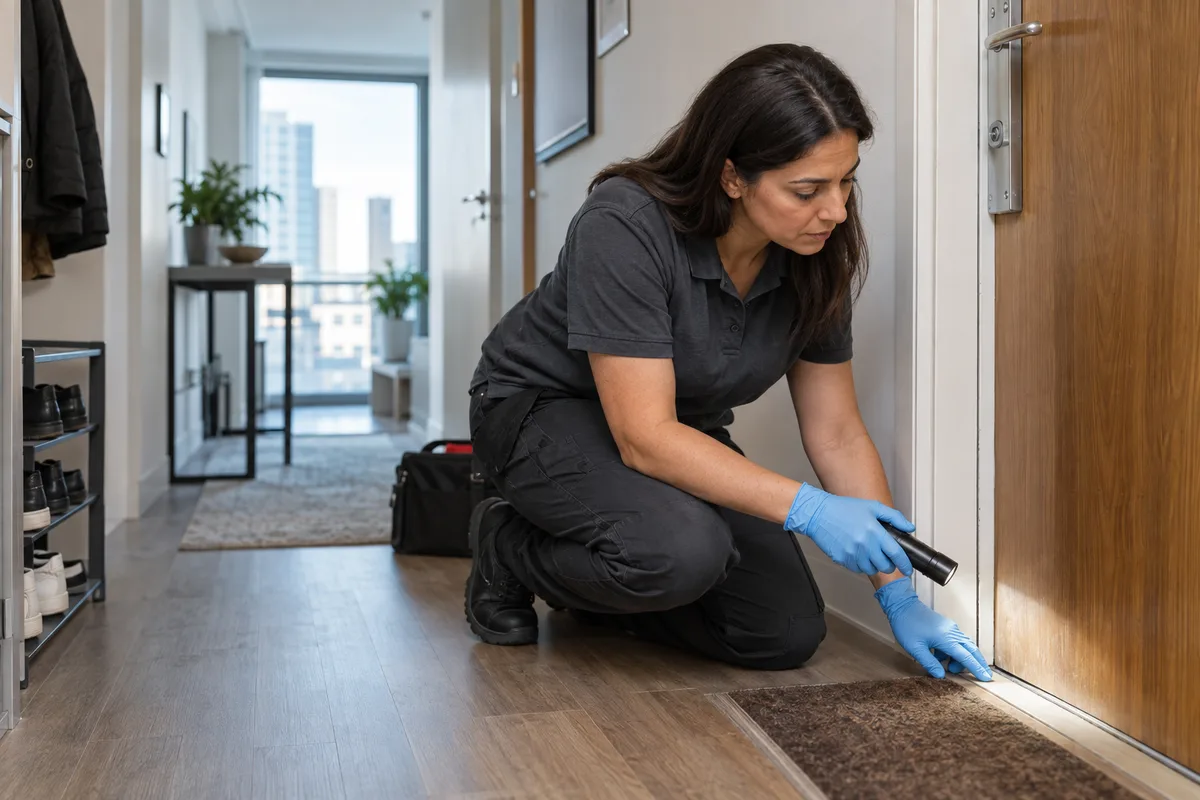
A sound under the floor needs a precise description
Note the room, approximate position and time when the sound was heard. Say whether it has happened again and whether somebody else heard it directly. A sound near the skirting is not proof of mice, rats or a route through a particular board. Include separate direct observations, such as a sighting or damage to food packaging, with their own dates. Do not combine them into a confirmed diagnosis before assessment.
If there is visible suspect material, photograph it from a normal safe position and ask for suitable cleaning advice rather than handle it. Tell the provider which parts of the floor are accessible and whether any designed inspection point exists. Avoid searching by repeatedly disturbing furnishings or opening a hidden space without knowing what services lie below. The initial enquiry needs useful observations, not a completed DIY investigation.
Local building detail makes suitable repairs important
Lewisham Council describes Brockley’s conservation area as a Victorian suburb with varied architectural styles and details. That is a reason to assess the actual feature and property status before altering floors or exterior fabric, rather than assume every local home can receive the same repair. Describe your building’s occupation and any known refurbishment. A floor that looks old may have later services or modifications beneath it.
Where work could affect protected features, the responsible owner should establish suitable approvals and professional methods. A pest recommendation should name the observed issue and purpose of the proposed change. It does not itself authorise lifting fixed boards, removing historic trim or opening a shared service space. Keep access and permission questions with the person able to arrange appropriate property work.
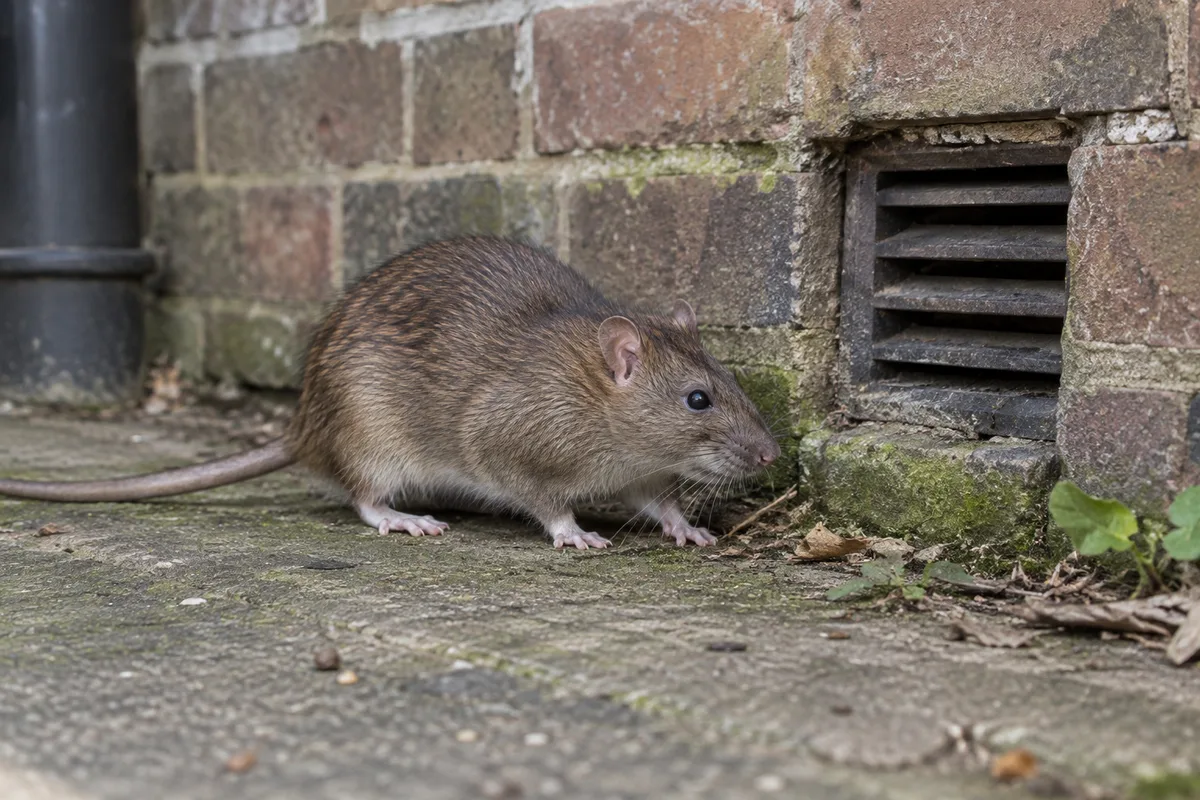
Accessible gaps do not establish the whole route
A visible skirting gap or pipe opening may be relevant to assessment, but it does not show the full path beneath the floor. Our mouse inspection information explains why room-level evidence and accessible checks matter. Ask the provider what findings support identification and whether an important space remains unexamined. If further access is proposed, ask what question it will answer and who needs to arrange it.
For a separate rat sighting outdoors, the rat route-assessment guide addresses different inspection considerations. Do not use that observation to identify a sound inside automatically. Mention earlier products, traps and repairs with their positions and dates. If devices have been moved while cleaning or decorating, tell the provider rather than assume their original placement is still part of the current record.
Preparation should protect floors and services
Ask which furniture or ordinary belongings need moving for the proposed visit. Explain heavy items or fitted cabinetry that cannot safely be shifted. Do not lift boards, cut a panel or remove a service connection to create access without suitable professional arrangements. A concealed floor space may contain electrical cables, pipes or other features that need to remain safe and functional.
Request instructions for the actual method and findings, including precautions relevant to pets, children and normal use of the room. If the space is rented or shares a building route, identify the responsible landlord or manager. Agree who can authorise work beyond the initial assessment. A caller available to unlock the door may not be the person who can approve a floor repair or wider inspection.
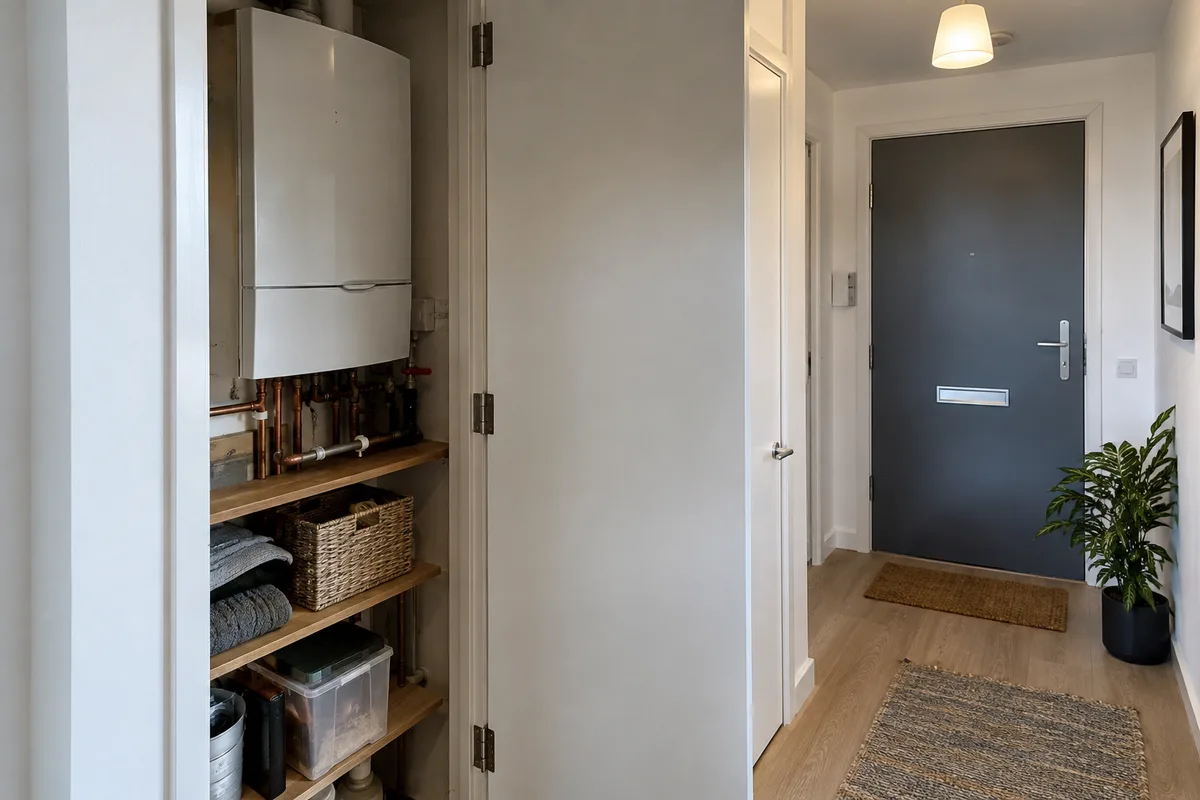
Prioritise the repair instead of sealing every seam
A timber floor contains joints and features serving different purposes; indiscriminate filling is not a substitute for assessment. Ask which opening is linked to findings, which needs further investigation and which is a general maintenance recommendation. Keep required ventilation and service access intact. The pest-proofing advice explains why a suitable repair needs to match the feature and evidence.
Request a clear location and intended purpose for work that another trade will carry out. Keep the completion date and available photographs with the assessment. If a repair reopens or decoration changes a feature, report that before review. A neatly finished seam can be a completed action without proving that every concealed route beneath the floor has been checked.
Use a review to compare current observations
Record fresh sounds and direct findings with dates, distinguishing them from older marks or damage left in place. Ask the provider what should prompt earlier contact and how observations will be considered at follow-up. Leave monitoring and treatment devices as instructed. If a room’s use, furniture layout or floor access changes, explain that before the next visit so the review reflects the current premises.
For urgent pest control in Brockley, give the postcode, direct evidence and any limitations on safe floor access. Confirm the next available appointment and what it covers. At the end of assessment, request findings, remaining limits and next actions in a usable record. The aim is to make decisions supported by evidence, rather than repeatedly open or fill a floor because a sound seemed to come from somewhere beneath it.

Questions about pest control in Brockley
Does scratching beneath a floor identify the pest?
No. Describe its position and timing alongside separate direct findings so the provider can assess the concern.
Should I lift boards before the appointment?
Do not disturb fixed floors or hidden services without appropriate professional arrangements. Discuss access first.
Are all gaps between boards entry points?
A visible joint alone does not establish a route. Ask which features are relevant to the inspection findings.
What if a repair affects protected details?
The responsible owner should check suitable permissions and methods before approving alterations.
Can a finished floor repair prove the whole void was checked?
No. Keep the actual scope and inaccessible spaces visible in the record, then review current evidence.