
Pest Control Forest Hill
A storage clear-out should preserve the information needed for assessment. Decide what can remain, what needs advice and what is genuinely being discarded before belongings leave the shed.
Keep each finding with its original item position
Separate disposal choices from pest identification
Avoid moving unexamined contents into the home
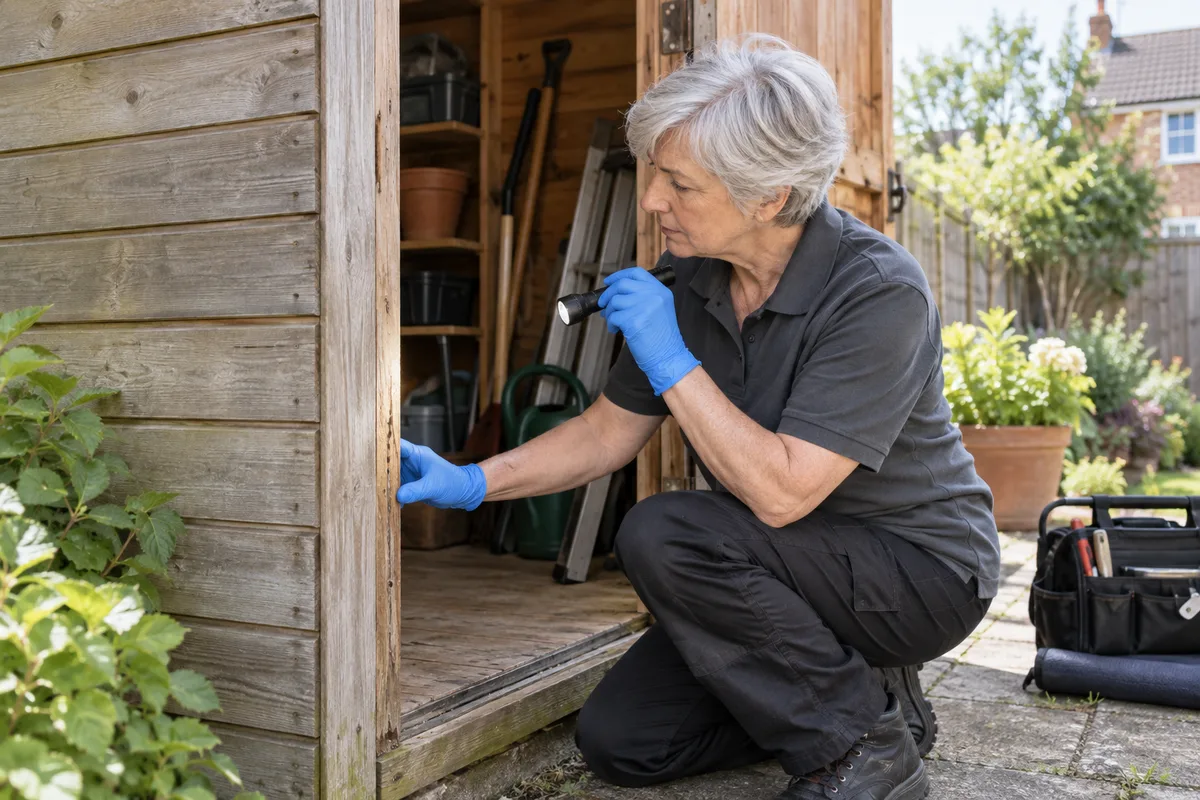
Make an item record before dismantling the stack ↓
Make an item record before dismantling the stack
Write down the item, its position and the finding that caused concern. A damaged cardboard box on the lower shelf, an insect on folded fabric and an animal seen outside the doorway are different observations. Give their dates separately. If the stored contents have not been checked recently, say so; discovering damage today does not establish that it happened today. Take a safe photograph with enough context to locate the item.
An illustrative clear-out record might have three entries: box of kitchen utensils, outer cardboard damaged, contents not examined; folded household textiles, insect photographed, identity unknown; sealed tool case, no reported sign, still in its original position. These entries do not diagnose a pest or declare an item safe. They preserve what is known so the provider can discuss appropriate assessment and handling before everything becomes an undifferentiated pile outside the shed.
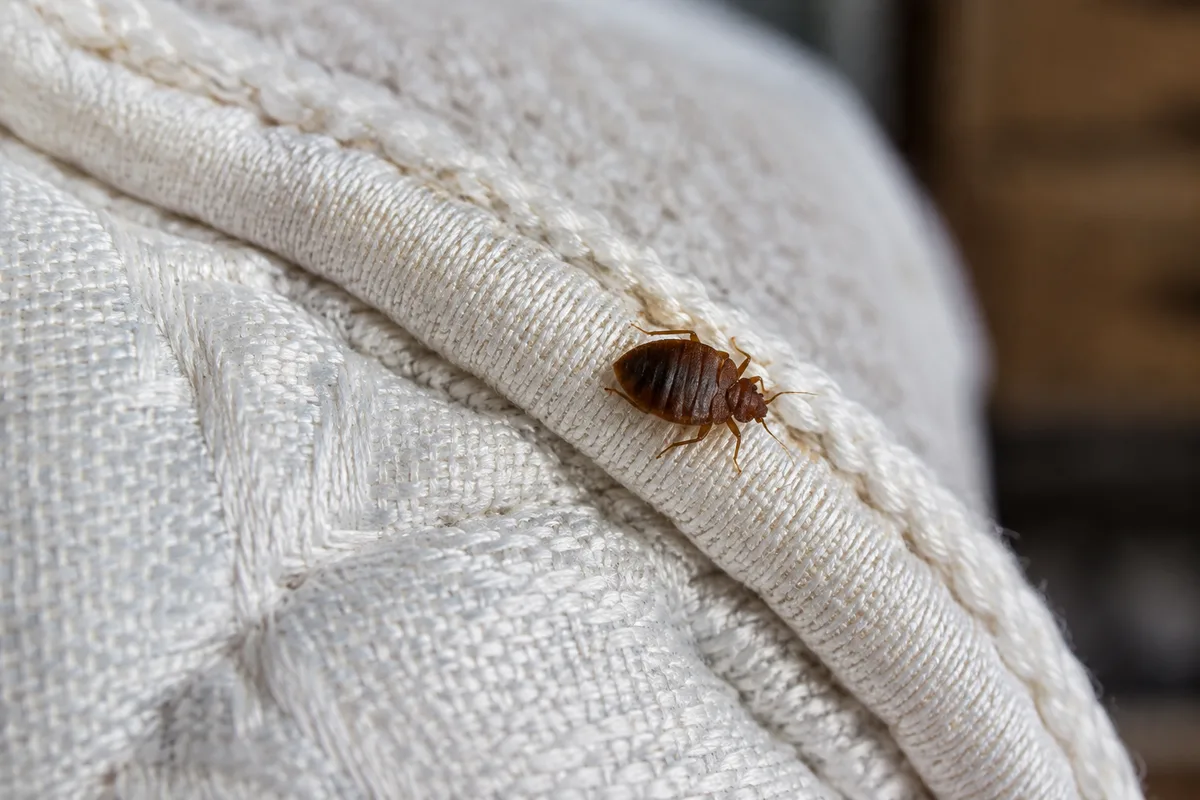
Use three decisions to organise the contents
Separate items that can remain available in their current position, items needing handling advice because of the finding, and items the owner independently wishes to discard. The last category is a decision about belongings, not proof that disposal will solve the pest concern. Ask the provider how relevant suspect items should be managed and which positions help the assessment. Do not decide that every object near a damaged box must be affected.
Avoid opening or shaking containers repeatedly to search for more signs. Do not carry unexamined contents into an occupied bedroom or neighbour’s home to create inspection space. If an item has already moved, add its destination and date to the record. A controlled process gives the provider useful locations and prevents an ordinary clear-out from erasing the context that prompted the enquiry.
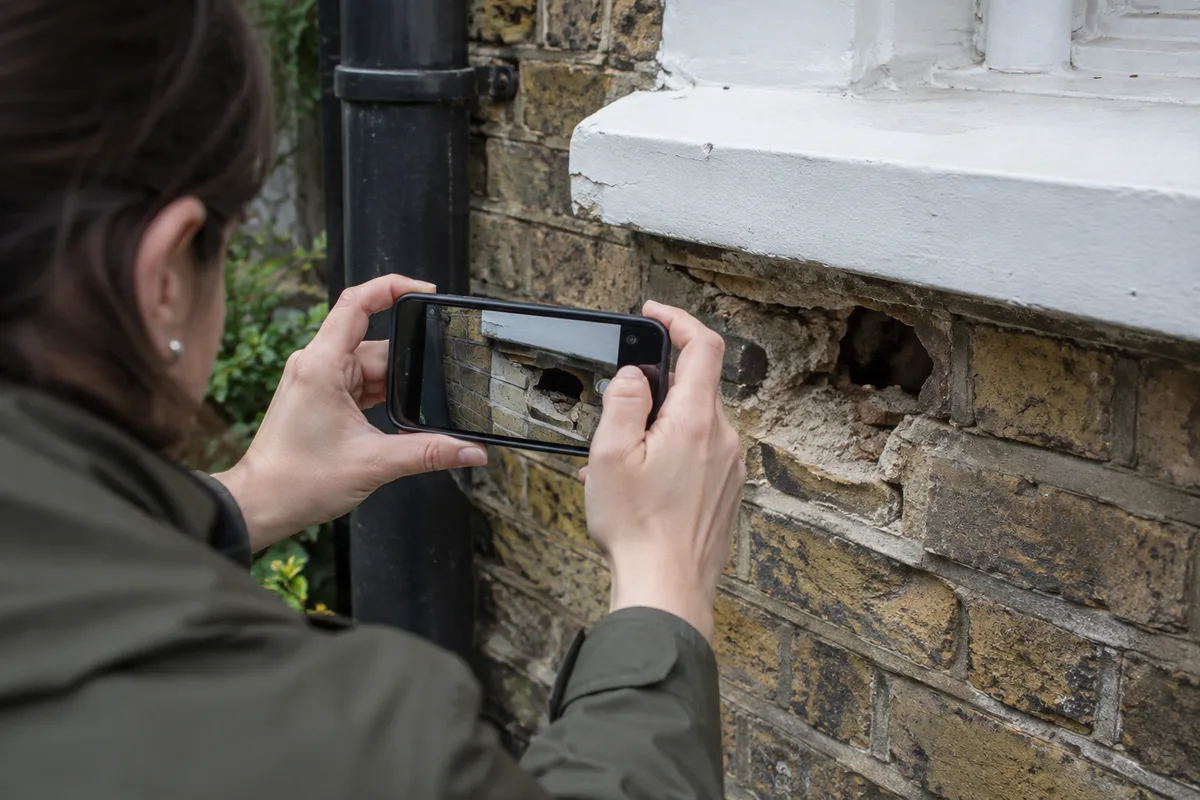
Keep identification questions attached to the finding
For packaging damage or suspected mouse signs, the mouse assessment information helps you describe evidence and accessible storage positions. If a larger rodent was actually seen, the rat inspection guide explains different questions about the observation and premises. Do not identify every stored-item mark from an animal seen elsewhere. Explain previous products, traps or devices with their dates and positions.
Ask what the assessment needs to establish before treatment is proposed. A damaged container does not show the age of activity, the condition of everything inside or the whole building route. Keep children and pets away from suspect material and seek suitable cleaning or handling advice. There is no need to touch a finding to make the report valid, and unsafe access to a weak shed floor or roof should not become part of a household search.
Plan disposal through the route for the actual item
Lewisham’s recycling and rubbish resource distinguishes bulky items, recycling, business waste and clinical or hazardous waste routes. A Forest Hill household clear-out should use the service appropriate to the contents. Check current acceptance and booking requirements instead of assuming every shed item belongs in a bulky collection or communal bin. Do not use furniture donation or resale as a destination for an item whose relevant pest concern has not been addressed.
Give the collection or disposal service an accurate item description where needed and discuss suitable handling of the pest-related finding with the provider. Storage equipment, household furniture and unknown products can need different arrangements. The availability of disposal does not identify the pest or justify discarding all nearby possessions. Keep what was removed, its date and destination with the original record so assessment does not depend on evidence that has silently disappeared.
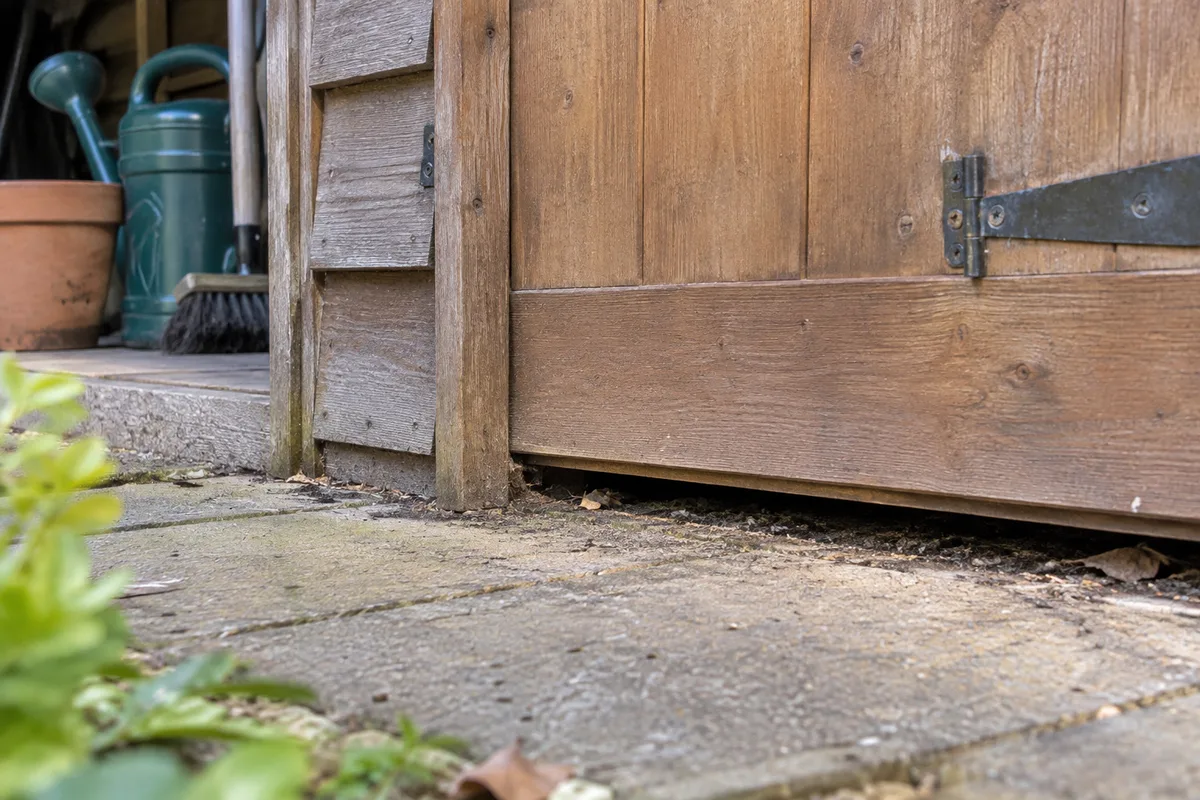
Decide whether the house needs its own assessment
A shed finding and a household enquiry should connect through evidence, not through the act of bringing boxes indoors. If there is a direct observation in the home, record its room, date and nature separately. If the only concern is stored-item damage outside, say that. Ask the residential assessment enquiry what scope is appropriate for the actual findings rather than automatically book treatment for every room.
If belongings were transferred before advice, tell the provider where they went. That movement can change the assessment questions without proving an infestation in the destination room. Keep the house record distinct from the shed item list. A clear scope should show what will be examined and any access limitations, allowing the provider to consider the present premises without reconstructing an uncertain history from a general account that everything was cleared.
Keep the retained items and record useful after the visit
Follow instructions for contents that remain and do not relocate monitoring or treatment arrangements while reorganising storage. Record any fresh finding with the item or position and date, separating it from older damage documented before the clear-out. Tell the provider about further disposal, moved shelving or changes to room use before review. Ask which observations should prompt earlier contact and what the next assessment will answer.
For urgent pest control in Forest Hill, give the postcode, direct findings and a concise account of items moved or discarded. Confirm availability and preparation. A useful outcome is an informed set of item decisions and an appropriate premises assessment, with important evidence preserved. It is not simply an empty shed and a full household room whose transferred contents nobody has recorded or discussed.
Questions about pest control in Forest Hill
Does disposing of one damaged box settle the pest concern?
No. Disposal is an item decision; identification and appropriate assessment still depend on the findings.
What should be recorded before a clear-out?
Keep item descriptions, original positions, findings, dates and uncertainty about age or contents.
Can apparently unaffected items be declared safe in the record?
Do not turn lack of a reported sign into an assessment result. Describe the observation and seek appropriate handling advice.
Can every shed item go through bulky collection?
Check the current local route and acceptance for the actual item, including any specialist waste category.
When should the home become a separate enquiry?
Describe direct indoor evidence or relevant belongings moved there, then ask what residential assessment scope is appropriate.