
Pest Control Deptford
A neighbour’s report can be useful without becoming evidence inside your own premises. Keep the two accounts separate and share only the facts needed for an agreed common question.
Label the origin of each observation
Let another occupier authorise their own enquiry
Share locations without guessing the cause
Write your own report before adding somebody else’s account ↓
Share a useful common message without circulating private material ↓
Update the record without rewriting the original observations ↓
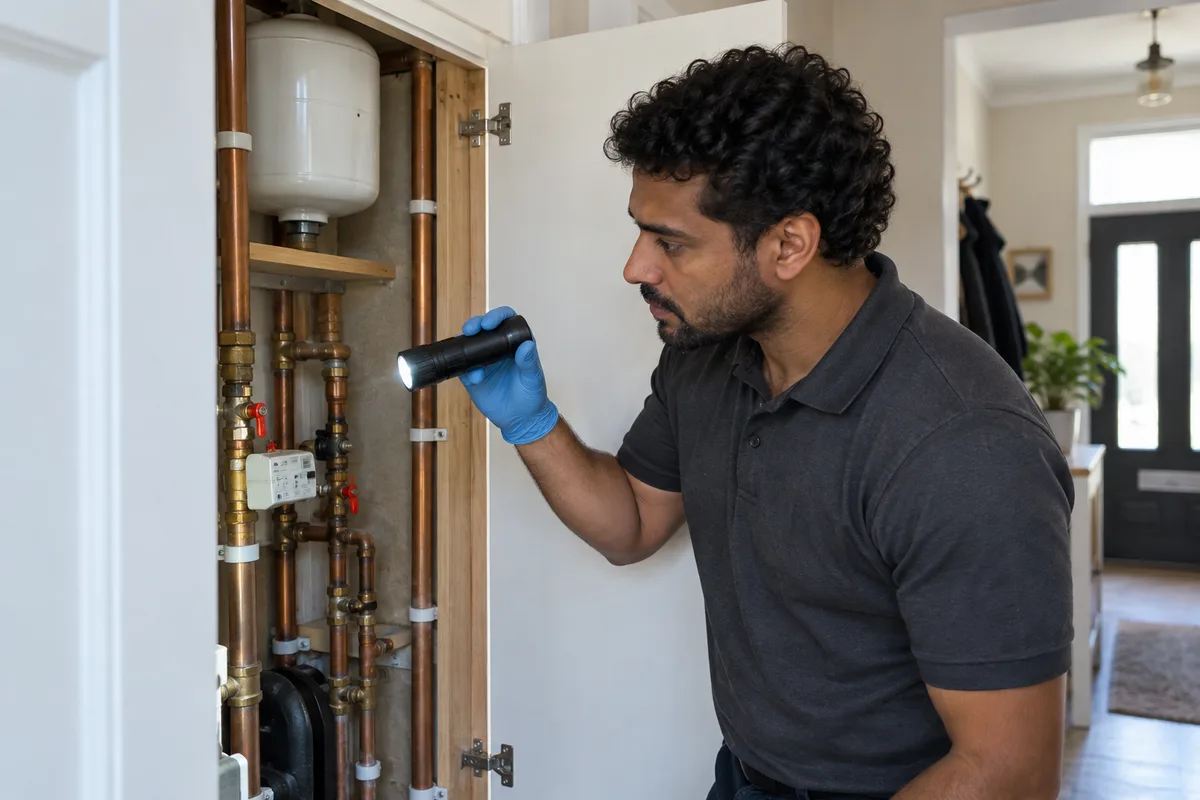
Write your own report before adding somebody else’s account
Start with what was observed in the premises you represent. Give the unit or room, date and exact position. Say whether you saw it directly or received the account from the original observer. A photograph can help where it can be taken safely without handling suspect material. Keep uncertain identification visible. Your enquiry should still be understandable if every neighbour’s message is removed from it.
Now add another occupier’s observation under a separate label, with their agreement and only the relevant detail. A sighting behind a shop is not a second sighting in your flat, and an insect in your stockroom is not proof of activity next door. Do not count repeated retellings as new events. The distinction gives the provider a clear factual basis for deciding whether there is any shared question to assess.
Use a two-report example to avoid a false connection
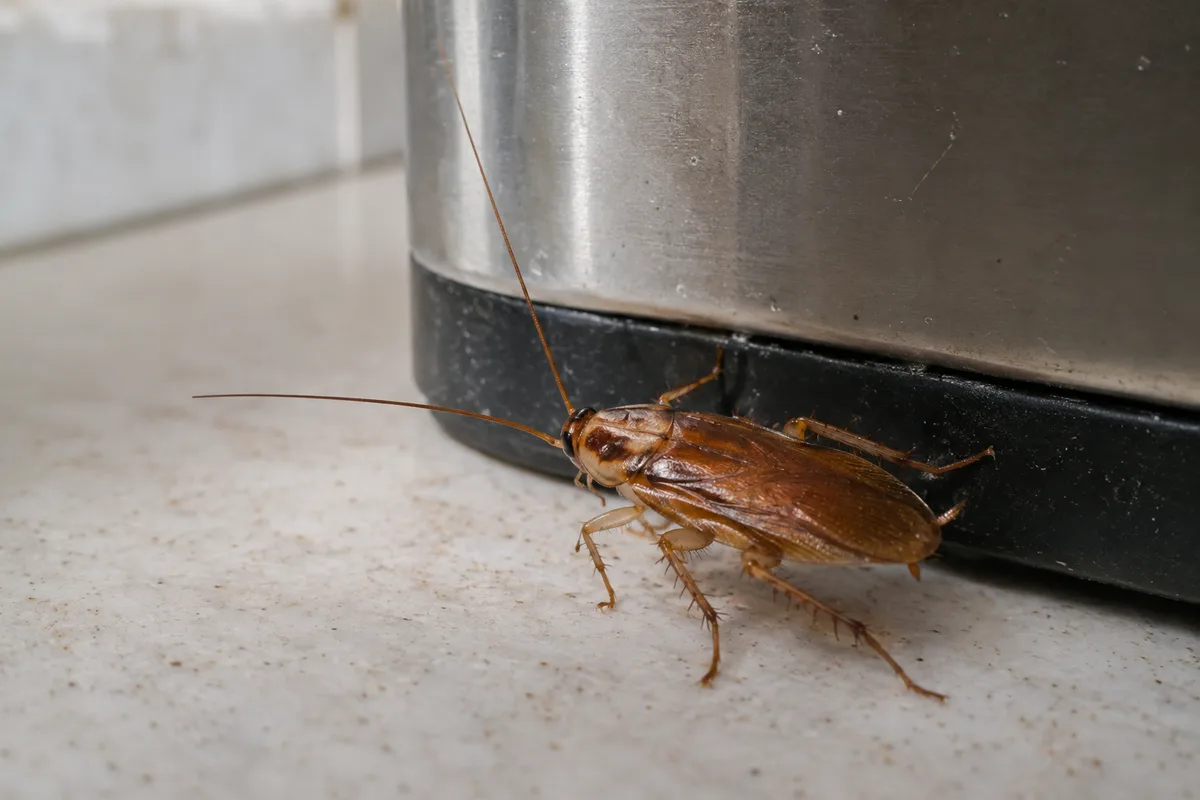
Consider an illustrative example: unit A photographs an insect beside a kitchen appliance on Monday; unit B sees a larger rodent in its private rear yard on Thursday. The known facts are the separate positions, dates and observations. Unknowns include insect identification, any connection between the events and any building entry route. Combining the entries into a statement that pests are moving between both kitchens would add claims neither occupier has established.
Unit A can use the cockroach assessment information to prepare questions about its insect and equipment access. Unit B can use the rat inspection advice to describe the outdoor sighting and boundary. They may agree to share limited observations with a manager, but that does not decide a common treatment or authorise access across both premises.
Let a neighbouring occupier open their own enquiry where needed
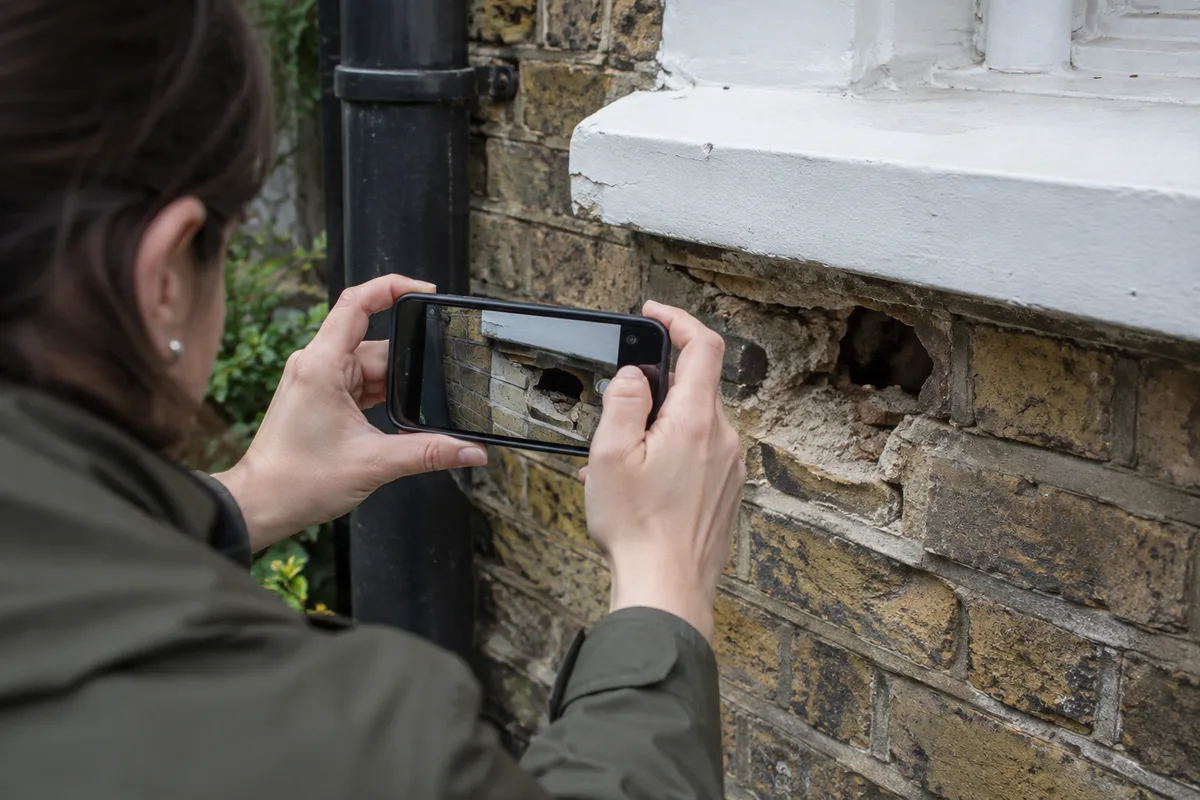
If the other occupier wants their room, stock or private outdoor space assessed, they need to supply its direct evidence, access and appropriate authorisation. You can pass on a contact route with their agreement, but do not approve work for them or promise their availability. A shop contact may not be able to consent for the home above, even where everybody uses the same postal address.
Our service enquiry guidance helps clarify the premises and scope. A neighbouring report might simply be contextual information at first; a requested assessment is a different task. Ask the provider to keep that distinction in the booking. Each occupier should know whether they are supplying information only, requesting inspection or considering a later proposal. Avoid a group message that leaves people unsure which decision they have actually made.
Share a useful common message without circulating private material
A common message can state the observed shared-area position, date and contact able to arrange access. It can identify a relevant opening or maintenance question without alleging a cause. Leave personal symptoms, private-room photographs and unrelated tenancy documents out of it. The provider may need individual information for an assessment, but that does not mean all neighbouring businesses or residents need copies.
Lewisham lists Deptford High Street and St Paul’s among its conservation resources. If a genuinely shared repair could alter protected exterior fabric, the responsible property contact should check the actual feature and appropriate approval. Keep the message focused on the observed defect and intended enquiry. A conservation name does not establish a connected pest problem, and a pest report does not itself authorise alterations across property boundaries.
State what would make a shared check a separate task
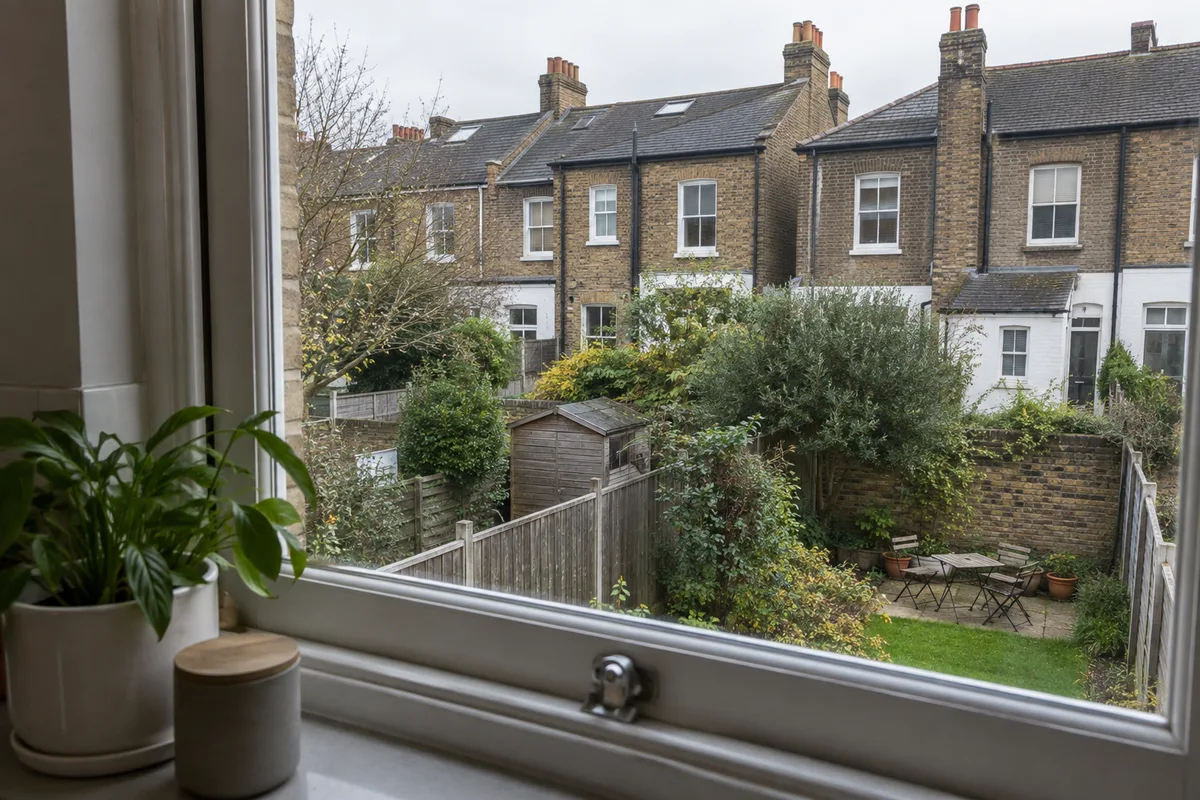
If assessment raises a relevant question about a common service space or external feature, identify its location, purpose and manager. Ask what the proposed check would establish and which consent is needed. Do not use uncertainty as permission to examine every neighbouring cupboard. Where access cannot be arranged, record that limitation instead of assuming the provider will resolve it by speaking to whoever happens to be present.
Keep preparation with each occupier’s actual instructions. Avoid moving unexamined stock or household belongings into the other unit to create access. Tell the provider about actions already taken, with dates and positions. A common appointment can be coordinated while the findings, preparation and authority remain separate; it should not dissolve the boundary that makes each report reliable.
Update the record without rewriting the original observations
After an assessment, add what was established and which spaces were examined. Leave the original finding and its source visible. If a connection is supported, record the basis explained by the provider rather than present it as something the neighbours always knew. If it remains unconfirmed, keep the enquiries separate. New observations should have their own dates and premises labels.
For urgent pest control in Deptford, give the postcode and the current direct finding in the premises you can authorise. Mention relevant neighbouring context as a separate account, and confirm availability and scope. The useful outcome is an accurate assessment or defined next question for each occupier. It should not be a street-wide story built by combining several uncertain reports and treating everybody’s shared concern as consent for the same work.
Questions about pest control in Deptford
Does a neighbour’s sighting count as evidence in my unit?
No. Label its actual location and source separately so any connection can be assessed.
Can I approve a visit to somebody else’s private room?
Arrange the appropriate authorisation through that occupier or responsible contact rather than promise access on their behalf.
What facts can neighbours share usefully?
Share relevant positions, dates and direct observations with agreement. Keep private details out of common messages.
When does a neighbouring report become a separate enquiry?
When that occupier seeks assessment or work for their premises, their own evidence, scope and authority need arranging.
How should an unconfirmed connection be recorded?
Leave it as an open question. Do not rewrite separate original sightings as one established building-wide problem.