
Pest Control Blackheath
A garden observation needs its own location and context. Describe any signs inside separately so the provider can judge what the premises actually need.
Record whether the sighting is within your boundary
Keep indoor evidence separate
Avoid disturbing wildlife or unsafe spaces
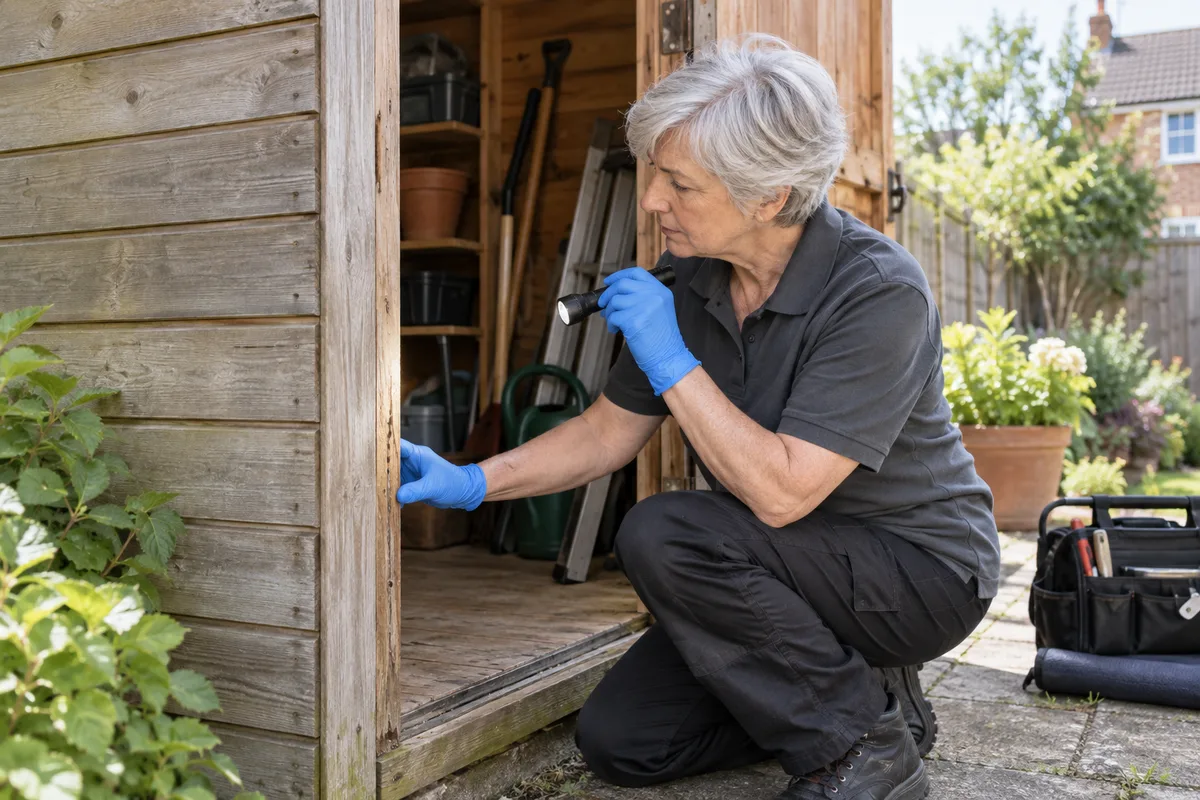
Describe the garden finding without adding a route
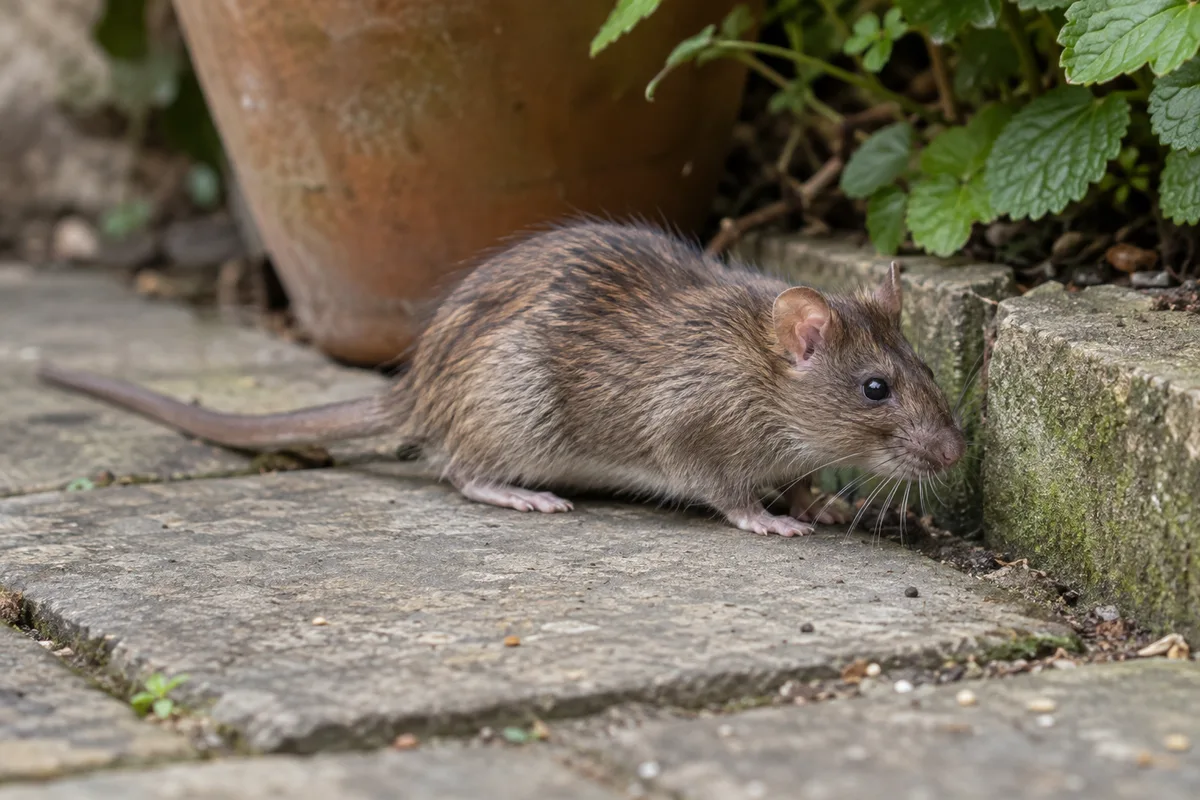
A brief sighting near a fence or stored item may be difficult to identify. Note the time, position and what you directly saw. Take a photograph only from a normal safe place, without approaching or chasing the animal. Say whether the event happened in your garden, communal grounds or beyond the boundary. A sound from vegetation is different evidence from a direct sighting and should remain described as such.
Do not assume a pest has entered the home because it was outside nearby. Record any separate indoor findings by room and date. A damaged packet, suspect material or scratching each raises different questions. Keep children and pets away from suspect material and ask for appropriate advice about precautions. There is no need to handle or disturb the finding to make the booking enquiry more convincing.
Know who manages the space involved
Lewisham Council describes Blackheath as green space crossing Lewisham and Greenwich, with the A2 marking the borough boundary on the heath. That is a useful reminder to identify the actual land and responsible contact when reporting an observation beyond your garden. The area name does not give a private caller authority to commission treatment on public or separately managed grounds.
For your own premises, explain whether the outdoor area is private or shared and who can approve inspection. Arrange consent and gate access with a building manager where necessary. Do not remove vegetation, dismantle boundary features or enter another person’s land to trace a possible route. The provider should assess the agreed spaces and explain any further enquiry needed rather than rely on an assumed connection with nearby open land.
Ask identification questions before choosing treatment
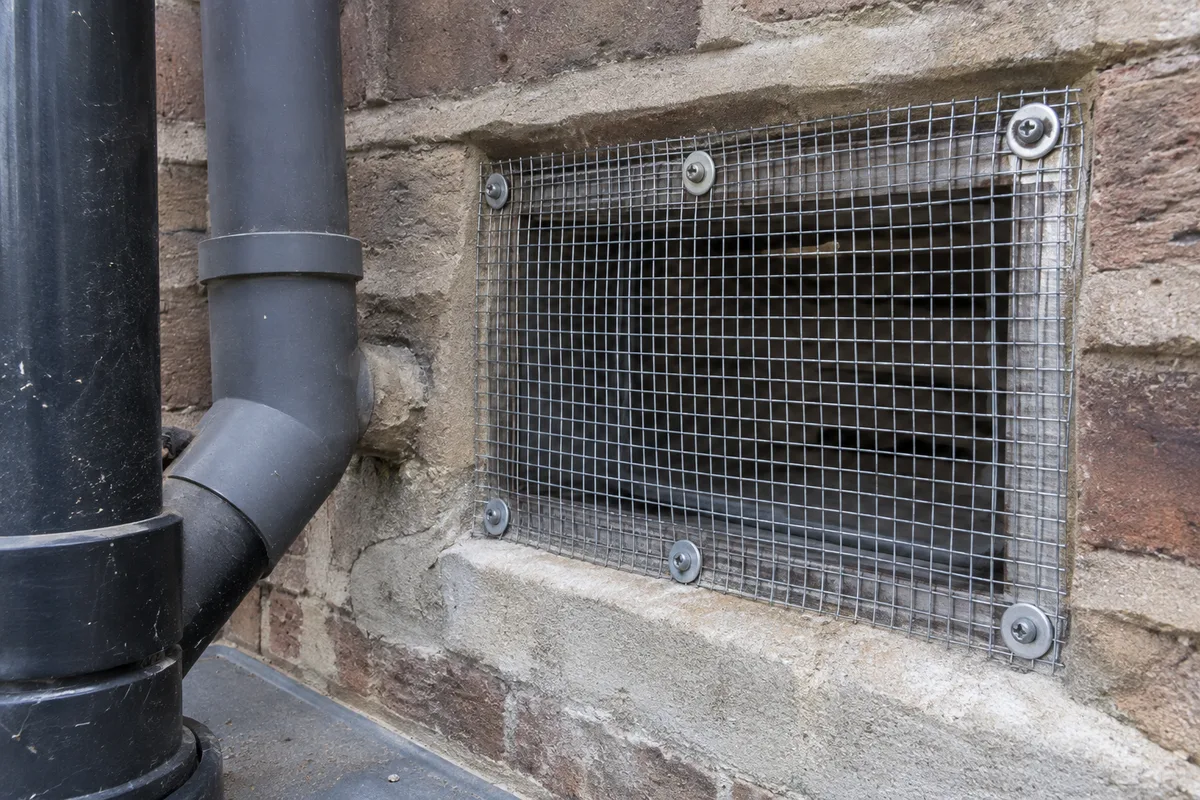
The rat control and route-assessment guide helps distinguish an outdoor sighting from evidence of building entry. Describe what was observed at the premises without assuming a drain defect. If the indoor concern suggests a smaller rodent, the mouse inspection information addresses room-level evidence and accessible routes. Do not merge the two enquiries solely because both happened in the same week.
Tell the provider about previous products or devices outdoors and indoors, including positions and dates. Avoid adding treatment to a garden or shared path while waiting for advice. The proposed programme should explain identification, relevant premises and precautions. A general product recommendation based on the location name would not answer those questions.
Use accessible maintenance checks sensibly
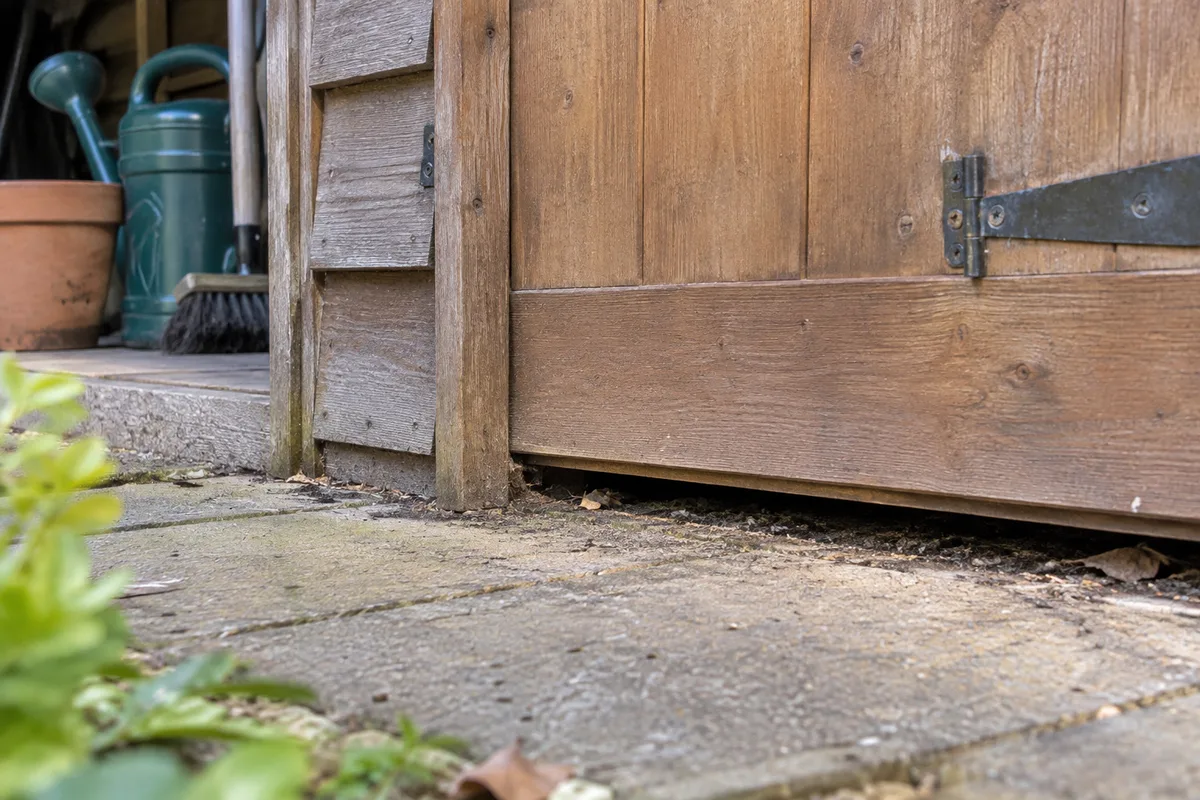
From a normal safe position, note damaged waste containers, an external door that does not close properly or a visible service opening. These can be relevant maintenance observations without proving the pest’s origin. Do not lift drain covers or reach into a hidden void. Explain anything that cannot be examined safely and ask what professional access would be needed if the finding makes it relevant.
Appropriate food and waste storage and manageable cleaning access can support prevention. Ask which recommendations relate to the assessment, rather than clear the entire garden in response to one uncertain sighting. Outdoor spaces also contain ordinary wildlife, and vegetation alone is not a pest diagnosis. Keep actions targeted to the premises and evidence, with the relevant owner deciding how building or boundary work should proceed.
Connect repairs to the actual building feature
A damaged threshold, service penetration and ventilation opening need different solutions. The property proofing guidance explains why required airflow and services must remain functional. Ask the provider which issue is supported by findings and which remains a possible route. A repair proposal should name the position and purpose so the responsible owner can arrange appropriate work.
Where protected features may be affected, check the particular property’s status and suitable approvals with the appropriate professional. Do not assume the whole of Blackheath follows one permission or building arrangement. Keep completed repair dates and any limitations on access with the assessment. An outdoor door repair is a recorded change to review, not proof that all concealed routes have been examined.
Plan the visit from the current concern
For urgent pest control in Blackheath, give the postcode, direct observations and whether the affected space is indoors or outside. Confirm the next available appointment and what can be included. Tell the provider about shared-area permission that is still pending. Ask for relevant precautions while waiting rather than commission an indoor programme merely because a pest was seen across the fence.
After assessment, keep a short log of fresh findings with positions and dates. Distinguish them from earlier damage or repeated photographs of the same material. Leave devices as instructed and report changes to garden storage, doorway repairs or room use before follow-up. The review can then consider what actually changed at your premises, avoiding a continuing assumption that every animal observed on nearby open space represents the same household problem.
Questions about pest control in Blackheath
Does an outdoor sighting mean my home needs treatment?
Not automatically. Describe any separate indoor evidence so the provider can assess the premises and appropriate scope.
Can I authorise treatment on the heath through a private booking?
No. Identify the responsible land manager for observations beyond your private or authorised premises.
Should garden vegetation be removed after one sighting?
Ask for targeted advice based on the assessment. Vegetation alone does not identify a pest or establish entry into a building.
Does the borough boundary determine an entry route?
No. It helps identify reporting responsibility for land, not how activity began at your property.
What garden changes should I report at review?
Mention altered storage, waste arrangements, doorway repairs and current observations with their dates and positions.