
Pest Control Greenwich
A suspected entry point should be assessed before a building feature is altered. Keep the finding, the proposed repair and the property’s approval requirements as distinct decisions.
Describe the opening without dismantling it
Check who can authorise the repair
Preserve ventilation and service functions
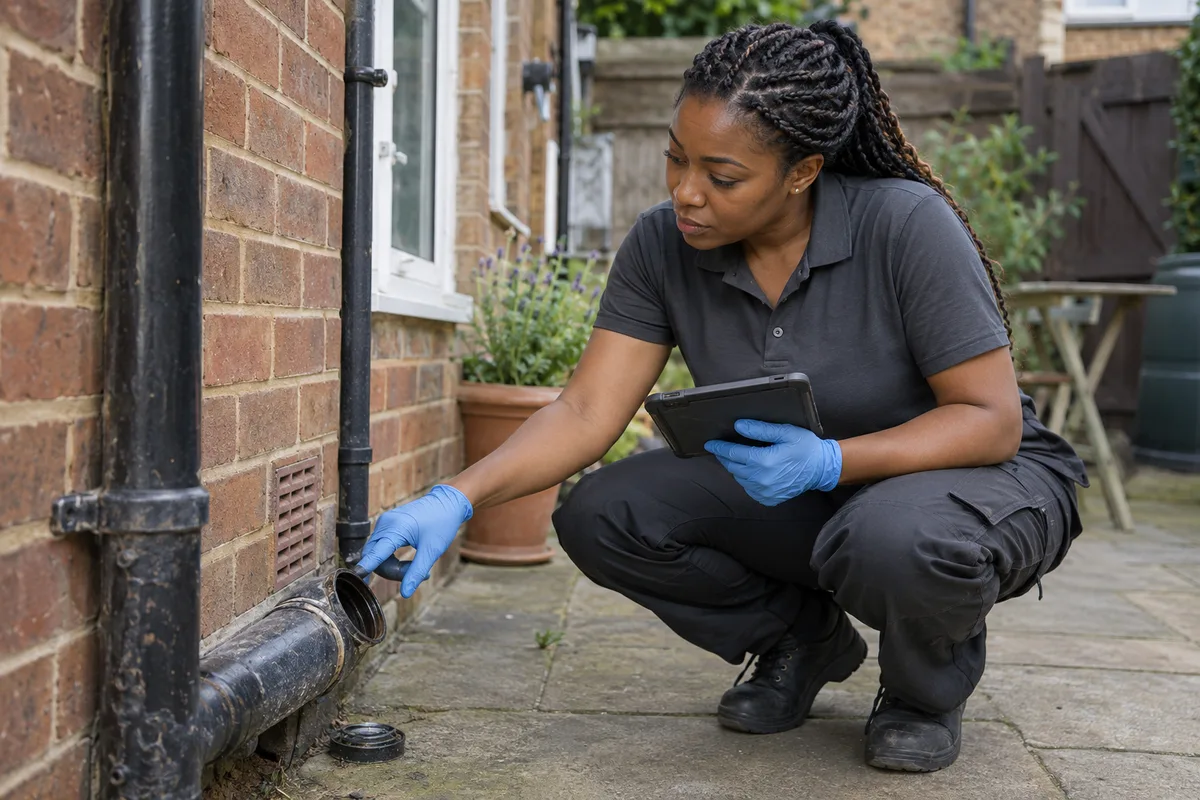
An opening is a question, not a diagnosis
A gap beside a pipe, an old grille or a worn threshold can attract attention after a pest sighting. Record the position and condition from a safe accessible place. Give the provider the actual observation that raised concern, including its date and room. A photograph of the feature helps explain its location, but it does not identify the animal or establish a complete route into the premises. Keep those uncertainties in the enquiry.
Do not remove trim, cut into boxing or loosen a connection to obtain a better view. Some features have a ventilation, drainage or service function that is not obvious from outside. Explain which designed access points exist and whether a maintenance professional can assist if needed. The initial assessment should distinguish what can be checked safely from what requires further authorisation and access.
Write a feature-specific repair brief before choosing the intervention
Use five entries: observed feature, supporting finding, intended repair purpose, function that must remain, and permission or owner check still needed. An illustrative entry might name the opening around a pipe beside retained trim, locate the current evidence separately, request assessment of that opening and note that the connection and maintenance access must stay functional. It should not direct somebody to remove the trim or fill the whole surface before suitability is assessed.
Royal Greenwich’s Greenwich and Blackheath repair guidance provides a relevant resource for repairs, alterations and maintenance of sensitive fabric. Use it with the actual property’s status and competent advice. A minimal-intervention question asks what appropriate change could address the assessed feature while retaining its necessary function and surrounding fabric. It does not promise that a particular material or technique is suitable. Record who checked permission, what remains undecided and any access limitation. Keep the pest finding and repair approval separate: neither proves the other. Pass this brief to the responsible owner or professional so they can evaluate a specific purpose, rather than an undefined request to seal an old building whose construction and protected details have not been examined.
Match the enquiry to the pest evidence
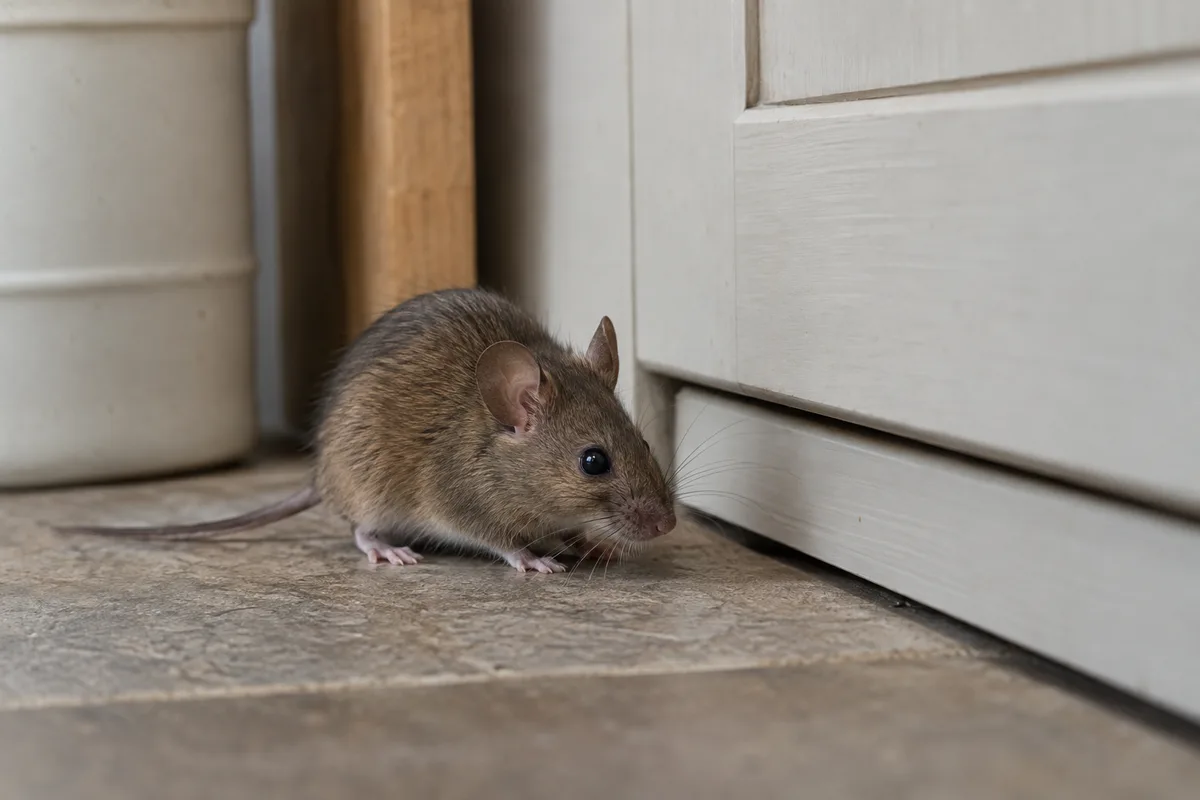
For suspected mice, our mouse inspection guidance helps describe packaging damage, sightings and room-level signs. Tell the provider about accessible kitchen gaps without assuming each one was used. For an outdoor rat report, the rat route-assessment information explains different questions about property boundaries and further investigation. A nearby sighting does not itself prove a fault in a drain or old wall.
Mention prior products, monitoring and repairs, with their locations and dates. A previous filler patch may be relevant to reviewing a feature, but it does not identify the current pest. Ask what findings support the proposed programme and which important spaces remain unexamined. This keeps treatment decisions based on assessment rather than the appearance or age of the building.
Prepare access without sacrificing the surroundings
Tell the provider about fixed cabinetry, delicate finishes and furnishings that cannot safely be moved. Ask what space is needed around the relevant feature and what should remain in place for assessment. Do not undertake a broad clear-out or dismantling job simply because it appears on a generic checklist. Explain children, pets and ordinary use of the rooms when discussing preparation for the actual proposed method.
Where a flat or business uses shared service spaces, identify the manager who can approve access and provide keys. A caller’s permission for their own unit does not cover another occupier’s room or the entire façade. If a feature cannot be examined during the visit, ask for the limitation to be recorded. Further access should answer a defined question and be arranged through the appropriate contact.
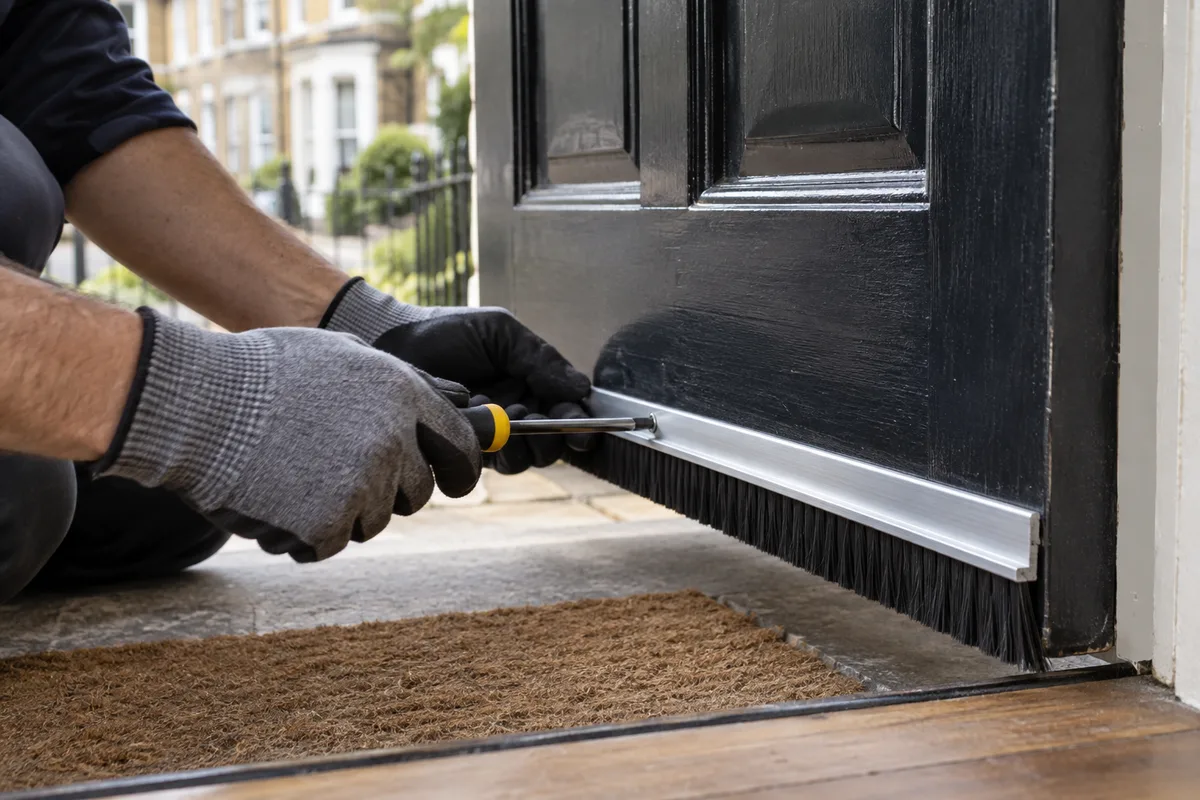
Choose the repair by function and findings
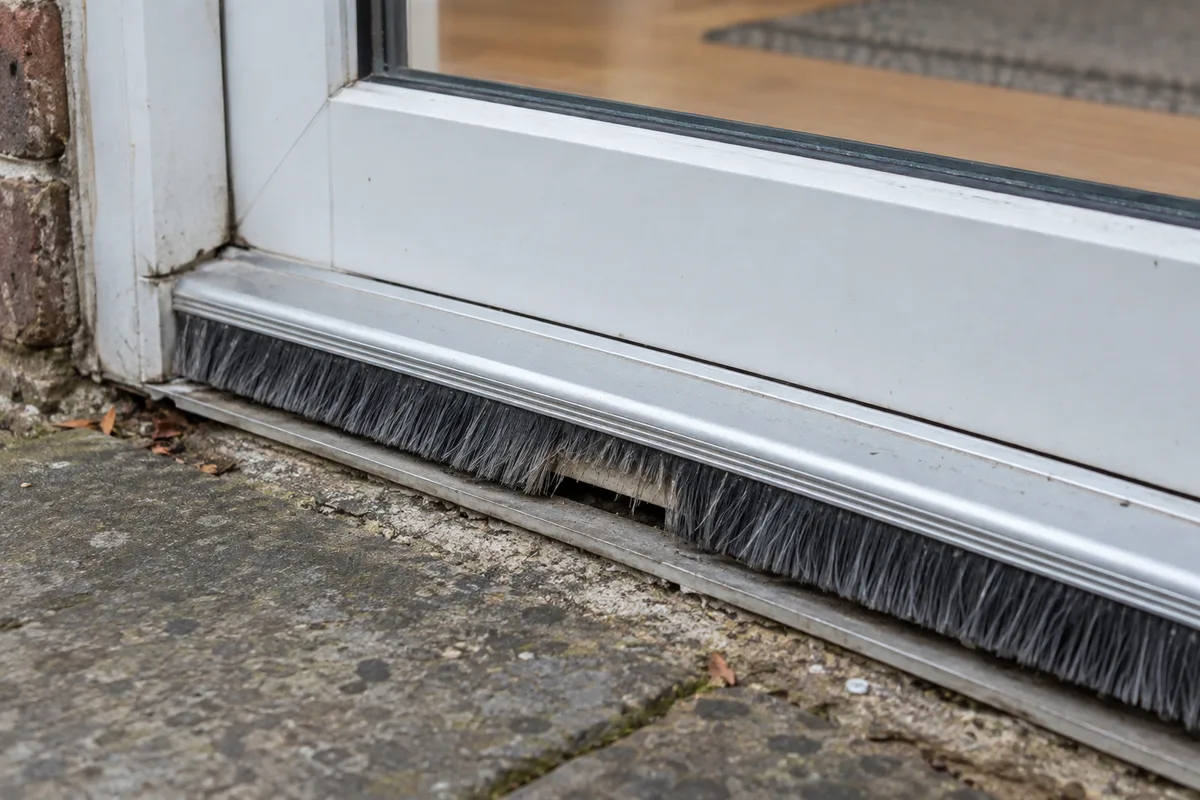
A ventilation feature should retain required airflow; a service opening needs a solution compatible with the connection and maintenance requirements. A threshold repair must allow the door to work properly. Ask which recommendation addresses established evidence and which is a possible prevention measure. Do not approve identical filler work for every visible gap without knowing its purpose or suitability.
The pest-proofing guide explains why building maintenance supports a programme without replacing identification. Request a priority list and clear handover for another trade where appropriate. Keep completed repair dates and available photographs with the assessment. If the repair cannot be authorised immediately, discuss what monitoring or other programme steps are appropriate while that decision is outstanding.
Review the result without overclaiming the scope
Record fresh observations by location and date after the visit, keeping them separate from old signs awaiting cleaning. Ask for suitable cleaning advice and leave devices as instructed. Tell the provider about any subsequent building work, reopened panel or altered doorway before follow-up. Those changes matter to evaluating the programme even if the property’s appearance is much the same.
For urgent pest control in Greenwich, give the postcode, direct finding and practical access arrangements. Confirm availability, preparation and the initial scope. At review, ask which findings were established, what remains inaccessible and which actions are next. A carefully recorded repair to one feature is a useful step, but it should not be described as evidence that every concealed route or protected part of the building has been inspected.
Questions about pest control in Greenwich
Does a visible gap prove pest entry?
No. It is a feature to assess alongside the actual findings and other relevant evidence.
Can proofing alter a protected building feature automatically?
The responsible owner should check suitable permissions and methods before approving work to sensitive fabric.
Should an old ventilation grille be covered?
Required ventilation must remain functional. Ask for a repair suited to the feature and inspection findings.
What if the repair needs another trade?
Request the feature’s location, observed issue and intended purpose so the appropriate professional can plan suitable work.
Does one repaired opening establish a clear property?
No. The assessment scope, remaining limitations and current observations still need considering at review.