
Pest Control Shepherd’s Bush
An insect behind stock or beside a display fridge can be difficult to relocate after a busy shift. Record the shelf and equipment position before changing the storage arrangement.
Label findings by shelf or fixed equipment
Keep delivery and stock movements traceable
Arrange competent access behind connected appliances
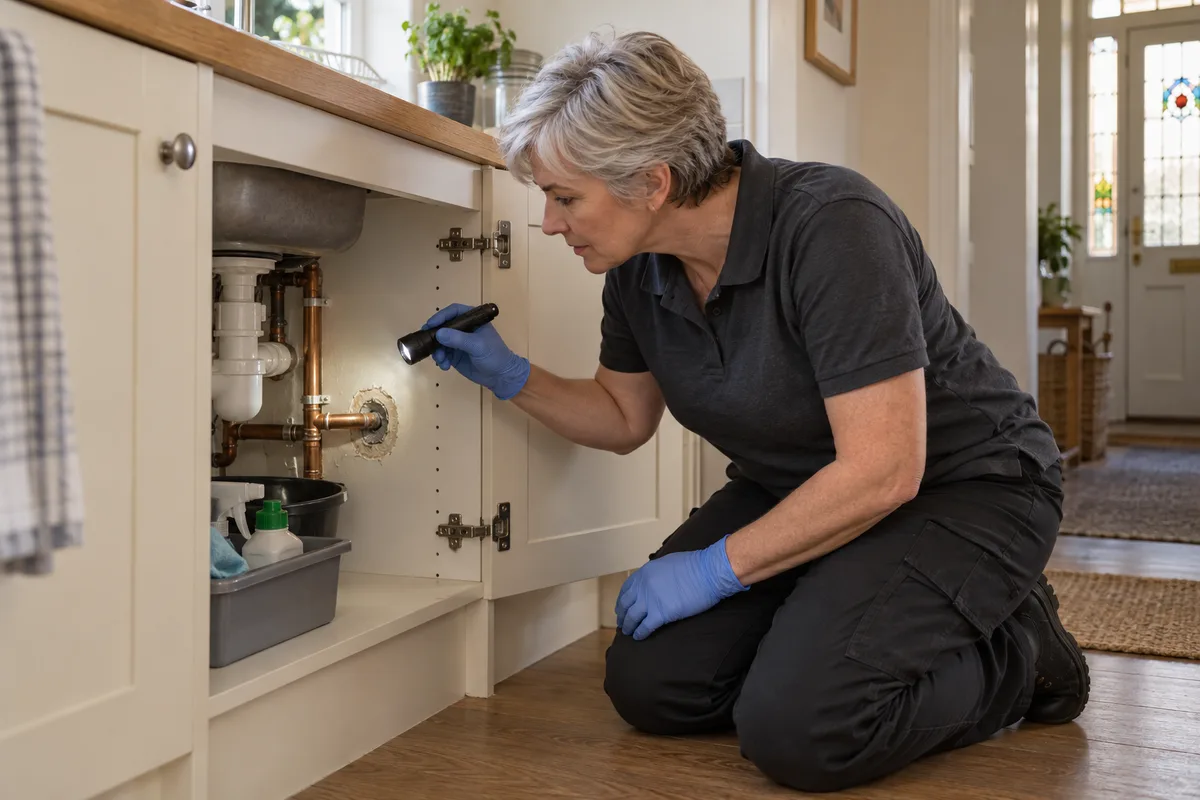
Plan the enquiry
Use a stockroom location that survives a shift change
Distinguish insect evidence from storage damage
Do not lose the route through moved stock
Arrange equipment access through the right people
Use a stockroom location that survives a shift change
Shelf numbers, aisle positions and fixed features make a report usable when the person who noticed the sign is off duty. Record the date, type of observation and any photograph with its location. Avoid a general description of insects among boxes when stock has already been moved elsewhere. Include whether the finding was on packaging, the shelf surface or nearby equipment; these details help direct assessment.
In Shepherd’s Bush, the council publishes guidance for a particular Uxbridge Road shopping parade within its conservation area. This is a reminder to check the actual shop before exterior alterations, not a basis for general claims about its pests. For the booking, the provider needs your premises layout and stockroom access rather than assumptions about retail activity across the district.
Distinguish insect evidence from storage damage
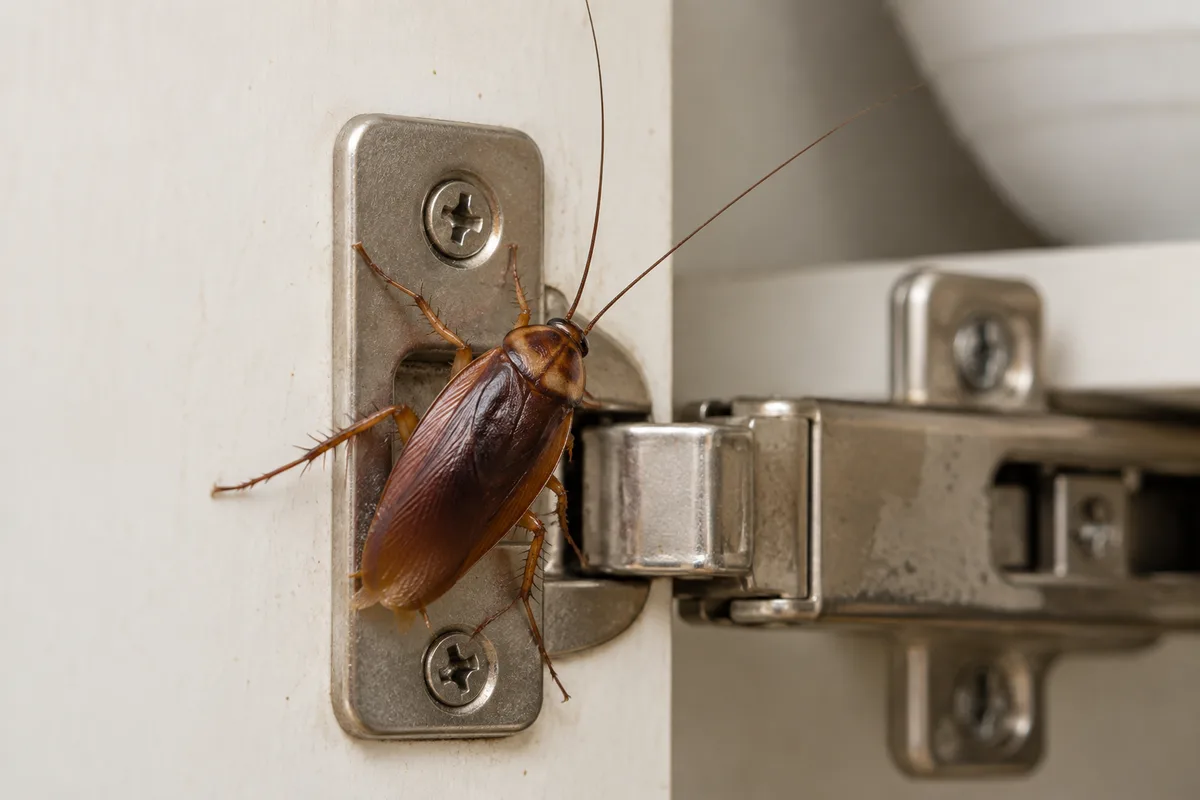
A damaged carton might result from handling, while an identifiable insect raises another question. Photograph what is visible without declaring a species from a rough resemblance. The cockroach assessment guide explains why appliance areas, recurring sightings and identification matter. An insect beside a display fridge should not prompt staff to spray the motor housing or nearby electrical connections.
Where food stock may be affected, involve the person responsible for the business’s food-safety procedures. Follow the established handling decisions rather than returning an item to use simply because a visible insect has been removed. Keep the pest record linked to the affected location while preserving the separate stock decision. The provider assesses the pest concern; the manager still needs a traceable account of what happened to the goods.
Do not lose the route through moved stock
Clearing a shelf can improve access, but record where items originally stood before reorganising them. Explain if suspect cartons have passed through other storage areas. This information helps the provider decide which locations warrant inspection without assuming every place along the route is affected. Do not transfer goods between occupied premises merely to clear the room for an appointment.
For chewed packets or an animal sighting, read the stockroom mouse inspection advice and create a separate entry. Include fresh observations rather than recycling an old photograph as current evidence. The booking should explain whether insects, rodents or both are being reported, so the proposed assessment can match the actual enquiry.
Arrange equipment access through the right people
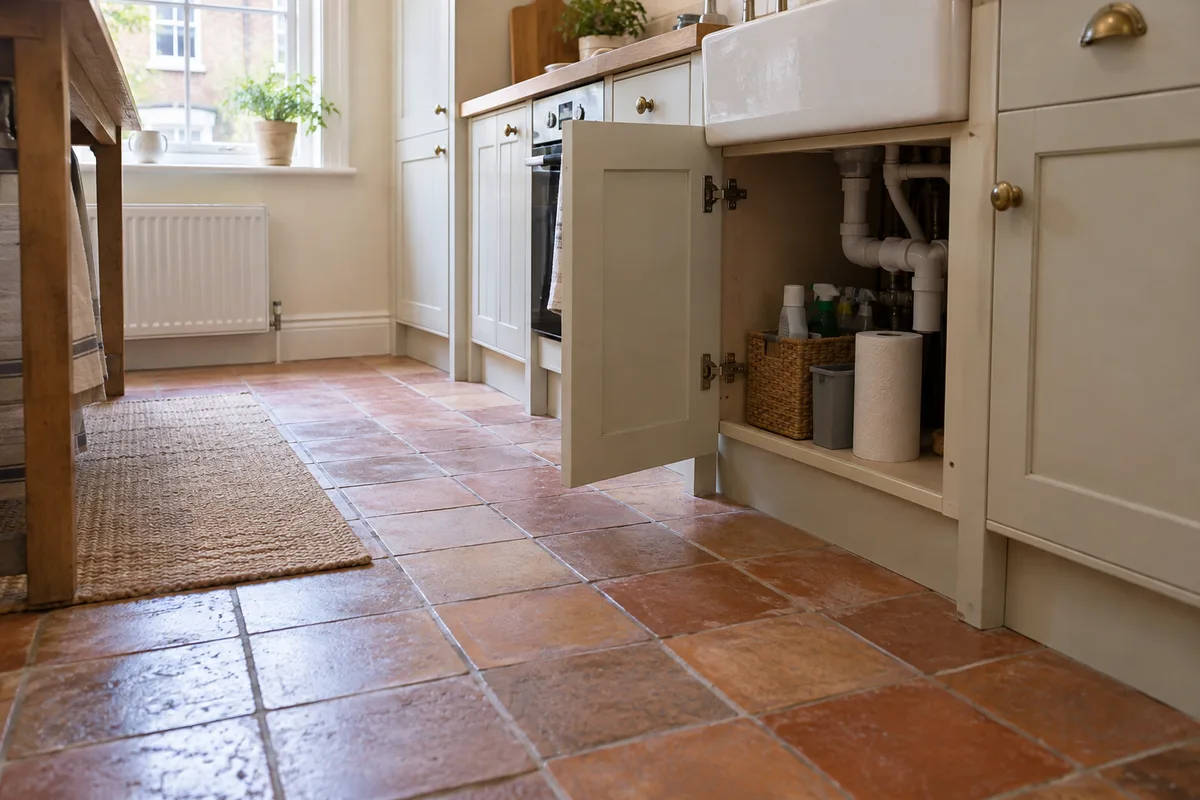
A display fridge can be heavy, connected and difficult to move without damaging fittings. Tell the provider which equipment is fixed and who is authorised to handle it. If a maintenance contractor is needed, coordinate the visit instead of expecting a shop assistant to create access by pulling equipment away from the wall. Ordinary loose storage can be moved under the agreed preparation plan where safe.
Give the inspector useful access times around deliveries and trading. An empty shop still needs someone who knows where the findings were made. Check security arrangements, the service entrance and who can approve the quoted work. If inspection cannot reach a relevant location, have the limitation documented with a practical next step rather than assuming that space has been ruled out.
Make prevention specific to the inspected shop
After assessment, a storage recommendation should name the location or practice needing attention. Closing open packets, addressing a damaged door and repairing a service opening are different tasks. The proofing information helps distinguish suitable repair from general tidying. A maintenance specification needs the relevant opening and building function, including anything that must remain ventilated or accessible.
Assign each action to the person who can complete it. Keep permission for exterior work separate from the treatment approval and check the property’s requirements with the owner. Do not tell staff that a room has been pest-proofed because a few gaps were cosmetically covered. The record should say what was done, what was inspected and what still requires access or competent repair.

Keep the review connected to real observations
New signs should be logged using the original shelf and equipment references. Note deliveries, reorganised stock and repairs that change the inspection context. A programme review can then consider whether findings continue at the same location or whether a new question has appeared. Staff should know who receives reports rather than each contacting a different provider independently.
For an urgent Shepherd’s Bush enquiry, call with the postcode, current finding and access window ready. Explain any stock or operational decision that needs timely assessment, and confirm availability. A helpful visit produces findings and instructions the next shift can follow. It should not leave the manager guessing whether the equipment space, moved stock and shared corridor were genuinely included in the assessment.
Questions about pest control in Shepherd’s Bush
How should shelf findings be recorded?
Use a fixed reference, date and clear photograph showing the location where possible.
Should staff spray behind a fridge?
Do not apply products to equipment or electrical areas without appropriate professional instructions.
Can stock be moved to another room?
Discuss handling and preparation before relocation, and keep original locations recorded.
Who moves heavy display equipment?
Arrange someone competent and authorised; do not assume ordinary staff or the inspection scope cover it.
What belongs in the shift handover?
Finding locations, preparation, relevant precautions and the nominated reporting contact.