
Pest Control Kensington
An inspection should be clear about what can be assessed without opening the building. Explain fixed features and permissions so property care and evidence gathering can work together.
Start with visible signs and room context
Identify fixed features before preparation
Agree further access rather than dismantling first
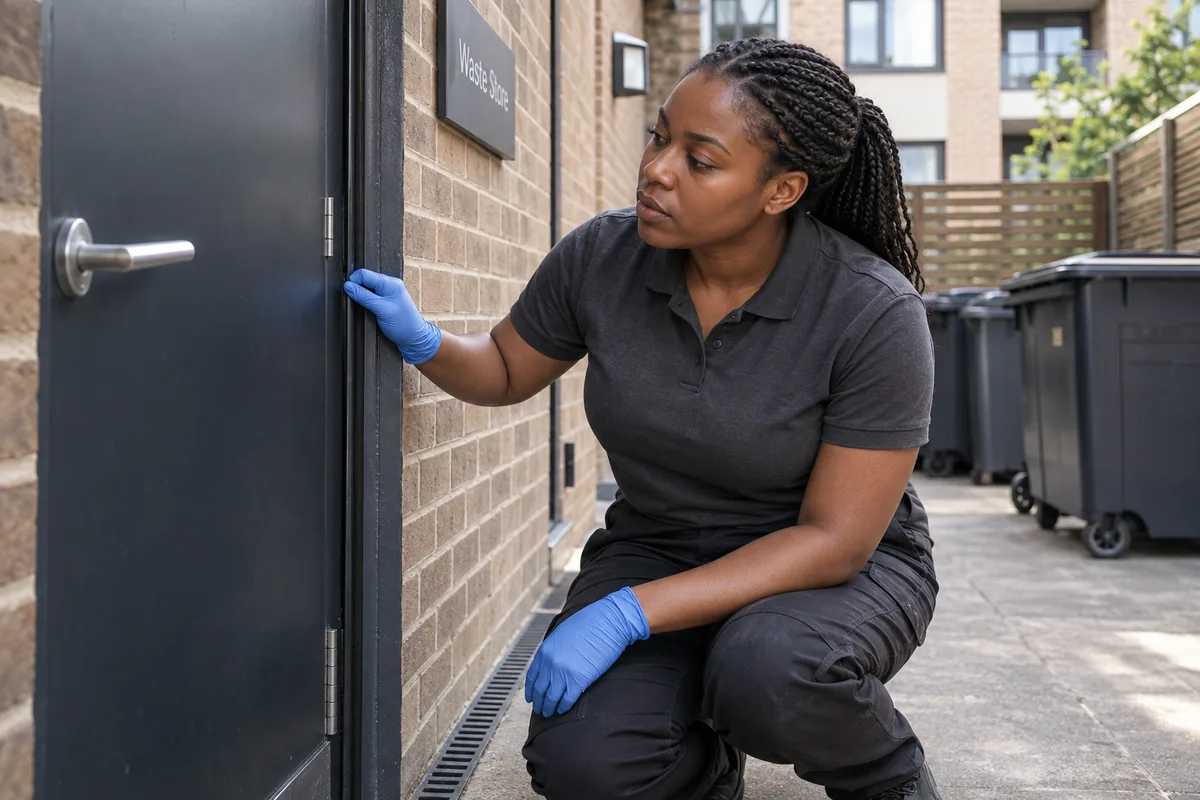
Begin with a non-invasive evidence record
Photograph the sign where it can be seen safely, including enough of the room to locate it. A close-up can support identification; a wider view shows the relevant cupboard, wall edge or piece of furniture. Note the date and whether there have been repeated observations. Do not remove fittings simply because a photograph cannot show what lies behind them. The provider can start by assessing the evidence and available access.
In a Kensington home, explain the actual room arrangement and features affecting inspection. Fitted joinery, fragile finishes and a locked service area are practical constraints, not proof that pests occupy concealed spaces. The booking record should identify them early. This allows an assessment to be planned realistically without creating an expectation that every inaccessible point will be opened during the first visit.
Separate the pest decision from an access decision
For a mouse report, the inspection and treatment information helps organise sightings, fresh signs and possible routes. The provider should explain what the available evidence supports and which questions need more access. A visible opening may be worth assessing, but its existence is not a complete explanation of activity. Likewise, a sound behind a wall cannot settle species on its own.
An insect around equipment or a bed needs its own identification. Our cockroach inspection advice covers kitchen-focused enquiries, while the bedroom assessment guide discusses beds and surrounding furniture. Select the relevant enquiry from the findings rather than requesting a general treatment of all concealed areas because access is difficult.
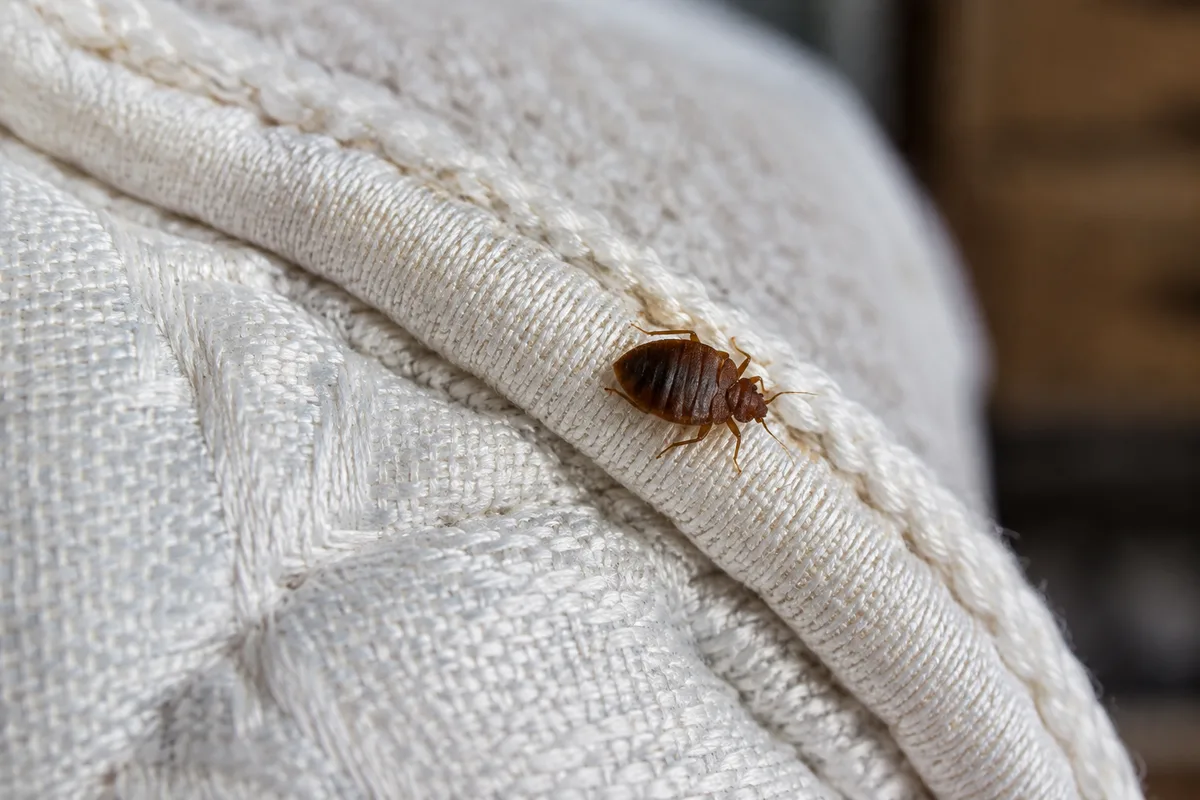
Explain what can be moved and who may move it
Loose storage can sometimes be cleared under the agreed instructions. Connected appliances and fixed cabinetry need a different decision. Identify the authorised person or competent contractor who can help if the inspection genuinely requires that access. A request to prepare a room should not leave an occupant disconnecting equipment or damaging a finish in an attempt to be helpful.
Tell the provider if a valuable item, heavy furniture or a managed room cannot be moved or entered. Ask what assessment remains possible and have its limits recorded. Further access may be worthwhile, but it should answer a named question. This is more useful than opening several areas speculatively and then discovering that the original sign was not the pest everybody assumed.
Use the local reporting route where relevant
The Royal Borough advises residents in rented accommodation to contact their landlord or managing agent first about pest problems. If this applies to you, give that contact the dated location record and ask who can approve inspection and any repair. A private booking should not leave both parties assuming the other has authorised building work.
This guidance does not mean all Kensington homes have the same management arrangement or that a particular treatment will be funded. Clarify your own situation before committing to work. The provider needs a practical authorisation contact and scope; any wider tenancy question can be addressed through the appropriate route with the findings available. Keeping these decisions distinct helps avoid a repair request disappearing behind an unconfirmed treatment appointment.
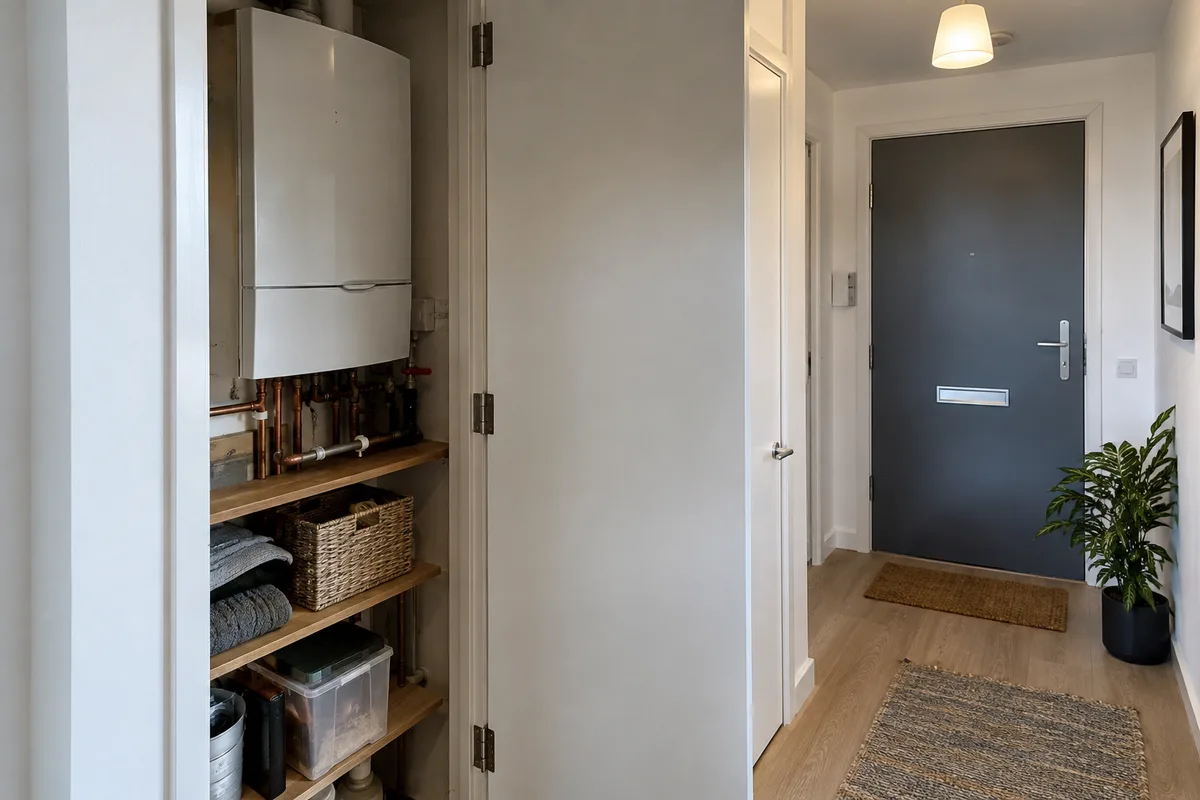
Only commission invasive work for a defined reason
The proofing planning guide explains why a repair recommendation should specify location, purpose and suitable building considerations. Ask what further opening or panel removal would establish, and who should undertake it. The decision should account for services, ventilation and other requirements rather than treating every gap as a place for the same material.
If property restrictions apply to the proposed alteration, the owner needs to check them before proceeding. Preserve the initial photograph and record what is exposed during authorised work. A maintenance contractor can then supply useful information to the provider. Avoid describing the whole property as proofed when the completed work addressed only one assessed point.
Make the inspection report usable later
Retain the findings, inaccessible locations and any agreed next step together. A subsequent provider or manager should be able to see which evidence was assessed and which spaces remain uncertain. Include completed access or repair work with dates. This record prevents a later invoice from being interpreted as proof that every concealed feature was checked.
Before arranging a Kensington visit, collect the postcode, affected room, original observations and practical restrictions. Discuss the scope that can be meaningfully assessed. If the enquiry is urgent, state the current impact alongside the evidence. A useful outcome is a proportionate decision with clear limits and instructions, preserving the building while giving the next investigation a specific purpose instead of an invitation to dismantle indiscriminately.
Questions about pest control in Kensington
Must fixed cabinetry be removed before inspection?
Not automatically. Agree the assessment and any competent access needed.
What helps when the sign is in a fragile area?
A safe close-up plus room context, with the access restriction clearly explained.
Who should a renter contact first?
The Royal Borough advises contacting the landlord or managing agent about the pest problem.
Can one inspected opening certify the whole home?
No. Keep the actual assessed scope and inaccessible areas clear.
When is further opening-up useful?
When it addresses an identified inspection question and is authorised and competently arranged.